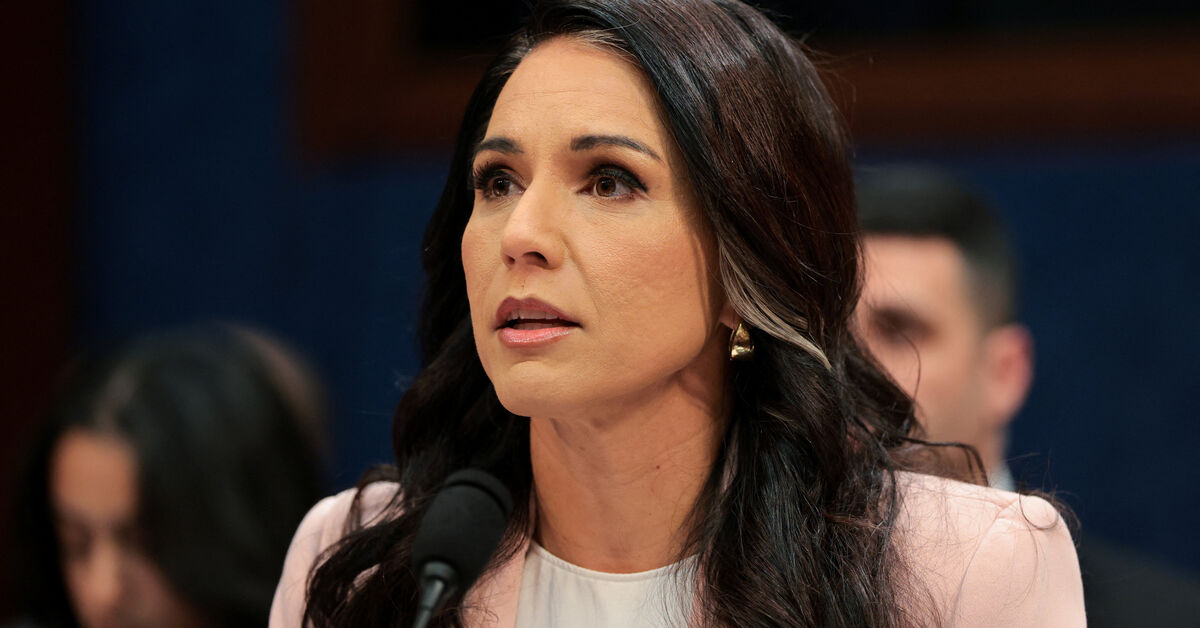
In a controversial statement, U.S. President Donald Trump confirmed on Sunday that there are clear differences in viewpoints between him and some of his aides regarding how to handle the Iranian nuclear program. Trump described the National Intelligence Director, Tulsi Gabbard, as 'more lenient' in her stance towards Iran, reflecting a divergence in strategies within the U.S. administration.
Trump's remarks came during a flight on Air Force One, where he expressed optimism about the possibility of reaching an agreement with Iran to curb its nuclear ambitions. When asked about his confidence in Gabbard, he replied, 'Yes, definitely,' indicating that he still trusts her capabilities despite the differences in opinion.
Details of the Event
These statements come at a sensitive time, as Iran continues to develop its nuclear program amid increasing international concerns. Trump, who withdrew from the Iranian nuclear deal in 2018, is seeking new strategies to pressure Tehran. In this context, Gabbard, who took office in 2021, appears to adopt a more diplomatic approach, raising questions about the future directions of U.S. policy.
The differences between Trump and Gabbard may also reflect a broader conflict within the Republican Party regarding how to deal with Iran, as some members adopt more hardline stances while others prefer dialogue and diplomacy.
Background & Context
Historically, relations between the United States and Iran have been tense since the Iranian Revolution in 1979. These relations have seen many fluctuations, ranging from economic sanctions to military threats. In 2015, the nuclear deal was reached, aiming to reduce Iran's capacity to develop nuclear weapons in exchange for easing sanctions, but Trump's withdrawal from the agreement reset relations to square one.
The Trump administration is currently seeking to reimpose pressure on Iran, but there appears to be a division of opinions on how to achieve this. Gabbard, considered a prominent figure in American politics, may have different visions than Trump, adding a new dimension to the discussion on U.S. foreign policy towards Iran.
Impact & Consequences
The differences in viewpoints between Trump and Gabbard could significantly affect U.S. foreign policy. If these divisions persist, they may lead to inconsistencies in the strategies employed, weakening the United States' position in negotiations with Iran. Additionally, the presence of figures like Gabbard in high positions may indicate a potential shift in U.S. policy towards more diplomacy.
On the other hand, these differences could increase tensions within the Republican Party, as members seek to establish a unified stance towards Iran. This could impact upcoming elections, where foreign policy may become a key issue influencing voters.
Regional Significance
U.S.-Iranian relations are a central focus in Middle Eastern politics, affecting many Arab countries. Amid rising tensions, Arab nations may find themselves in a difficult position, needing to balance their relationships with the United States against their concerns about Iranian expansion in the region.
If the United States can reach an agreement with Iran, it could lead to a de-escalation of tensions in the region; however, if conflicts persist, crises may escalate in countries like Iraq, Syria, and Lebanon. Therefore, developments in Washington have direct implications for security and stability in the Arab world.
Trump's comments about Gabbard reflect the complexities of U.S. policy towards Iran and highlight internal divisions that may influence future strategies. Under these circumstances, the situation in the Middle East remains complicated and requires careful monitoring by all parties involved.