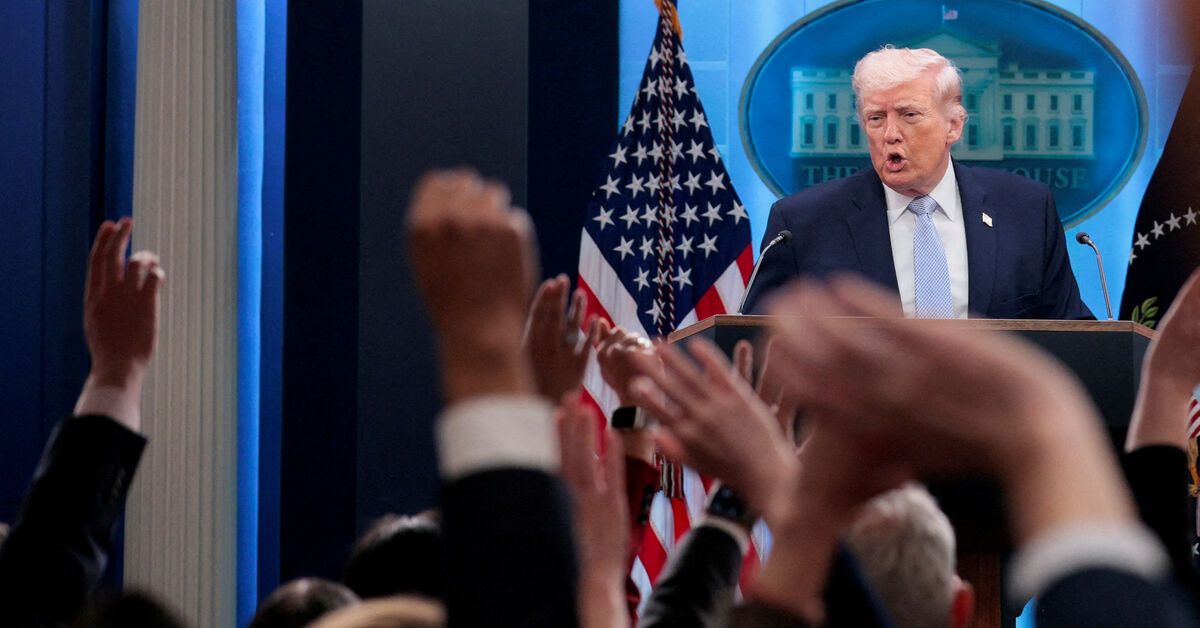
In a controversial move, U.S. President Donald Trump announced on Wednesday a 50% tariff on any country that supplies arms to Iran. This announcement was made via a social media post and signifies a hardening of U.S. policy towards Tehran. The decision comes just one day after a ceasefire agreement was reached for two weeks between the United States and Iran, raising questions about the intentions of the U.S. administration in dealing with the Iranian issue.
The new tariffs will be applied without any exceptions, meaning that all countries engaging in arms dealings with Iran will face direct economic repercussions. This decision reflects Trump's tough stance on Iran, which includes imposing strict economic sanctions on Tehran in an effort to curb its military and regional activities.
Details of the Announcement
As the U.S. administration seeks to reduce Iran's influence in the region, this decision is part of a broader strategy aimed at isolating Tehran from its allies. Trump emphasized in his statements that these tariffs will help protect U.S. interests and enhance national security.
It is noteworthy that relations between the United States and Iran have seen increasing tensions in recent years, particularly following Washington's withdrawal from the nuclear agreement in 2018. This new decision could complicate the situation in the region further, as affected countries may respond to these tariffs by imposing similar measures.
Background & Context
Historically, U.S.-Iran relations have been strained since the Iranian Revolution in 1979. Since then, the United States has imposed a series of economic sanctions on Iran, significantly impacting its economy. These sanctions were aimed at reducing Iran's ability to finance its military and terrorist activities in the region.
In recent years, Iran has increased its support for militias in Iraq, Syria, and Lebanon, raising concerns among neighboring countries and the United States. This escalation in Iranian military activities has prompted the U.S. administration to take more decisive actions, such as the imposition of the new tariffs.
Impact & Consequences
The implications of this decision could be far-reaching, as the tariffs are likely to affect trade relations between the United States and the arms-supplying countries. Nations that rely on exporting arms to Iran may face significant economic losses, potentially prompting them to reassess their relationships with Tehran.
Moreover, this decision could lead to heightened military tensions in the region, as Iran may feel compelled to respond to these measures. Such escalation could threaten stability in the Middle East and increase the likelihood of new conflicts erupting.
Regional Significance
For Arab countries, this decision may have direct implications for regional security. Countries involved in military coalitions against Iran may view this decision as an opportunity to strengthen their position. Conversely, nations with trade ties to Iran may be concerned about the economic repercussions of these tariffs.
This decision could also affect peace efforts in the region, as it may complicate negotiations among various parties. In light of these developments, Arab nations need to be cautious in their dealings with these changes and seek ways to cooperate in addressing new challenges.
In conclusion, Trump's decision to impose tariffs on countries supplying arms to Iran represents a new step in escalating tensions between the United States and Iran. This decision could have significant repercussions for regional and international security, necessitating close monitoring by the international community.