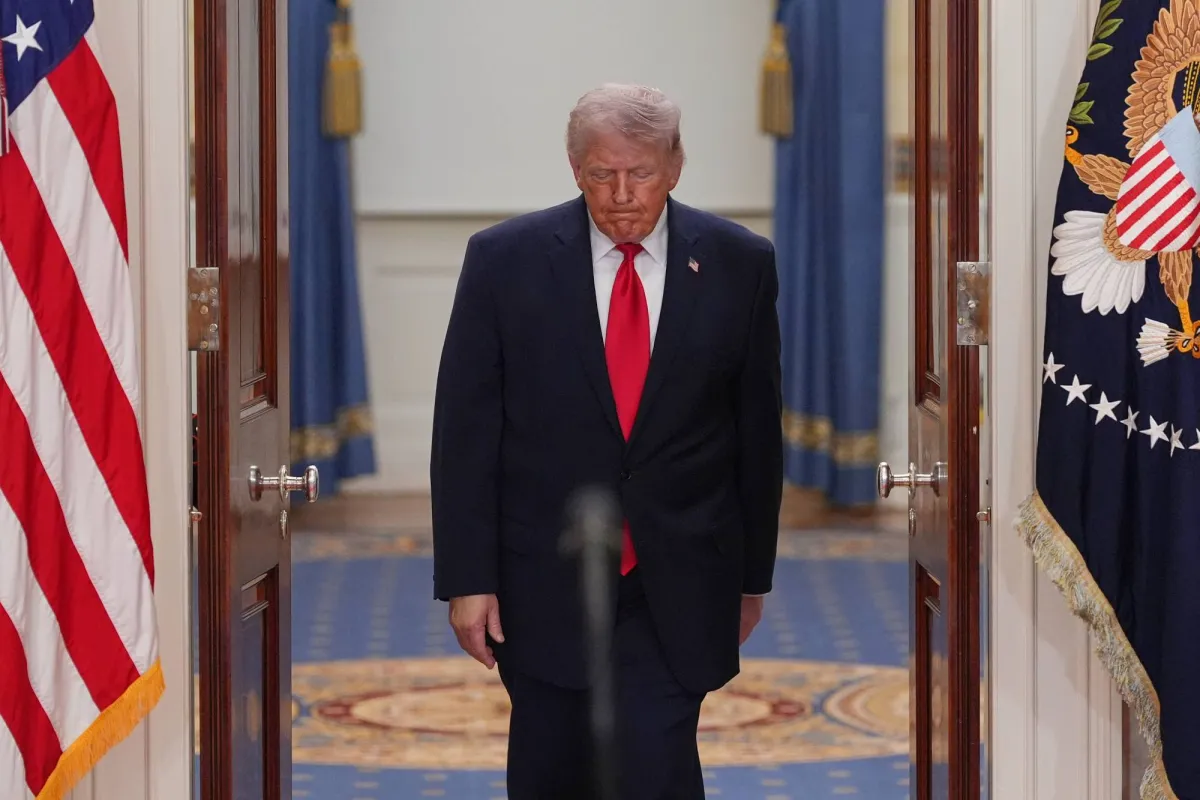
U.S. President Donald Trump has issued instructions to impose a 100% tariff on certain brand-name drug imports, in addition to restructuring tariffs on steel, aluminum, and copper products. These measures are part of the Trump administration's efforts to overcome the significant decline in global tariffs that was announced a year ago.
The new tariff package aims to restore tariffs that were annulled by the Supreme Court last February, but it has faced criticism from some business groups warning of potential cost increases at a time when energy prices are rising due to the conflict with Iran.
Details of the Announcement
In a new announcement revealing the results of a national security investigation into drug imports, Trump confirmed that foreign companies manufacturing patented products must agree with the U.S. government to lower the prices of prescribed drugs and commit to relocating production to the United States. According to an administration official, these companies must do both to avoid the tariffs entirely, while they will face a 20% tariff if they only relocate part of their manufacturing operations to the U.S. Companies that do neither will face a 100% tariff.
These tariffs will not apply to drug imports from all countries, as tariffs on brand-name drugs will be set at 15% under trade agreements with the European Union, Japan, South Korea, and Switzerland. The United States and the United Kingdom have also terminated a separate tariff agreement on drugs, which guaranteed that no tariffs would be imposed on British drugs for at least three years.
The administration official indicated that large companies will have 120 days to comply before the 100% tariffs take effect, while small businesses will receive 180 days.
Background & Context
In a related context, Trump announced a reduction in tariffs on many products derived from steel, aluminum, and copper to 25%, while completely eliminating tariffs on products with minimal metal content. However, a 50% tariff will remain in place on imports of basic goods made from metals, and this rate will apply to the selling price in the United States rather than the declared import value, which has often been artificially low.
These changes aim to simplify a complex system that has confused importers in determining the metal content value for thousands of derived products, ranging from tractor parts to railway equipment. Products with less than 15% metal content by weight will also be exempt from tariffs.
Impact & Consequences
These changes come on the first anniversary of Trump's announcement of tariffs ranging from 10% to 50% on imports from all trading partners, leading to a series of retaliatory responses from China and legal challenges from importers. The U.S. Supreme Court issued a ruling last February declaring the existing tariffs based on the International Emergency Economic Powers Act illegal, prompting government agencies to devise a plan to recover about $166 billion in tariffs collected over the year.
U.S. Trade Representative Jameson Greer defended the tariffs, stating that they represent a "reset button" for the broken global trading system. He emphasized that these tariffs have prompted companies to build new factories in the United States and forced trading partners to make concessions for American exports.
Regional Significance
These decisions impact global markets, including Arab markets, where increased tariffs on drugs may lead to higher drug prices in importing Arab countries. Additionally, the restructuring of metal tariffs may affect the cost of raw materials used in many industries in the region.
In light of these changes, Arab countries must consider new strategies to address the economic challenges posed by these U.S. policies.