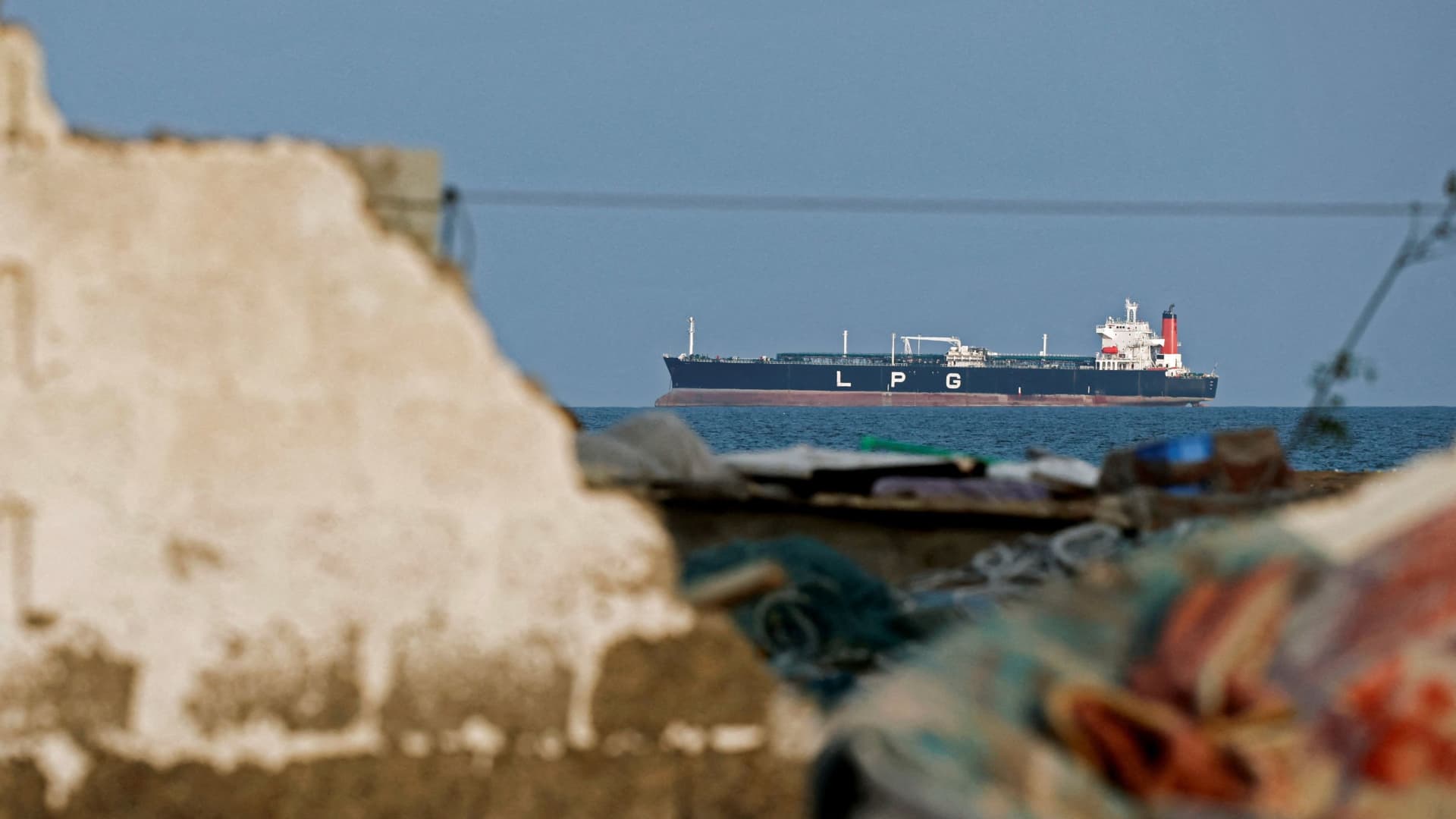
In a dramatic turn of events, U.S. President Donald Trump has issued a critical warning to Iran regarding the reopening of the Strait of Hormuz. This warning comes at a highly sensitive time, as Trump set a deadline for 7:55 PM ET, threatening to 'obliterate' Iranian power stations if Tehran fails to comply with his demands.
Global markets reacted variably to the news, with some stocks declining while oil prices initially rose before reversing. These developments occur as the global economy is already under pressure due to regional conflicts and geopolitical tensions.
Details of the Warning
In an unprecedented alert, Trump threatened strict measures against Iran if it fails to take the necessary steps to reopen the Strait of Hormuz, one of the world's most critical maritime corridors for oil transport. Iran responded quickly, warning it would target U.S. infrastructure in the Gulf, including energy and desalination facilities, should Washington carry out its threats.
The Iranian parliament's speaker stated that financial entities supporting the budget of U.S. armed forces are legitimate targets, confirming the escalation of tensions and the worsening conflict. It is noted that approximately 20% of global oil exports pass through the Strait of Hormuz.
Background & Context
Relations between the United States and Iran have been significantly strained since the Trump administration withdrew from the Iranian nuclear deal in 2018. Since then, Washington has imposed stringent sanctions on Tehran, resulting in a deteriorating Iranian economic situation and increased military tension in the region.
The Strait of Hormuz is a critically strategic point. In recent years, there has been a rise in incidents related to maritime transport, including attacks on oil tankers, which have recalled the risks of military conflicts in a region characterized by complex geopolitics.
Impact & Consequences
If Trump’s threat is carried out, it could lead to a military escalation in the region, affecting global oil prices and potentially triggering another economic crisis. Financial markets are under pressure due to the instability, with oil prices having initially risen only to decline later, contributing to uncertainty among investors.
There may also be significant political ramifications for decision-making in Washington and among allies in the region, necessitating a reevaluation of diplomatic and security relations in the Gulf.
Regional Significance
The mutual exchanges between Trump and Tehran could have a direct impact on the Arab Gulf states, which heavily rely on the stability of the Strait of Hormuz. U.S. escalation could turn Iran's attention towards the Gulf Cooperation Council countries, heightening tensions.
Arab nations must be prepared to face potential fallout by enhancing strategic coordination to address any possible escalation in the region and ensure the security of their maritime passages. These developments are concerning, and as we await what unfolds in the coming hours, close monitoring of the events is crucial.