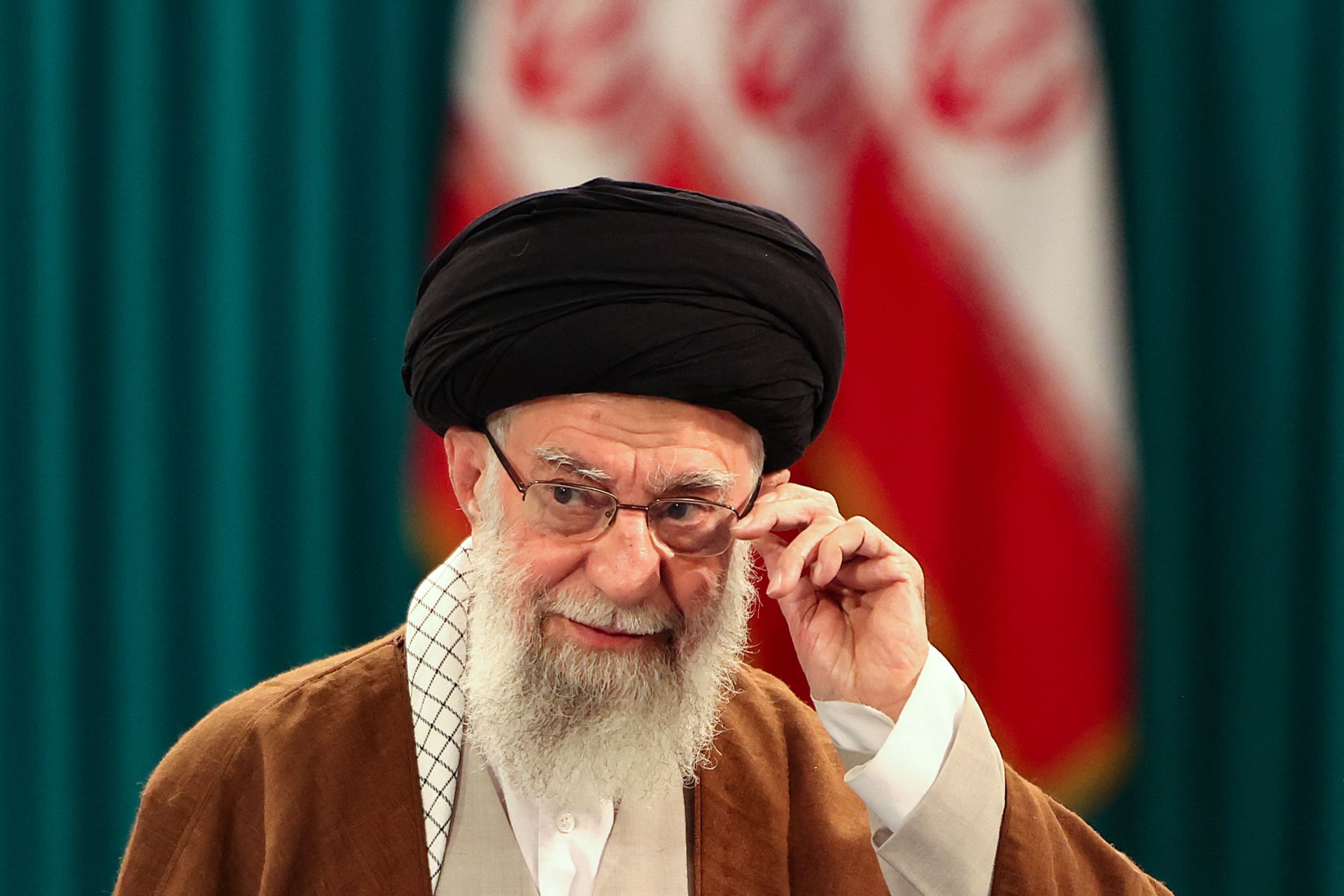
Former U.S. President Donald Trump declared that he does not view the son of Iranian Supreme Leader Ali Khamenei as a leader of Iran, indicating a lack of trust in the current leadership of the regime. These remarks were made during a press conference where he outlined his perspective on the political processes in Iran.
This statement is part of the ongoing tension between Washington and Tehran, as the Trump administration emphasized a policy of maximum pressure on the Iranian regime, seeking substantial changes in Tehran's regional and international policies.
Details of the Statement
In leaked remarks, Trump mentioned that Khamenei's son is incapable of effectively leading the country, pointing out that the Iranian regime lacks any practical direction towards improving the living conditions of the Iranian people. Trump affirmed that he does not see any qualities in Khamenei's son that could lead him to a pioneering role in Iranian politics.
These comments come at a time when U.S.-Iranian relations are experiencing escalating tensions due to nuclear issues, Iran's support for armed groups in the region, and economic sanctions.
Background & Context
Since taking office in 2016, Trump's administration has pursued a strict policy towards Iran, withdrawing from the 2015 nuclear agreement. His administration has demonstrated a lack of confidence in the Iranian regime, emphasizing the need for changes in its aggressive behaviors in the region. Trump's statements are part of a strategy aimed at pressuring the Iranian regime to implement internal reforms.
Conversely, analysts have warned that such statements could complicate the situation in the region, especially with the ongoing tensions between Iran and the United States and its advancements in nuclear programs.
Impact & Consequences
Trump's statements carry multiple implications; they reflect the United States' disbelief in the existence of effective leadership in Iran, which could exacerbate the Iranian regime's international isolation. Additionally, these remarks may influence U.S. foreign policy regarding alliances, as the United States tends to strengthen its relations with Gulf Arab states facing threats from Tehran.
It is not unlikely that these political analyses will affect U.S. economic decisions, particularly those related to sanctions imposed on the Iranian oil sector, which contribute to weakening Iran's power in the global energy market.
Regional Significance
Trump's remarks directly impact the situation in the Middle East, where Arab countries are striving to find a balance in regional relations amid tensions with Iran. Many countries in the region believe that Washington's rapprochement with Riyadh and Tel Aviv could hinder Tehran's influence.
Ultimately, a significant question remains regarding the impact of the young leadership in Iran, especially after discussions about the possibility of genuine internal changes, which would have substantial repercussions for the entire region.