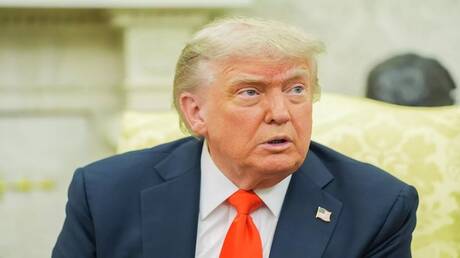
In a controversial statement, U.S. President Donald Trump referred to the Strait of Hormuz as 'Trump Strait', highlighting its vital importance amid rising regional tensions. This remark comes at a sensitive time for the region, which is experiencing increasing conflicts.
The Strait of Hormuz, one of the world's most critical maritime passages, sees approximately 20% of the world's total oil supply transit through it. This strait has become a major focal point in disputes among major powers, underscoring the strategic importance of controlling it in the context of military strategies.
Details of the Event
During a press conference, Trump used a mocking tone to refer to the Strait of Hormuz, which elicited mixed reactions from observers and analysts. Some considered these remarks as a reflection of the United States' desire to strengthen its influence in the region, while others viewed them as a mockery of the significance of this vital passage.
Trump did not stop at renaming the strait; he also hinted at the possibility of controlling it as part of his strategy to resolve conflicts in the region. This statement comes at a time when tensions between the United States and Iran are escalating, with both countries exchanging accusations regarding security threats in the area.
Background & Context
The Strait of Hormuz has a long history of conflicts and disputes. In recent years, the region has witnessed an escalation in tensions between Iran and the United States, particularly following Washington's withdrawal from the Iranian nuclear deal in 2018. Since then, the United States has increased its military presence in the region, leading to heightened tensions.
In past years, oil tankers have been targeted in the Strait of Hormuz, raising international concerns about the security of oil shipments. These incidents have served as warnings about the risks that global trade could face if the situation worsens.
Impact & Consequences
Trump's statements could lead to increased tensions in the region and may provoke reactions from Iran, which considers the Strait of Hormuz part of its sovereignty. Additionally, these remarks could impact global oil prices, as many countries rely on oil supplies through this strait.
The escalation in rhetoric may also affect relations between the United States and its allies in the region, with some allies potentially feeling uneasy about Trump's policies that could lead to further instability.
Regional Significance
Trump's remarks regarding the Strait of Hormuz carry significant implications for Arab countries, especially those that depend on oil as a primary source of revenue. Any escalation in conflict could directly impact Arab economies, prompting these nations to take proactive steps to protect their interests.
Moreover, these statements may bolster the position of other regional powers, such as Iran, which could leverage Trump's comments to reinforce its stance in the region. Under these circumstances, Arab countries must enhance cooperation among themselves to face the increasing challenges.
In conclusion, Trump's statements about the Strait of Hormuz remain a focal point of interest, reflecting the rising tensions in the region and highlighting the importance of this vital passage in global politics.