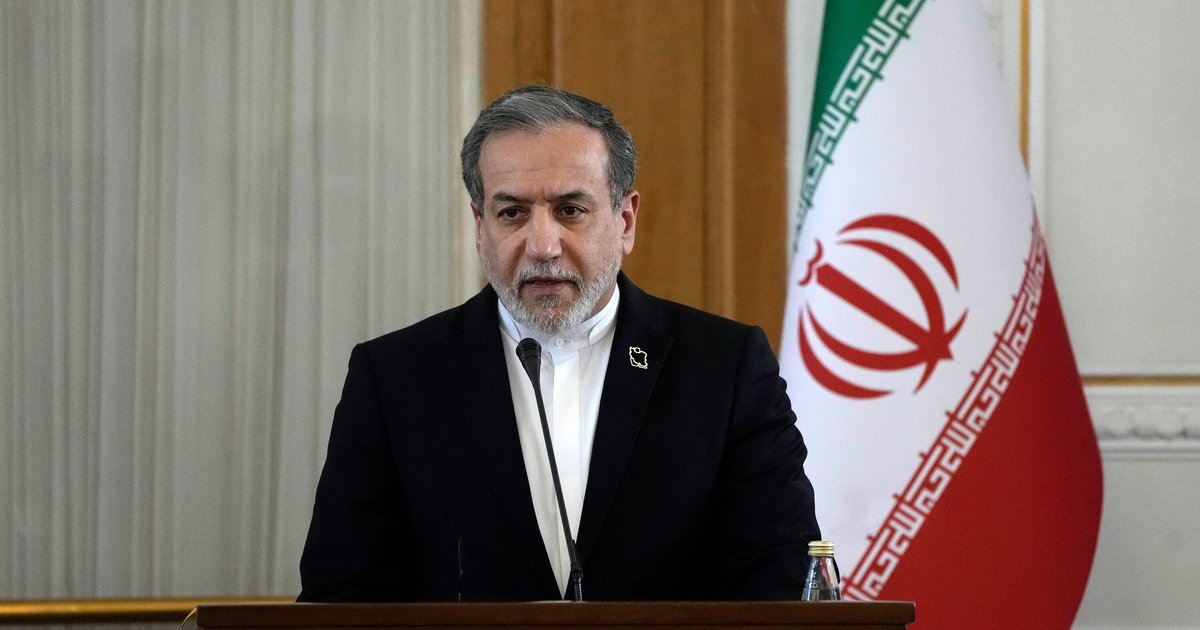
Attention is focused on the negotiations led by former U.S. President Donald Trump with Iran, revealing new details about the parties involved in these talks. This comes at a time of increasing tensions between Washington and Tehran.
The current negotiations involve a number of prominent figures, including former advisors and negotiators from both sides, indicating that Trump is seeking to broaden the dialogue with Tehran. Reports have shown that these negotiations may cover multiple issues, ranging from the Iranian nuclear program to other regional issues affecting security in the Middle East.
Details of the Negotiations
The Trump administration is aiming to rebuild relations with Iran after years of sanctions and pressure. Leaked information suggests that the negotiations focus on the possibility of returning to the nuclear agreement signed in 2015, from which the United States withdrew in 2018. There is also increasing interest from some European countries to play a role in these negotiations, which could complicate the landscape further.
The negotiations also include issues related to ballistic missiles and Iranian influence in the region, as the United States seeks to ensure that Iran does not use these capabilities to threaten its neighbors. It appears that there is a consensus among some parties on the need to find diplomatic solutions rather than military escalation.
Historical Context
Historically, U.S.-Iranian relations have experienced significant fluctuations since the Islamic Revolution in 1979. These tense relations have led to a series of conflicts and disputes in the region, including the conflicts in Iraq and Syria. In recent years, pressures on Iran have increased due to economic sanctions, prompting it to seek ways to negotiate with the United States.
Under these circumstances, Trump is looking to seize the opportunity to reshape U.S. foreign policy towards Iran, capitalizing on the current tensions. Some analysts have indicated that these negotiations could be an opportunity for Trump to demonstrate his ability to achieve diplomatic results, especially with the upcoming U.S. presidential elections.
Consequences and Implications
If the negotiations succeed, they could lead to a reduction in tensions in the region, which may positively reflect on the Iranian economy and reduce security risks. However, the failure of these negotiations could lead to a new escalation in the conflict, potentially affecting the stability of the Gulf Arab states and intensifying regional disputes.
These negotiations also serve as a test for relations between the United States and its allies in the region, as Arab countries may need to take clear positions on how to deal with Iran under any potential agreement. There are also concerns that these negotiations could lead to divisions within regional alliances.
Impact on the Arab Region
The negotiations between Trump and Iran are particularly significant for the Arab region, as any changes in U.S. policy towards Tehran could directly affect security and stability in countries like Iraq, Syria, and Lebanon. There is also concern that any agreement could grant Iran more influence in the region, potentially increasing tensions between Arab countries and Iran.
In conclusion, the negotiations between Trump and Iran remain a complex topic that requires close monitoring, as the outcomes could significantly impact the future of international relations in the Middle East.