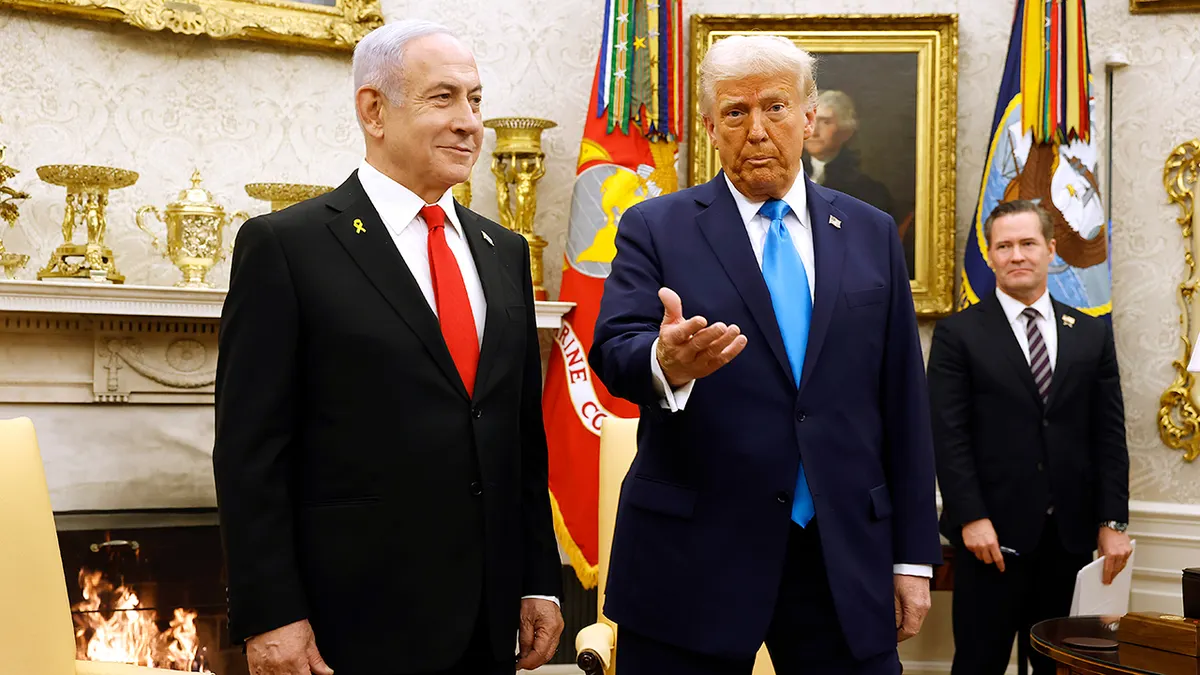
U.S. President Donald Trump delivered a speech in the early hours of April 2 regarding the ongoing war on Iran, which has now entered its fifth week. The much-anticipated address did not provide any significant new information, as it reiterated previous statements made by Trump and his administration.
The speech triggered negative reactions in financial and energy markets, which were the targets Trump aimed to calm. The U.S. President attempted to justify the war, something he should have done at the onset of military operations, asserting that the destruction of the Iranian regime was not the goal, but rather that the war had achieved its strategic objectives.
Details of the Event
In his speech, Trump indicated that attacks on Iran would continue for another two to three weeks, without specifying a deadline for ending the conflict. He also issued direct threats to the Iranian leadership, emphasizing that military escalation would persist unless an agreement meeting U.S. demands was reached.
On the other hand, Netanyahu, in a speech on March 31, sought to create an impression of victory, announcing the destruction of Iranian nuclear and military capabilities. However, Israeli statements raise questions about what has actually been achieved in terms of war objectives.
Background & Context
The roots of the conflict trace back to long-standing tensions between the United States and Iran, with Washington seeking to change the Iranian regime for an extended period. As tensions escalated, military operations commenced on February 28, leading to significant regional escalation.
The war, characterized by intense aerial bombardment, targeted numerous military and civilian sites in Iran, including weapons production facilities and factories. Reports have indicated that the attacks resulted in the destruction of many targets, including the assassination of several Iranian military and political leaders.
Impact & Consequences
Despite military achievements, the war has not met its political goals, as the U.S.-Israeli alliance has been unable to change the Iranian regime as planned. On the contrary, Iran has demonstrated resilience against the attacks and has continued to utilize its military power, including missile capabilities.
Concerns are growing that the continuation of the war could lead to greater escalation in the region, significantly affecting neighboring countries and complicating security and economic conditions.
Regional Significance
The war on Iran directly impacts security and stability in the Arab region, with rising fears of escalating tensions between Iran and Gulf states. Additionally, Iran-backed armed factions may increase their activity, heightening security challenges in Iraq, Syria, and Lebanon.
In conclusion, questions remain about the future of the war and whether the involved parties will be able to reach an agreement to end the conflict, or if military escalation will continue, leading to serious repercussions for the entire region.