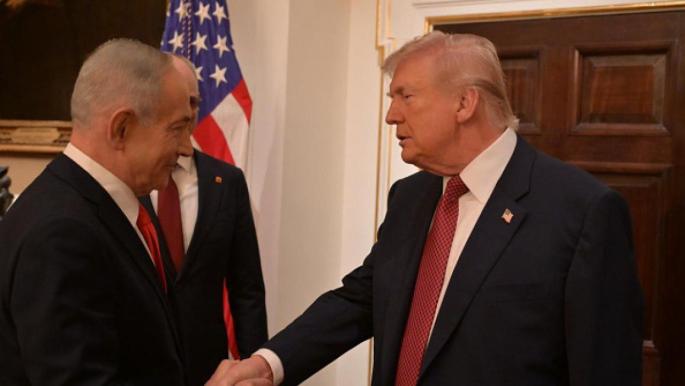
On Sunday, U.S. President Donald Trump denied any previous statements suggesting the end of military operations against Iran, indicating that the situation remains tense and requires further monitoring. In this context, Israeli Prime Minister Benjamin Netanyahu confirmed that the war is not over yet, reflecting the ongoing tensions in the region.
Trump's statements came at a sensitive time, as fears of a potential escalation in the ongoing conflict have increased. Netanyahu also indicated that Israel will continue its military operations until the specified objectives are achieved, reflecting the Israeli government's policy in dealing with security threats.
Details of the Event
During a press conference, Trump emphasized that the United States remains committed to closely monitoring the situation, and any future steps will depend on field developments. Meanwhile, Netanyahu pointed out that the military operations aim to protect Israeli national security, reflecting the Israeli government's strategy in addressing regional threats.
It is noteworthy that these statements come at a time when the Middle East is witnessing increasing tensions, with growing concerns about the escalation of the conflict between Iran and Israel, especially following recent mutual attacks in the region.
Background & Context
Historically, relations between the United States and Iran have seen increasing tensions, particularly after Washington's withdrawal from the nuclear agreement in 2018. This withdrawal led to a military escalation between the two parties, making the region more fragile. Additionally, Israel views Iran as an existential threat, prompting it to take preemptive military actions.
In recent years, Iran has increased its influence in the region by supporting armed groups in Iraq, Syria, and Lebanon, raising concerns for both Israel and the United States. These complex dynamics make it difficult to predict the course of future events.
Impact & Consequences
The recent statements from Trump and Netanyahu may lead to heightened tensions in the region, potentially encouraging further military operations. The continuation of military actions could also affect regional stability, leading to negative repercussions on the economy and markets in the Middle East.
Any escalation in the conflict could also impact relations between major powers, as other forces may intervene in the dispute, complicating the situation further. It is crucial to closely monitor developments, as any change in stance could affect regional and international security.
Regional Significance
The ongoing tensions between Iran and Israel continue to affect neighboring Arab countries, with many nations expressing concern over the escalation of the conflict. This concern is reflected in numerous official statements from Arab governments, calling for dialogue and the avoidance of escalation.
Any escalation in the conflict could lead to a flow of refugees and an increase in humanitarian crises in the region, necessitating an urgent response from the international community. The economic impact could also be significant, as tensions may affect oil prices and financial markets.
In conclusion, the situation in the Middle East remains complex and requires close monitoring by the international community. The recent statements from Trump and Netanyahu reflect the persistence of tensions, calling for diplomatic efforts to avoid any potential escalation.