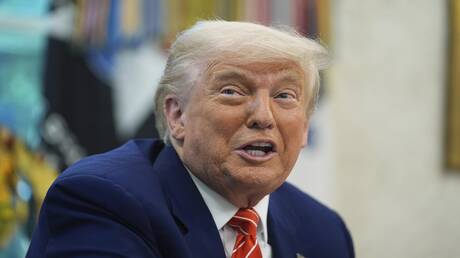
President Donald Trump's new budget reveals a radical shift in policy, featuring a historic increase in military spending alongside notable cuts to domestic programs. This budget, recently announced, reflects the new directions of the U.S. administration amid internal and external challenges.
The proposed budget includes an increase in defense spending of up to 10%, demonstrating Trump's commitment to enhancing the military capabilities of the United States. In contrast, significant cuts have been announced for social programs, including education and healthcare, raising concerns among many observers.
Details of the Budget Proposal
The new budget allocates $750 billion for military spending, the highest level ever reached in U.S. history. This decision comes at a time when the country is experiencing increasing tensions with nations such as China and Russia, making the enhancement of military strength a top priority for the current administration.
On the other hand, the budget cuts include reductions in funding for programs targeting vulnerable groups in society, such as food assistance and healthcare programs. These steps have drawn widespread criticism from Democrats and civil society organizations, which argue that these cuts will negatively impact the lives of millions of Americans.
Background & Context
Since taking office, Trump has pursued a policy that heavily focuses on strengthening military power, aligning with his vision of making America "stronger." In recent years, the United States has seen a notable increase in defense spending, with massive budgets allocated for weapon modernization and military technology development.
Conversely, there have been increasing calls from some politicians and analysts to reconsider budget priorities, especially in light of the economic and social challenges facing the country. This new budget may also reflect Trump's desire to bolster his electoral base by focusing on security and military issues.
Impact & Consequences
This new budget raises questions about the future of social programs in the United States and how the cuts will affect the most needy groups. These changes are expected to widen the social and economic gap in the country, which could negatively impact social stability.
Moreover, the increase in military spending may escalate tensions with other countries, potentially placing the United States in difficult positions on the international stage. This could also affect American relations with traditional allies, who may feel concerned about the rising military power of the United States.
Regional Significance
As the United States focuses on enhancing its military strength, this may have a direct impact on the Arab region. Increased military spending could mean more military interventions in ongoing conflicts, such as those in Syria and Libya.
Additionally, these policies may affect American relations with Arab countries, as some nations may feel anxious about the rising military power of the United States in the region, potentially leading to a reassessment of their strategic alliances.
In conclusion, Trump's new budget reflects a profound shift in his presidential strategy, focusing on military strength at the expense of social programs. This direction may spark widespread debate within the United States and impact international relations, particularly in the Arab region.