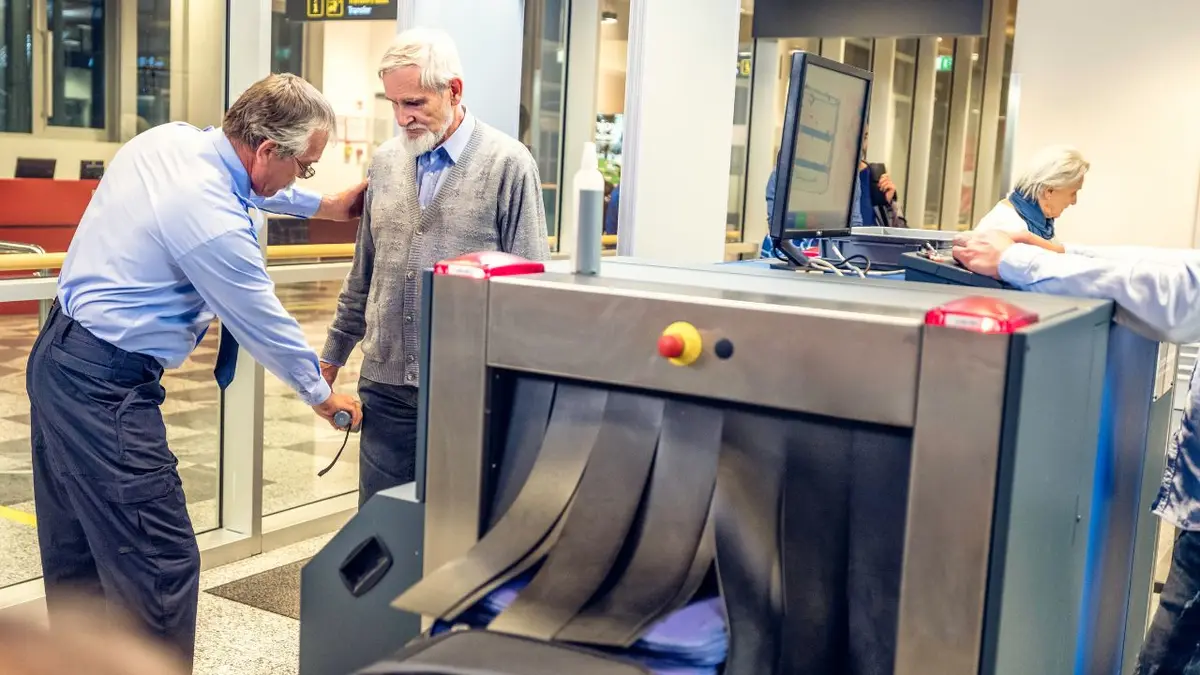
Former President Donald Trump has issued an order for the payment of dues for Transportation Security Administration (TSA) employees, which could lead to an improvement in the situation at U.S. airports, where security lines are experiencing severe congestion. This decision comes at a time when the number of travelers is rising with the holiday season approaching, increasing pressure on airport security services.
The TSA is responsible for securing airports and flights in the United States, employing thousands of personnel who handle inspection and security procedures. As air travel increases, these employees face mounting pressures, leading to delays in security processes.
Details of the Order
Trump's order to pay TSA employees' dues is part of the previous administration's efforts to enhance air transport services. Trump indicated that this decision aims to boost employee morale and motivate them to provide better services to travelers. It is expected that this order will reduce wait times in security lines, which is crucial for travelers who suffer from frequent delays.
In recent years, U.S. airports have seen unprecedented congestion, especially during peak periods like holidays. Reports have shown that many travelers have spent long hours waiting for security procedures, negatively impacting their experience.
Background & Context
The TSA was established following the events of September 11, 2001, as part of U.S. efforts to enhance airport security. Since then, it has become a key player in securing flights, implementing strict inspection and security procedures. However, the challenges faced by the TSA are increasing with the rise in air traffic.
In recent years, the United States has seen a notable increase in the number of travelers, leading to significant pressure on TSA services. The administration has attempted to improve the situation by increasing the number of employees and offering incentives, but challenges remain.
Impact & Consequences
This decision could have positive effects on the travel experience, as paying dues is expected to improve employee morale and increase their efficiency. Additionally, reducing wait times in security lines may encourage more people to travel, benefiting the aviation industry as a whole.
However, the question remains about the sustainability of this improvement. If underlying issues such as staff shortages or increased air traffic are not addressed, these efforts may prove insufficient in the long run.
Regional Significance
Although this decision pertains to the United States, it may have potential implications for the Arab region. With increasing air traffic between the United States and Arab countries, Arab travelers may feel the impact of this decision in enhancing their travel experience. Furthermore, improving security procedures at U.S. airports may bolster Arab travelers' confidence in traveling to the United States.
In conclusion, it remains to be seen how this move will affect travelers' experiences at U.S. airports and whether it will lead to sustainable improvements in air transport services.