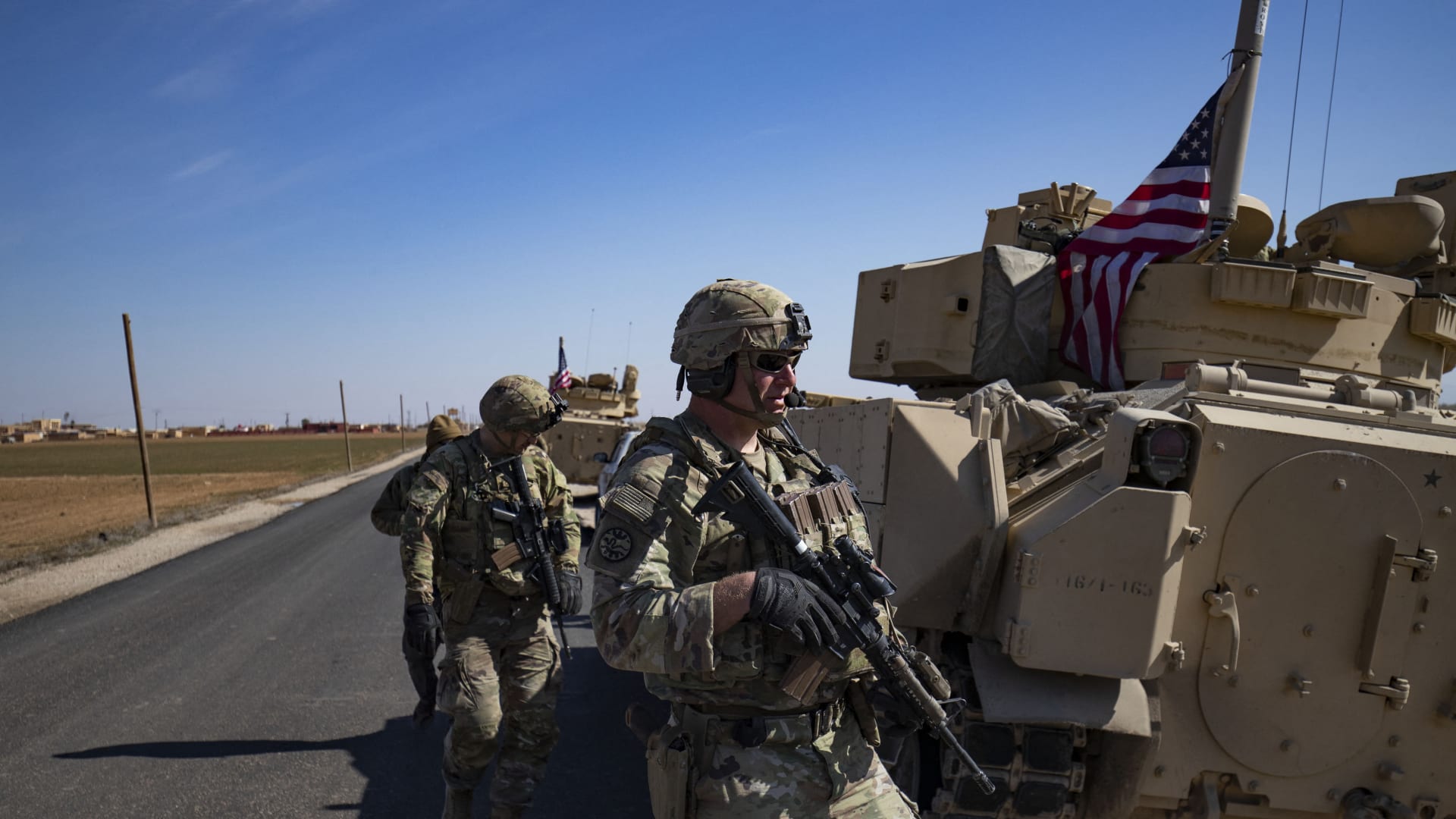
On Monday, U.S. President Donald Trump announced that orders have been issued to postpone all planned military strikes against Iranian power stations and energy infrastructure for a period of five days. This decision comes during rising tensions between the United States and Iran, which have witnessed a significant escalation in recent times.
This move reflects Trump's strategy in dealing with crises, as the U.S. administration seeks to reduce the intensity of tensions at present. Trump emphasized the importance of restraint rather than slipping into military escalation that could lead to dire consequences for the region.
Details of the Announcement
Specifically, the American threats surrounding the attack on Iranian facilities had significantly increased following recent attacks in the region attributed to Iran. These military strikes were expected to target Iranian power stations and critical infrastructure deemed vital to the Iranian economy.
This announcement comes at a time when Trump faces increasing pressure from Congress and public opinion regarding the U.S. administration's approach to Iran, as dealing with Tehran is considered one of the major challenges facing the administration. Additionally, this move is aimed at sending a strong message that the United States is not in a hurry to enter into new conflicts.
Context and Background
Since the U.S. withdrawal from the Iranian nuclear agreement in 2018, tensions between Washington and Tehran have escalated markedly. A series of economic sanctions imposed by the U.S. administration have complicated the situation for Iran, pushing it to enhance its military activities in the region.
Recent events, including attacks on oil tankers and tensions in the Strait of Hormuz, have contributed to fueling these crises. Accordingly, the delay in strikes aligns with Trump's need to look for diplomatic avenues and reevaluate traditional military strategies.
Implications and Effects
Postponing military strikes may help alleviate some military pressures on Iran and allow for diplomatic efforts to return to the negotiating table. Meanwhile, the Iranian president could exploit this delay to strengthen his position in the upcoming talks.
On the other hand, analysts believe that the U.S. administration may need to make further concessions if it wants to avoid military escalation and reach a lasting agreement regarding the Iranian nuclear program. Any new escalation could increase the likelihood of a military response from Tehran, paving the way for a larger confrontation.
Effects on the Arab Region
The potential consequences of this delay will inevitably extend to the Arab states in the region, especially those neighboring Iran. For instance, Gulf states may grow increasingly concerned that the Iranian regime could use this time to enhance its influence in the area.
Moreover, the situation in Iraq and Syria may be directly affected, as Iran plays a supportive role in military operations in both countries. Therefore, any change in U.S. policy towards Iran could significantly impact regional stability.
In conclusion, U.S. options for dealing with Iran remain fraught with risks, as Washington seeks to manage crises in ways that reflect its desire for stability while also attempting to avoid any slide into open war.