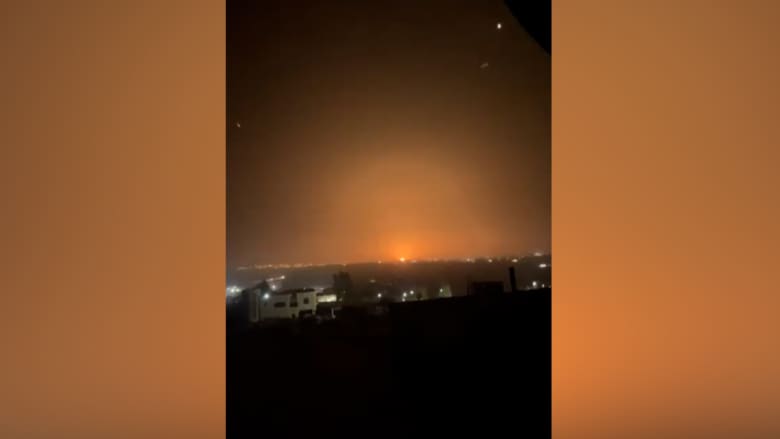
President Donald Trump has revealed a decision to postpone planned military strikes against Iranian power stations, as per his official statement this morning. This decision comes amid escalating tensions in the region, with increasing concerns about the implications of any military actions on regional security.
The recent statements from the U.S. administration suggest an effort by Trump to balance the relationship between pressuring Tehran and maintaining regional stability. At the same time, this decision reflects the growing concerns among U.S. policymakers regarding a military confrontation that could have far-reaching impacts.
Details of the Event
The military strikes against Iranian power stations were expected as part of a broader strategy aimed at compelling Tehran to alter its nuclear and military policies. However, this recent U.S. decision raises questions about Trump's management strategies towards Iran in the upcoming period.
Trump's strategy involves increasing pressure on Iran within the context of the administration's "maximum pressure" campaign. U.S. officials have indicated that the United States will continue to monitor Iranian activities closely before taking any future military steps.
Background & Context
The recent escalation in U.S.-Iran relations dates back to America's withdrawal from the nuclear agreement in 2018, coupled with the imposition of stringent economic sanctions on Tehran. These moves intensified tensions in the Middle East, resulting in ongoing threats from both sides.
Over the past years, the relationship between the two countries has deteriorated significantly, with both exchanging accusations of hostile actions. While Iran seeks to enhance its military capabilities, the United States responds by discussing firm military actions against Iranian activities in the region.
Impact & Consequences
The postponement of military strikes may lead to a temporary reduction in tension; however, the regional and international reactions will still be present. Many observers believe this delay could provide an opportunity for diplomacy, while others argue it may represent a weakness for the U.S. administration.
If Iran continues its nuclear program and military capabilities development, the U.S. administration may prepare to take harsher actions in the future. Additionally, this postponement could spark discussions within the U.S. Congress regarding the country's security in the face of Iranian threats.
Regional Significance
This decision reflects ongoing tensions in the Middle East, where Arab states are significantly affected by the Iranian-U.S. developments. Some Arab countries seek to solidify their relationships with the United States in response to Iran's increasing influence.
Trump's decision to postpone military strikes also highlights the importance of regional stability, as any conflict could create new chaos in countries like Iraq and Syria, which worries many international and regional parties.
In summary, observers view the postponement of military strikes as a temporary measure, yet the future of U.S.-Iran relations remains uncertain, directly impacting regional security and peace.