U.S. President Donald Trump announced that controlling Iranian oil has become a 'viable option', reflecting a new escalation in the ongoing confrontation between the United States and Iran. This statement comes as tensions between Washington and Tehran continue to rise, raising concerns about regional security implications.
Trump's remarks were made during a press conference, where he indicated that the United States might take serious steps towards controlling Iranian oil resources. This statement reflects the current policy of the U.S. administration, which focuses on pressuring Iran through economic sanctions aimed at reducing its oil revenues.
Details of the Event
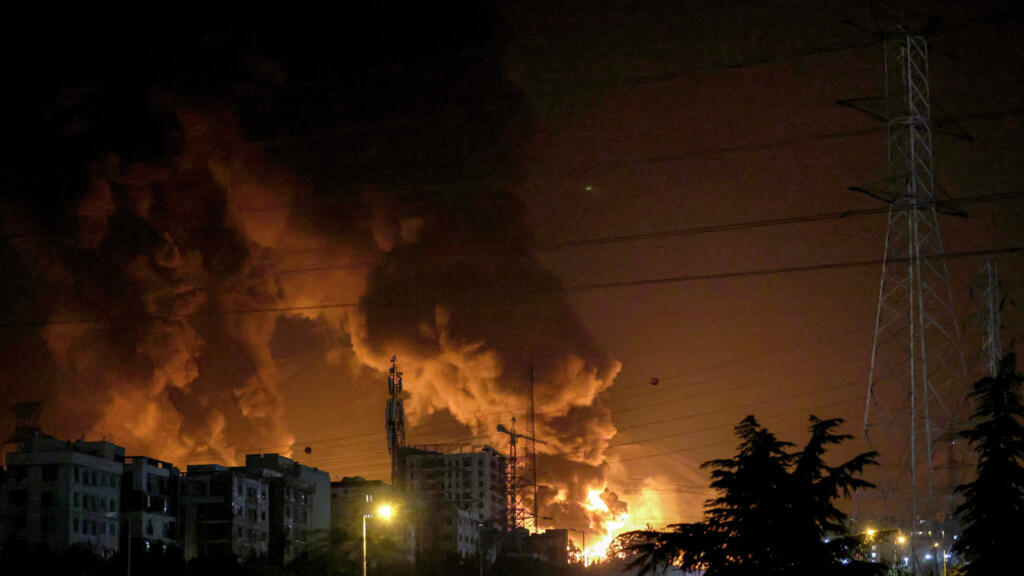
In a related context, Trump confirmed that military and economic options remain available, and he would not hesitate to take strict measures if Iran continues its nuclear activities. These statements come after a series of attacks targeting oil facilities in the region, which the United States has accused Iran of orchestrating.
Trump also noted that controlling Iranian oil could be a means of pressuring the Iranian regime, which heavily relies on oil revenues to fund its activities. Iranian oil is considered one of the main sources of revenue, with its exports representing a significant portion of the Iranian economy.
Background & Context
Tensions between the United States and Iran date back several years, beginning after Washington's withdrawal from the nuclear agreement in 2018. Since then, the United States has imposed a series of economic sanctions on Iran, leading to a deterioration of the country's economic situation. These sanctions have significantly impacted Iranian oil exports, which have sharply declined.
In recent years, the region has witnessed an escalation in military activities, with Iran supporting armed groups in Iraq, Syria, and Lebanon, increasing tensions with the United States and its allies. Additionally, attacks on oil tankers in the Arabian Gulf have heightened concerns about maritime security in the region.
Impact & Consequences
If the idea of controlling Iranian oil is implemented, it could lead to a significant escalation in the conflict between the United States and Iran, potentially dragging the region into a large-scale military conflict. This move could also affect global oil prices, as any disruption in Iranian oil supplies could lead to a substantial increase in prices.
Moreover, controlling oil resources could provoke strong reactions from the international community, as this step might be seen as a violation of Iran's national sovereignty. It could also lead to increased political isolation for the United States on the international stage.
Regional Significance
Trump's statements serve as a wake-up call for neighboring Arab countries, as any escalation in the conflict between the United States and Iran could directly impact security and stability in the region. Gulf countries, in particular, may find themselves in a sensitive position, as any military escalation could have negative repercussions on their economies and security.
The situation in Iraq and Syria could also be significantly affected, as Iran plays a key role in both countries. Any escalation in confrontation could lead to increased chaos and instability, complicating peace efforts in the region.
In conclusion, Trump's remarks about controlling Iranian oil as a viable option raise questions about the future of U.S.-Iran relations and heighten tensions in the Middle East.