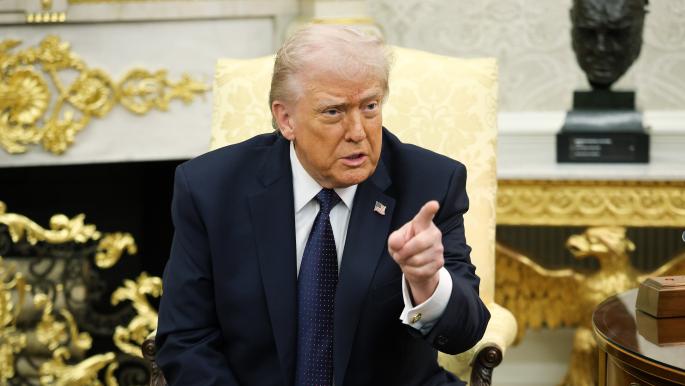
U.S. President Donald Trump has unveiled two main ideas for the ongoing negotiations with Iran, which involve the management of the Hormuz Strait and the sharing of oil revenues. These proposals arise amid escalating tensions between Washington and Tehran, complicating the geopolitical landscape in the region.
The U.S. administration aims to enhance its influence in the area through these ideas, as the Hormuz Strait is considered a vital strategic point, with approximately 20% of the world's oil passing through it. This proposal reflects Trump's desire to find innovative solutions to the ongoing tensions with Iran, which have intensified since the U.S. withdrawal from the nuclear deal in 2018.
Details of the Proposals
The first idea involves Trump's suggestion that the United States participate in the management of the Hormuz Strait alongside Iran, potentially opening the door for unprecedented cooperation between the two countries, despite their historical animosity. The second idea pertains to the distribution of oil revenues, indicating the possibility of a new mechanism for negotiating natural resources in the region.
These proposals come at a time when pressures on Iran are mounting due to the economic sanctions imposed on it, which have significantly impacted its economy. It is expected that these ideas will elicit mixed reactions from Iranian officials, who may view them as an American attempt to dominate their resources.
Background & Context
Historically, the Hormuz Strait has been a focal point for geopolitical tensions, witnessing numerous military and political crises. In recent years, tensions between the United States and Iran have notably escalated, especially following Washington's withdrawal from the nuclear agreement and the re-imposition of sanctions. These dynamics have made the Hormuz Strait a potential flashpoint, as both the U.S. and Iran seek to strengthen their positions.
Although the idea of cooperating in the management of the strait may seem unconventional, it reflects Trump's desire to find diplomatic solutions rather than resorting to military escalation. However, the question remains as to how willing Iran is to cooperate with the United States in this context.
Impact & Consequences
If these ideas are accepted by Iran, they could lead to a radical shift in relations between the two countries, potentially contributing to a reduction in tensions in the region. Conversely, Iran's rejection of these proposals could lead to further escalation of the conflict, increasing the risk of military confrontations in the Hormuz Strait.
Moreover, these developments could impact global oil markets, as any changes in the management of the strait could lead to fluctuations in oil prices. Therefore, these negotiations are not only politically significant but also economically crucial.
Regional Significance
The Arab countries neighboring the Hormuz Strait, such as Saudi Arabia and the United Arab Emirates, are among the most affected by developments in U.S.-Iran relations. Any change in the management of the strait or in oil policies could directly impact energy security in these countries.
Additionally, the stability of the region heavily depends on how the United States and Iran handle these proposals. If negotiations succeed, it could lead to improved relations between Arab countries and Iran, contributing to greater stability in the region.
In conclusion, the ideas proposed by Trump for negotiations with Iran remain a subject of debate, requiring a delicate balance between national interests and regional security. Under the current circumstances, there is hope that these initiatives will lead to positive outcomes that contribute to achieving peace and stability in the region.