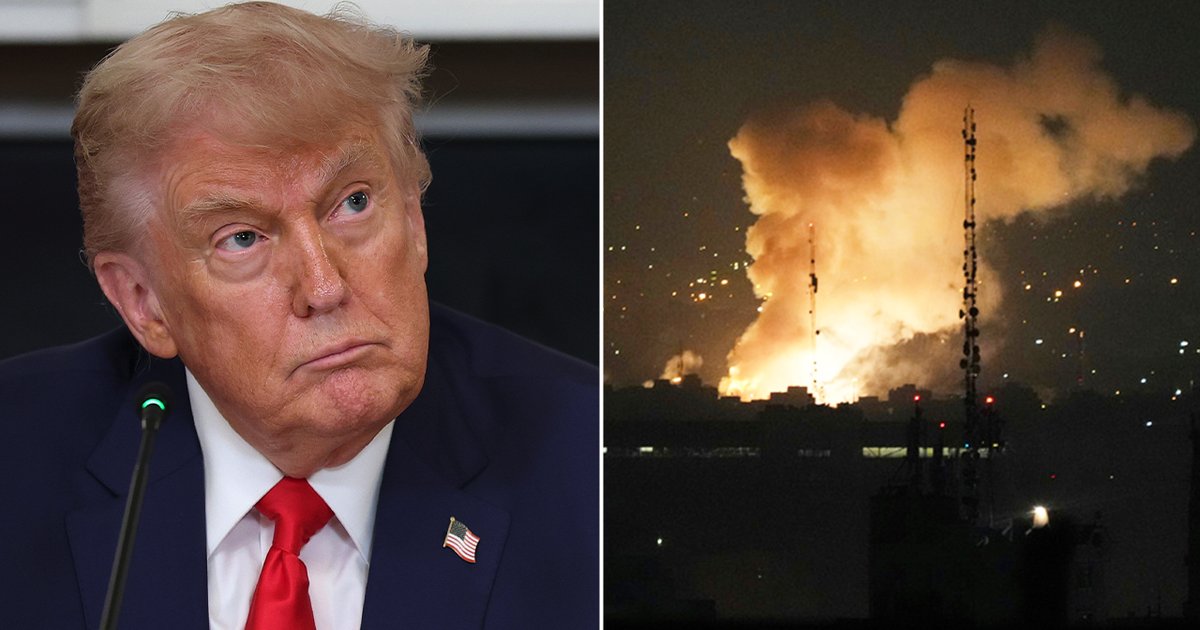
An Israeli official has disclosed that former US President Donald Trump rejected an Iranian request concerning a complete ceasefire, pending Iran's responses to several unresolved issues. This refusal occurs in the context of rising tensions between Iran and the United States, as Tehran seeks to achieve certain political objectives by pressuring Washington.
Concerns are mounting over the potential escalation of situations in the region, especially given the ongoing tensions between Iran and Western nations, which include issues related to the Iranian nuclear program and Tehran's support for armed groups in the Middle East. These dynamics complicate the prospects for a comprehensive agreement that would ensure stability in the area.
Details of the Event
According to the Israeli official, Trump was clear in his stance regarding the Iranian request, asserting that any ceasefire must coincide with Tehran providing clear responses regarding its commitments. This position reflects Trump's policy, which centered around pressuring Iran through the imposition of economic and political sanctions.
These statements come at a sensitive time, as the current US administration faces increasing pressure to handle the Iranian file more cautiously. Reactions to these statements have varied within political circles, with some viewing this rejection as likely to heighten tensions, while others see it as a necessary step to maintain regional security.
Background & Context
Historically, US-Iranian relations have experienced significant fluctuations, marked by periods of intense tension and others of détente. Since the United States withdrew from the Iranian nuclear agreement in 2018, tensions have notably escalated, leading to a series of military and political events that have complicated the situation in the region.
Iran, for its part, seeks to enhance its influence in the Middle East by supporting its allies in Iraq, Syria, and Lebanon, which raises concerns among neighboring countries and the United States. In this context, the Iranian request for a ceasefire is seen as part of its strategy to negotiate from a position of strength.
Impact & Consequences
Trump's rejection of the Iranian request could lead to an escalation of situations in the region, as Tehran may respond with escalatory measures, such as increasing military activities or supporting armed groups. This escalation could negatively impact regional security and affect oil prices and global financial markets.
Moreover, this stance may influence US relations with its allies in the region, who are seeking greater stability. Under these circumstances, the United States may find itself compelled to reassess its strategy towards Iran, especially with increasing pressure from its Gulf allies.
Regional Significance
Arab countries are directly affected by the tensions between Iran and the United States, as many of these nations consider Iran a threat to their national security. In this context, escalation could lead to increased sectarian tensions in the region, adversely affecting internal stability in many Arab countries.
It is crucial for Arab nations to remain vigilant regarding these developments and to work on enhancing their security and political cooperation to address any potential threats. They should also seek diplomatic solutions that promote stability in the region.
In conclusion, the situation in the Middle East remains volatile and heavily dependent on how major powers address outstanding issues. Trump's rejection of the Iranian request may have far-reaching implications for security and stability in the region.