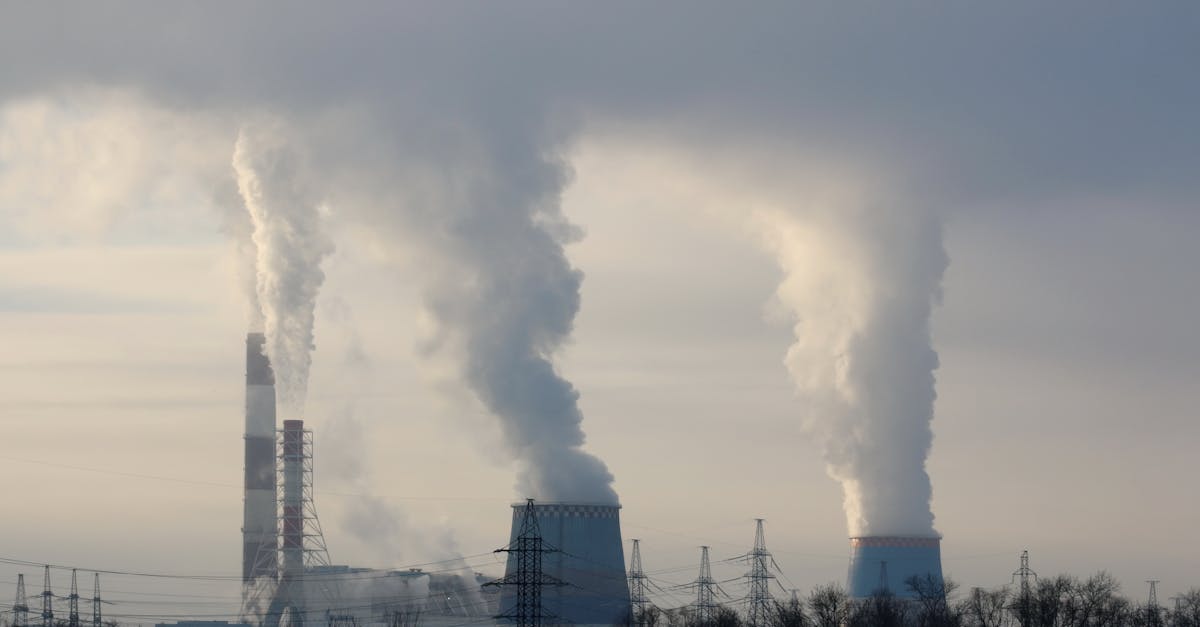
Former U.S. President Donald Trump has renewed his threats to strike Iranian power plants, asserting that the United States would take such action if Iran continues its aggressive behavior. These statements come at a time when relations between Washington and Tehran are increasingly strained, raising concerns in the international community.
Trump, who took a hardline stance against Iran during his presidency, indicated that any provocative actions by Tehran would be met with a strong response. His remarks come at a sensitive time as Iran seeks to enhance its nuclear capabilities, heightening fears among the U.S. and its allies in the region.
Details of the Event
During a recent event, Trump emphasized that the United States would not hesitate to use military force against Iran if it continued to threaten U.S. interests and those of its allies. He mentioned that Iranian power plants would be a potential target if activities deemed a threat to regional security do not cease.
Trump's statements come amid escalating hostilities in the region, with Iran bolstering its military presence in various areas, further increasing tensions with neighboring countries and the United States.
Background & Context
Historically, U.S.-Iranian relations have been tense since the Islamic Revolution in 1979. These relations have escalated significantly following the U.S. withdrawal from the Iranian nuclear deal in 2018, which led to the imposition of stringent economic sanctions on Tehran.
In recent years, Iran has ramped up its nuclear activities, raising alarms among Western nations concerned about Tehran's potential development of nuclear weapons. In this context, Trump's threats are part of a broader strategy to pressure Iran to return to the negotiating table.
Impact & Consequences
Trump's threats serve as a clear warning to Tehran and could lead to military escalation in the region. If these threats are acted upon, they may provoke military responses from Iran, increasing the likelihood of a full-scale conflict in the Gulf region.
Moreover, these tensions could impact global oil prices, as any military escalation in the area could lead to significant price increases, affecting the global economy.
Regional Significance
Arab countries neighboring Iran, such as Iraq and Saudi Arabia, find themselves in a very sensitive position. Any military escalation could negatively impact the stability of these nations and lead to an influx of refugees and increased sectarian tensions.
Additionally, Arab nations seeking to strengthen their ties with Iran may find themselves in a difficult position, needing to balance their national interests with U.S. pressures.
In conclusion, U.S. threats against Iran remain a significant concern for the region, indicating the potential for military escalation that could affect security and stability in the Middle East.