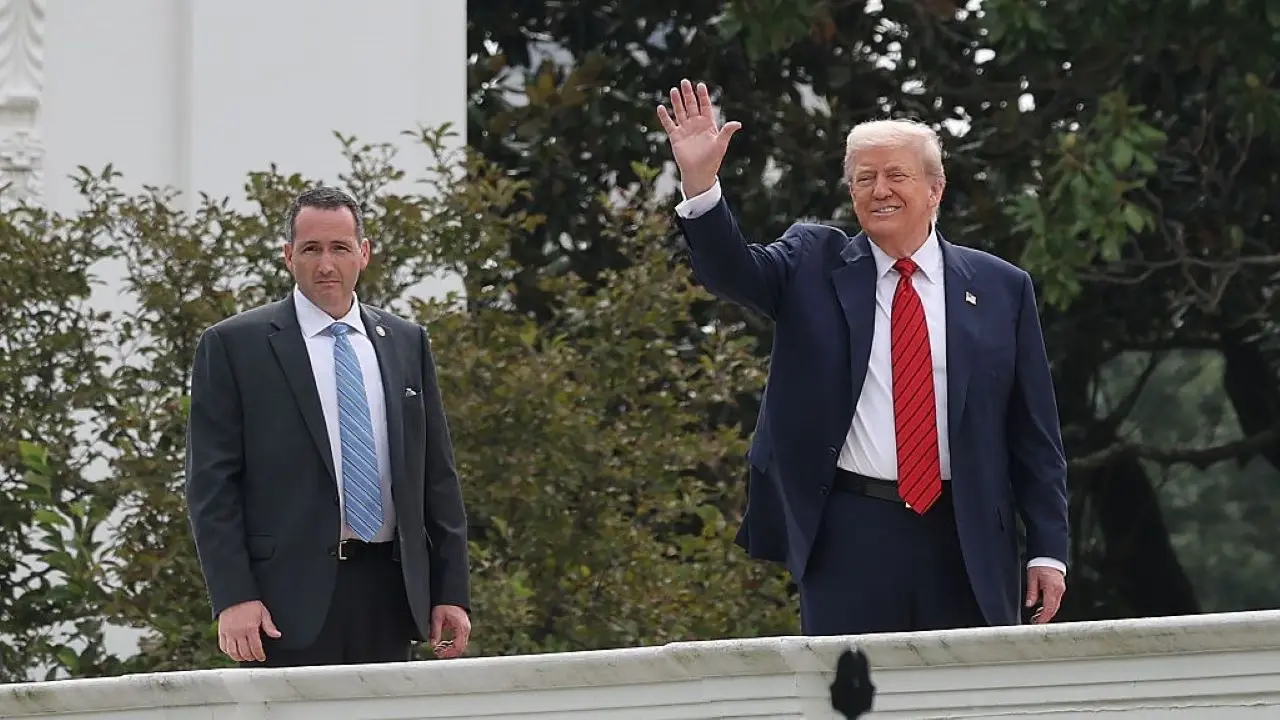
Former President Donald Trump has revealed a secret project that goes beyond merely constructing a new ballroom at the White House, involving the creation of a massive underground security facility. This project, which costs up to $400 million, aims to bolster the national security of the United States and includes a comprehensive military complex.
While attention has been focused on the upper part of the project, details regarding the lower section, which houses advanced security facilities, began to leak following legal issues surrounding the project. According to a report published by the New York Times, work teams have started digging to remove the presidential emergency operations center, established during World War II, to build a larger and deeper facility.
Details of the Project
The new facility will include a large military complex aimed at reconstructing the presidential emergency operations center, which was considered a safe haven for the U.S. president and senior officials during emergencies. Trump explained in statements aboard Air Force One that the underground project will be equipped with shelters and advanced medical facilities such as hospitals, along with the latest secure communication methods and defenses against biological weapons.
Trump also noted that the ballroom will serve as a repository for the underground project, providing protection for this center against potential threats such as drones and gunfire, with bullet-resistant window designs.
Background & Context
These statements come at a time when the project faces legal challenges, as Judge Richard Leon issued an order to temporarily halt the project until it receives congressional approval. The judge, appointed by former President George W. Bush, emphasized that construction must stop unless Congress grants its blessing through legislative authorization.
In this context, the U.S. Secret Service submitted documents to the court highlighting the necessity of completing the project due to increasing security concerns. Matthew Quinn, Deputy Director of the Secret Service, confirmed that any halt in the project could jeopardize presidential security, noting that ongoing work includes security enhancements that cannot be postponed.
Impact & Consequences
This project is seen as a strategic move to enhance U.S. national security, especially amid the rising threats facing the country. The establishment of an advanced security facility beneath the White House reflects new trends in U.S. security policy, where presidential security is a top priority.
Moreover, the project may spark widespread debate about government spending priorities, particularly in light of the economic and social crises the country is experiencing. This project is expected to lead to further discussions on how to allocate financial resources amid current challenges.
Regional Significance
Although the project focuses on U.S. domestic security, it could have potential implications for the Arab region. Strengthening U.S. security may influence American foreign policies towards Arab countries, especially given the existing tensions in the region.
Additionally, this project could contribute to enhancing security cooperation between the United States and some Arab countries, as this facility could be seen as a model for advanced security that could be adopted in other areas.
In conclusion, the project being implemented beneath the White House illustrates how security issues can intertwine with domestic politics, reflecting the importance of national security in political decision-making.