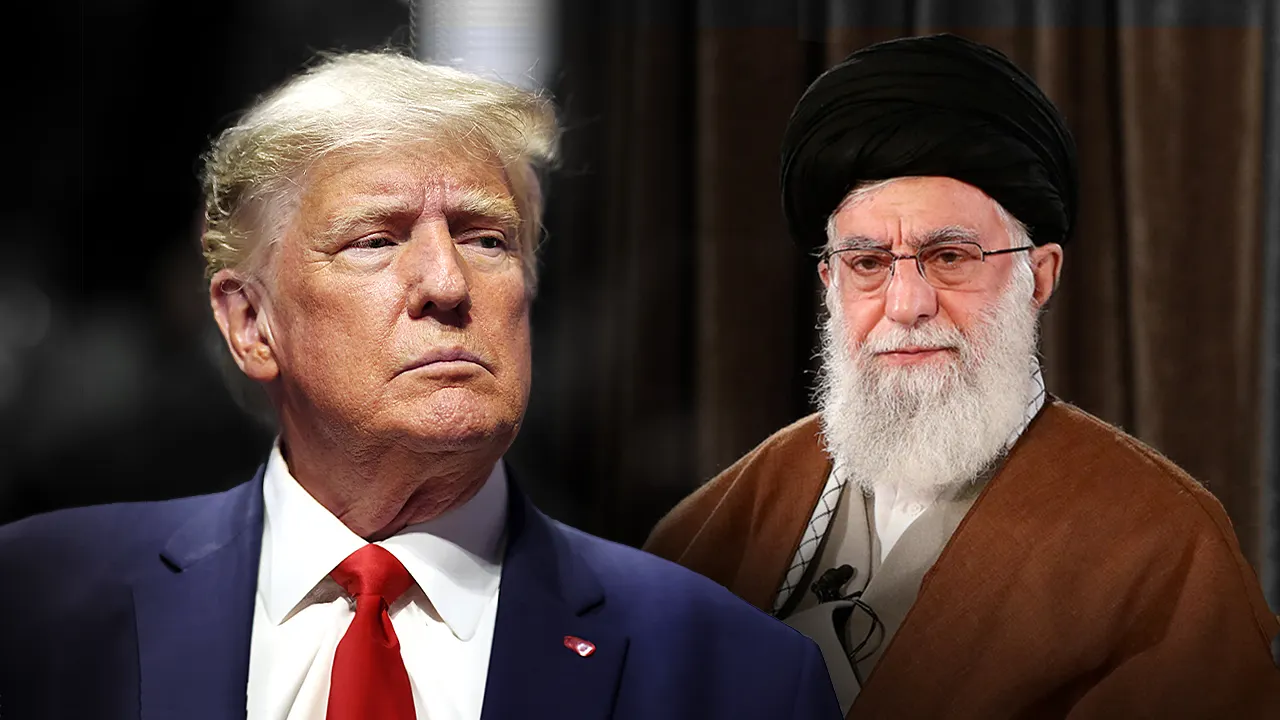
U.S. President Donald Trump announced that the ongoing negotiations with Iran are progressing very well, reflecting the possibility of achieving progress in the relations between the two countries. These statements come at a time when tensions are increasing in the Middle East, as both parties seek to find diplomatic solutions to the existing crises.
Trump, speaking during a press conference, indicated that talks with Tehran could yield positive results, which could change the course of bilateral relations that have seen significant tensions in recent years. This announcement has garnered wide interest in political and media circles, with many questioning the seriousness of these negotiations and what outcomes they might bring.
Details of the Event
In the press conference, Trump confirmed that his negotiating team is working diligently and that there are positive signals from the Iranian side. He also added that the United States hopes to reach a comprehensive agreement that ensures regional stability and limits Iranian nuclear activities. These statements come after months of increasing tensions, as relations between Washington and Tehran have notably deteriorated following the U.S. withdrawal from the nuclear agreement in 2018.
On the other hand, some observers pointed out that these negotiations could be an opportunity to rebuild trust between the two parties, especially given the complex regional circumstances in the Middle East. Additionally, there are calls from some European countries to return to the negotiating table, which could contribute to achieving tangible progress.
Background & Context
The roots of tensions between the United States and Iran date back decades, with relations between the two countries experiencing significant fluctuations since the Iranian revolution in 1979. Since then, the United States has imposed strict economic sanctions on Iran, significantly impacting its economy. In recent years, tensions have escalated further, particularly following attacks on oil facilities in Saudi Arabia and mutual accusations between the two parties.
In 2015, a nuclear agreement was reached between Iran and major powers, aiming to reduce Iranian nuclear activities in exchange for easing sanctions. However, the U.S. withdrawal from the agreement in 2018 brought matters back to square one, leading to a significant escalation of tensions.
Impact & Consequences
If progress is made in the negotiations, it could have a significant impact on stability in the Middle East. Reaching an agreement could help ease tensions between Iran and neighboring countries and enhance opportunities for regional cooperation in various fields. Furthermore, the success of the negotiations could positively reflect on the Iranian economy, which is suffering from the effects of sanctions.
On the other hand, the Trump administration may face internal pressures from some factions opposing any rapprochement with Iran, which could affect the course of the negotiations. Therefore, achieving tangible progress requires a delicate balance between internal and external interests.
Regional Significance
The relations between the United States and Iran have a significant impact on Arab countries, as any changes in these relations could directly affect security and stability in the region. Gulf countries, in particular, are closely monitoring the developments in the negotiations, as any agreement could alter the balance of power in the region.
Moreover, the success of the negotiations could open the door for broader dialogue between Iran and Arab countries, which could help reduce regional tensions. Conversely, the failure of the negotiations could lead to a new escalation of tensions, increasing security risks in the region.
In conclusion, negotiations with Iran remain a pivotal point in U.S. foreign policy, as their outcomes could determine the future of relations between Washington and Tehran, significantly impacting stability in the Middle East.