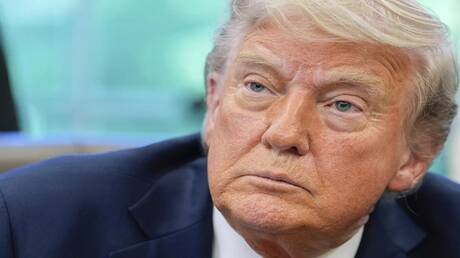
U.S. President Donald Trump has reversed his previous statements regarding dealings with Iran, showing unusual hesitation when asked about the fate of the missing American officer in Iran. Trump merely stated, 'I cannot comment on that,' which has sparked questions about his administration's position on the ongoing crisis.
This reversal comes at a sensitive time as tensions between the United States and Iran escalate, especially following reports that the missing American officer may be held by Iranian authorities. This development indicates a shift in Trump's strategy towards Tehran, which previously saw strong statements from him about the necessity of taking a firm stance against it.
Details of the Event
During a press conference, Trump faced increasing pressure to answer questions about the fate of the American officer who disappeared under mysterious circumstances. However, his ambiguous response reflects a state of uncertainty in U.S. foreign policy towards Iran, particularly amid the multiple crises facing the current administration.
This hesitation comes at a critical moment, as fears of escalating violence in the region grow, placing Trump in a difficult position that requires decisive decisions. It was expected that Trump would take a clearer stance, especially after his previous statements regarding the need to confront Iran.
Background & Context
Historically, relations between the United States and Iran have been tense, marked by numerous crises, starting from the hostage crisis of American citizens in 1979 to the economic sanctions imposed by the U.S. on Iran in recent years. The Trump administration had previously attempted to adopt a strict policy towards Iran, including withdrawing from the nuclear agreement.
However, recent events, including the escalation of Iranian military activities in the region, have prompted the U.S. administration to reassess its strategy. This coincides with calls from some European allies to return to dialogue with Tehran, complicating the situation further.
Impact & Consequences
These developments could lead to heightened tensions in the region, as Iran may exploit the uncertainty to strengthen its position. Furthermore, Trump's retreat from his stance could undermine the credibility of the United States in the eyes of its allies, who are looking for a clear policy towards Iran.
Moreover, the lack of clarity in the U.S. position may encourage Iran-backed armed groups to take bolder actions, increasing the risk of military conflict in the region. This situation could also impact global oil markets, as any escalation in tensions could lead to rising oil prices.
Regional Significance
Arab countries, particularly those in the Gulf, are among the most affected by the tensions between the United States and Iran. With escalating threats, these countries may feel the need to bolster their military defenses, potentially leading to a new arms race in the region.
Additionally, any escalation in conflict could affect political and economic stability in Arab countries, increasing the challenges these nations face amid ongoing economic and social crises. At the same time, some Arab countries may seek to play a mediating role in an attempt to ease tensions.
In conclusion, the situation between Iran and the United States remains under close observation, as any new developments could have significant implications for security and stability in the region.