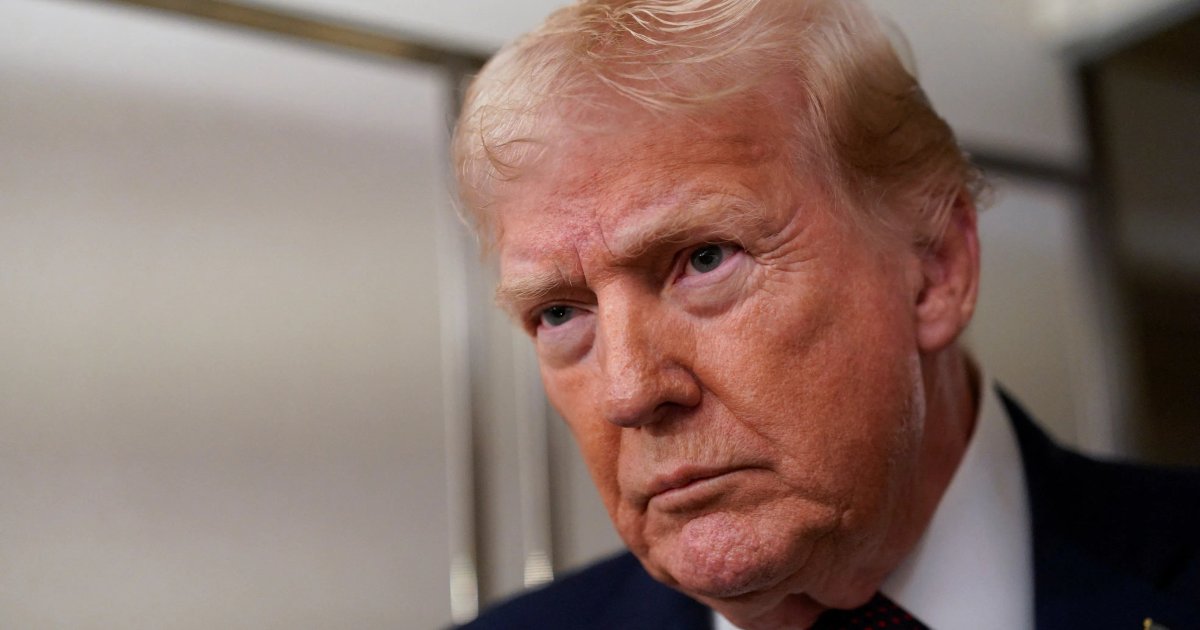
A White House official disclosed that President Donald Trump has informed his aides of his desire to avoid an "endless war" with Iran, stressing the importance of finding a diplomatic exit. This statement was made in comments to Reuters, where the official noted that Trump prefers negotiation over military escalation but has not ruled out military options if talks do not succeed.
Trump urged his aides to emphasize that the duration of potential combat he mentioned in his statements ranges from 4 to 6 weeks, which the official described as a "fragile timeline." The American president continues to discuss assessments indicating the possibility of achieving victory, while simultaneously seeking to reassure jittery financial markets.
Details of the Situation
Amid rising tensions between the United States and Iran, Trump confirmed that he is willing to listen to Iran but warned that any failure to accept the current reality would lead to a "strike stronger than ever before." The official clarified that Trump and his team are "well-prepared" to respond to any Iranian movements in the Strait of Hormuz, with confidence in reopening it soon.
The official also noted that Trump does not plan to send ground troops to Iran, but he is keeping all options on the table. He pointed out that the campaign against Iran will end when Trump decides that "our objectives have been achieved." Conversely, a senior Gulf official warned that sending ground troops could provoke a violent Iranian response, citing potential threats against energy infrastructure and civilian targets in Gulf countries.
Background & Context
These statements come at a sensitive time, as ABC News reported from informed sources that the Trump administration sent a 15-point plan to Iran via Pakistan, aimed at ending the war. This plan includes issues related to both the nuclear and ballistic missile programs, as well as maritime corridor matters.
For its part, Iran described the American proposal as "unfair and unrealistic," but did not rule out the possibility of further indirect communications. These dynamics indicate the complexity of relations between the two countries, where regional and international interests increasingly overlap.
Impact & Consequences
These developments are of significant importance, reflecting ongoing tensions in the Middle East. Potential military escalation could destabilize the region, affecting both regional and global security.
Moreover, any escalation in hostilities could negatively impact the global economy, especially given that many countries rely on Iranian oil. Therefore, successful negotiations may be essential to avoid an undesirable escalation.
Regional Significance
For Arab countries, the situation between Iran and the United States presents a major challenge. Gulf allies are concerned about any escalation that could threaten their security and stability. Additionally, any military escalation could impact oil prices and increase economic pressures on Arab nations.
In conclusion, the question remains on how to manage these tensions and whether negotiations will lead to positive outcomes or plunge the region into a new spiral of conflict.