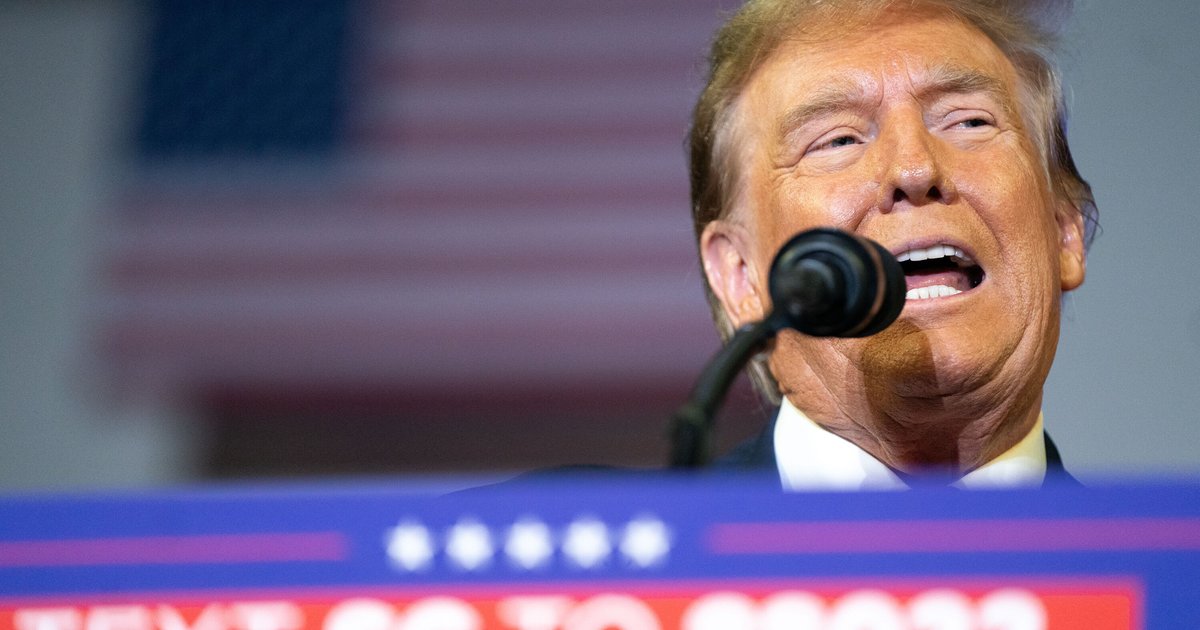
Former U.S. President Donald Trump announced that he is seriously considering the possibility of the United States withdrawing from the North Atlantic Treaty Organization (NATO), which could fundamentally alter the security equation in Europe. These statements come at a time when geopolitical tensions are rising, causing concern among Washington's allies on the old continent.
Trump, who has previously criticized NATO, indicated that the United States bears a significant burden in funding the alliance, prompting him to think about reassessing his country's commitments to this coalition. This raises the question of how prepared the United States is to move away from its traditional obligations within NATO.
Details of the Event
During a speech at an event, Trump confirmed that he is seriously considering this option, stating that European countries need to take more responsibility for their own defense. This statement elicited mixed reactions, with some viewing it as a threat to the stability of European security, while others saw it as a step towards reevaluating international relations.
This announcement comes at a time when tensions between Russia and Western countries are escalating, especially following recent events in Ukraine. In this context, NATO is considered a key element of European defense strategy, which increases the significance of Trump's remarks.
Background & Context
NATO was established in 1949 as a military alliance aimed at countering Soviet threats during the Cold War. With the collapse of the Soviet Union, the alliance's role evolved to include a range of security tasks, including counter-terrorism and cybersecurity.
During Trump's presidency, NATO faced increasing criticism from him, as he believed that European countries were not contributing enough to the alliance's budget. These criticisms raised concerns that the United States might withdraw from its commitments, potentially leading to the disintegration of the alliance.
Impact & Consequences
If the United States decides to withdraw from NATO, it could lead to a reshaping of the security system in Europe. European countries would find themselves compelled to enhance their defense capabilities significantly, which could trigger a new arms race in the region.
Furthermore, this withdrawal could bolster Russian influence in the area, as Moscow would find an opportunity to expand its reach into neighboring countries. Additionally, this decision may raise concerns among Washington's allies in the Middle East, who rely on American support to confront regional threats.
Regional Significance
U.S. relations with Arab countries are a crucial part of the security strategy in the region. A withdrawal from NATO could impact the level of security and military cooperation between the United States and Arab nations, potentially altering the balance of power in the area.
Moreover, any changes in U.S. policy towards NATO could affect peace efforts in the Middle East, where many Arab states depend on American support to achieve stability and security.
In conclusion, Trump's statements regarding a withdrawal from NATO are of significant interest, as they reflect potential shifts in U.S. foreign policy. Questions remain about how these changes will impact regional and international security.