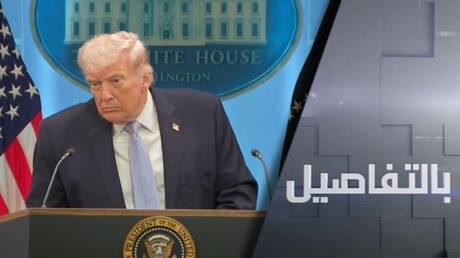
U.S. President Donald Trump has threatened to destroy vital infrastructure in Iran, including bridges and power plants, if an agreement is not reached by midnight Tuesday. This statement comes amid escalating tensions between Washington and Tehran, as Trump aims to exert increasing pressure on the Iranian regime.
Trump's remarks come at a sensitive time, as fears grow over an escalation of conflict in the region. He indicated that this deadline represents a final opportunity for Iran to reach an agreement that ensures it does not develop nuclear weapons, warning that non-compliance could lead to severe consequences.
Details of the Threat
In a press conference, Trump affirmed that the United States would not hesitate to use military force if necessary. He explained that Iranian infrastructure, which includes vital facilities, would be a potential target if Tehran continues to ignore international demands. These statements reflect Trump's hardline policy towards Iran, which includes imposing strict economic sanctions.
Trump also noted that the United States would enhance its military presence in the region as part of its strategy to pressure Iran. This comes at a time when tensions are rising in the Arabian Gulf, where commercial vessels are facing repeated attacks.
Background & Context
The roots of tensions between the United States and Iran date back several decades, with relations between the two countries significantly deteriorating since Washington's withdrawal from the Iranian nuclear agreement in 2018. Since then, the United States has imposed severe economic sanctions on Tehran, which have significantly impacted its economy.
Iran is seeking to bolster its military and nuclear capabilities, which Trump views as a threat to regional and international security. Recent years have seen a series of military incidents between U.S. and Iranian forces, further intensifying tensions.
Impact & Consequences
If an agreement is not reached, military escalation could lead to open conflict in the region, affecting the stability of Gulf states and exacerbating humanitarian crises. Additionally, the destruction of Iranian infrastructure could have serious economic and social repercussions for the Iranian people.
These statements serve as a clear warning to Tehran and may elicit varied reactions from the international community. Some countries may seek to mediate to avoid escalation, while others may adopt a more hardline stance.
Regional Significance
The tensions between the United States and Iran directly impact Arab countries, especially those located in the Gulf. Increased tensions could lead to rising oil prices and fluctuations in financial markets, affecting the economies of Arab nations.
Moreover, any military escalation could result in a flow of refugees and increased humanitarian crises in the region, necessitating a response from Arab countries and the international community. Diplomatic efforts are crucial to resolve the conflict and avoid military escalation.
In conclusion, the situation in the region remains fragile, depending on how Iran responds to U.S. pressures. Reaching an agreement may be the only way to avoid escalating conflict, but time is running out rapidly.