U.S. President Donald Trump has threatened to strike power stations and bridges in Iran, in a controversial statement made after the deadline he set for Tehran to open the Strait of Hormuz for navigation expired. In a post on the "Truth Social" platform, Trump stated: "This Sunday, Tuesday will be power stations and bridges day, all in one day, in Iran." He added: "There will be no day like it!!! Open the strait, you fools, or you will live in hell, just wait and watch."
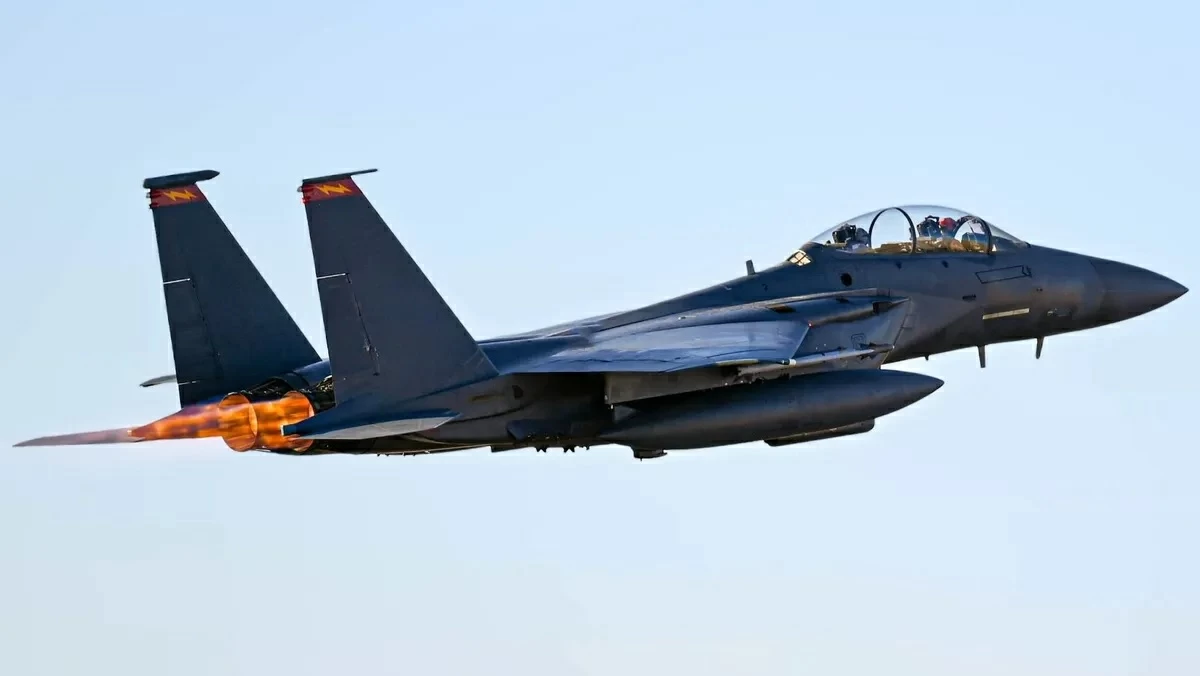
This threat comes at a sensitive time, as Trump announced a press conference scheduled for 1 PM local time on Monday at the White House, with military leaders, to discuss the rescue operation of the second pilot whose plane crashed in Iran on Friday. In his post, Trump revealed new details about the rescue of one of the F-15 fighter pilots that were shot down, indicating that the pilot sustained serious injuries and that the rescue took place from deep within the mountains of Iran, where the Iranians were about to reach him.
Details of the Event
Trump clarified that "this type of operation is rarely executed due to the risks posed to personnel and equipment. It simply does not happen often." He also noted that "the rescue of the second pilot occurred after the first pilot was rescued in a daytime operation, which is also unusual, and the operation took 7 hours over Iran."
Meanwhile, the Oman News Agency reported that Oman and Iran held a meeting at the level of deputies in the foreign ministries of both countries, attended by specialists from both sides, a day before the deadline set by Trump for Tehran. During the meeting, possible options were discussed to ensure the smooth passage through the Strait of Hormuz amid the current conditions in the region.
Background & Context
The U.S. threats against Iran are part of a series of escalating tensions between the two countries, especially following the U.S. withdrawal from the Iranian nuclear deal in 2018. Since then, the intensity of statements and threats has increased, leading to heightened tensions in the Arabian Gulf region.
Oman, which plays a mediating role in the region, is striving to alleviate tensions. Omani Foreign Minister Badr al-Busaidi stated last March that Oman is working to reach arrangements for safe passage through the Strait of Hormuz. He emphasized that the continuation of the conflict could exacerbate economic problems in the region.
Impact & Consequences
Concerns are growing that these threats could lead to military escalation in the region, potentially affecting navigation in the Strait of Hormuz, which is considered one of the most important maritime passages in the world. Any disruption in this strait could lead to rising oil prices and impact the global economy.
Moreover, military escalation could affect relations between the United States and its allies in the region, as some countries may find themselves forced to choose between supporting the U.S. or maintaining their relations with Iran. This situation could create instability in the Gulf region, which is already suffering from political and economic tensions.
Regional Significance
The tensions between the United States and Iran have significant implications for Arab countries, especially those located near the Strait of Hormuz. Any military escalation could lead to economic and security repercussions for these countries, further increasing instability in the region.
In conclusion, the situation in the Strait of Hormuz remains under scrutiny, as fears of military escalation that could change the course of events in the region are rising. The international community must act to ensure peace and stability in this sensitive area.