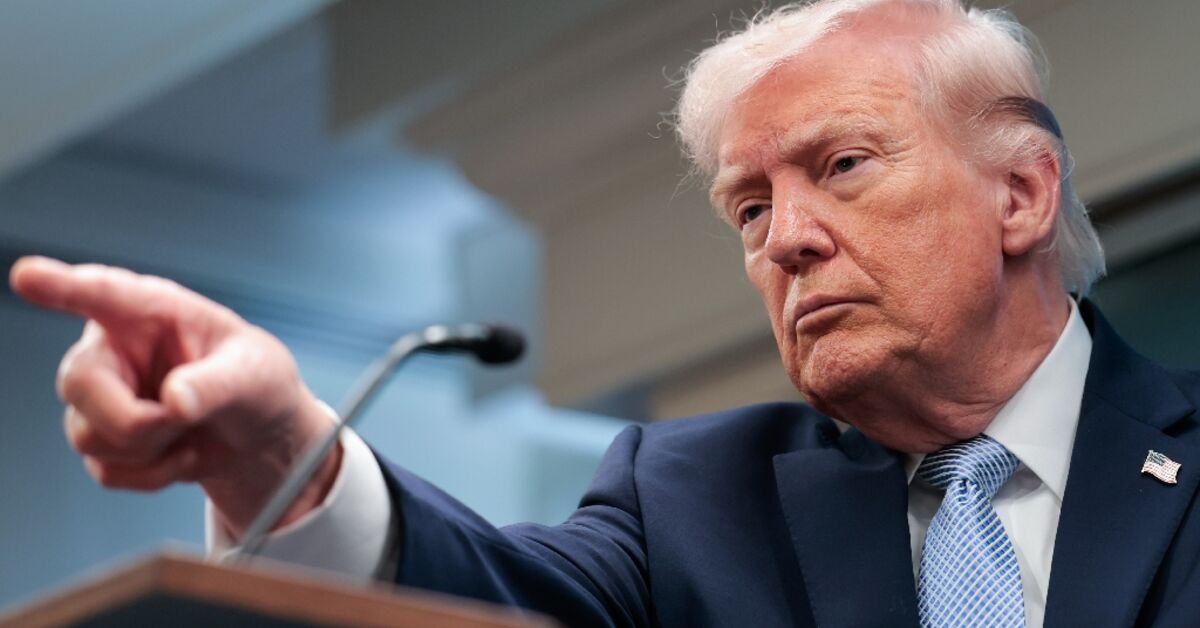
In controversial remarks, President Donald Trump stated on Monday that he would destroy all bridges and power stations in Iran if Tehran does not comply with his demands. This announcement was made during a press conference at the White House, where Trump referenced a rescue operation for pilots whose plane had crashed, emphasizing that "the entire country could be destroyed in one night, and that night could be tomorrow."
Trump, who has faced widespread criticism for his threats, dismissed accusations that such actions could be considered war crimes. He asserted that he is prepared to take stringent measures if Iran does not cooperate with the United States.
Details of the Incident
Trump's statements come at a sensitive time, as tensions between the United States and Iran escalate. The operation mentioned was aimed at rescuing American pilots whose aircraft had gone down in a tense area, reflecting the significant risks faced by U.S. forces in the region.
These threats arise amid growing international concern regarding Iran's nuclear program, as the United States seeks to pressure Iran to reduce its nuclear activities and interventions in regional affairs.
Background & Context
The history of U.S.-Iran relations is fraught with tensions and conflicts. Since the Iranian Revolution in 1979, relations between the two countries have deteriorated continuously, with the United States imposing strict economic sanctions on Iran due to its nuclear program and support for armed groups in the region.
In recent years, tensions have escalated further following the U.S. withdrawal from the Iranian nuclear deal in 2018, which exacerbated the economic and political situation in Iran and increased military provocations from both sides.
Impact & Consequences
Trump's threats could lead to a potential military escalation in the region, raising fears of a widespread conflict. If the United States follows through on its threats, it could provoke a violent response from Iran, further increasing instability in the Middle East.
Such statements may also affect U.S. relations with its allies in the region, as they may feel concerned about the potential military escalation and its impact on their security.
Regional Significance
The tensions between the United States and Iran are a sensitive issue for many Arab countries, as any escalation could impact security and stability in the region. Gulf states, in particular, are closely monitoring the situation, as any conflict could lead to significant economic and security repercussions.
Ultimately, the question remains as to how Iran will respond to these threats and whether they will lead to further escalation of regional tensions.