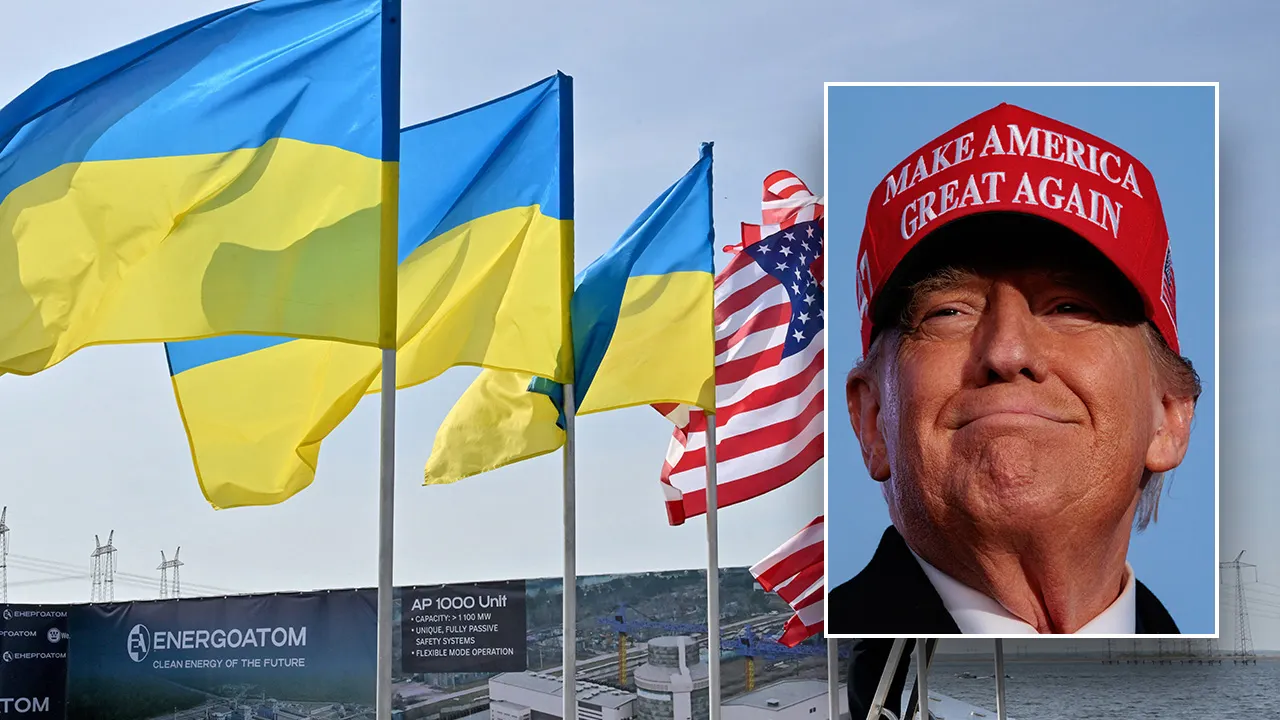
U.S. President Donald Trump has threatened to halt military support for Ukraine unless European countries join the coalition aimed at securing the Strait of Hormuz. This threat comes at a critical time as NATO faces increasing pressure to strengthen cooperation among its members to tackle rising security challenges, particularly amid the tense situation in Eastern Europe.
In statements made during a press conference, Trump emphasized that American support for Ukraine heavily relies on European nations' commitment to participate in security alliances. He pointed out that the United States cannot bear the burden of defending Ukraine alone and that European countries must take on their responsibilities.
Details of the Situation
Trump's remarks come at a crucial juncture as Ukraine faces an escalation in its conflict with Russia, making Western military support increasingly vital. NATO Secretary General Jens Stoltenberg has urged member states to assist the United States in reopening vital waterways, such as the Strait of Hormuz, which is considered a strategic transit point for oil and gas.
These statements serve as a clear warning from Trump, who seeks to bolster his position in foreign policy, especially with the upcoming U.S. presidential elections. It appears that the American president is attempting to use this issue as leverage to pressure European nations into providing more military and financial support for Ukraine.
Background & Context
Historically, the Strait of Hormuz has been a key hub in global trade, through which approximately 20% of the world's oil passes. The region has witnessed increasing tensions in recent years, particularly with the escalation of the conflict between Iran and the United States. Since the onset of the conflict in Ukraine, Europe has become more reliant on American energy, making it more invested in stability in the region.
In recent years, NATO has undergone a shift in its strategies, focusing more on threats emanating from Russia. This has led to enhanced military cooperation among member states; however, there remains a disparity in the level of commitment among European countries.
Impact & Consequences
If Trump's threat is realized, it could exacerbate the situation in Ukraine and intensify the conflict with Russia. Additionally, a cessation of American military support could weaken Ukraine's position in future negotiations. On the other hand, pressuring European nations to join the coalition may lead to new tensions within NATO, as member states differ in their views on European security.
Moreover, this threat could impact global oil prices, as any escalation in the Strait of Hormuz could lead to an increase in oil prices, affecting the global economy as a whole.
Regional Significance
For the Arab region, any escalation in the Strait of Hormuz could directly affect Gulf countries that rely on oil exports. Additionally, tensions between the United States and Iran could have indirect repercussions on regional security, prompting Arab nations to take precautionary measures to counter any negative impacts.
In conclusion, the situation in Ukraine and the Strait of Hormuz remains under scrutiny, as security and economic challenges continue to rise. Genuine international cooperation is required to ensure stability in these vital areas.