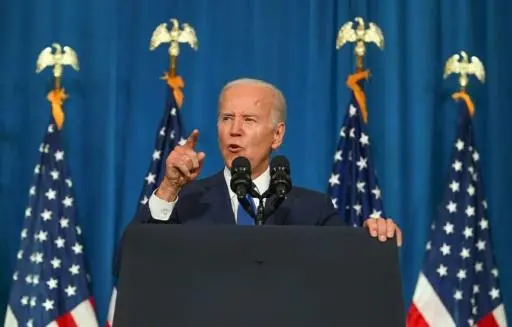
U.S. President Donald Trump stated that Iranian negotiators are in a precarious position, pleading for an agreement amid what he described as a 'crushing military defeat.' His remarks come at a critical time as the Iranian regime faces both internal and external challenges.
Speaking to reporters, Trump emphasized that Iran needs to take urgent steps to salvage the nuclear talks that have stalled in recent months. He noted that time is running out for Tehran, warning that failure to act could exacerbate the situation.
Details of the Event
Trump's statements come at a time when pressure is mounting on Iran, as the country faces a series of economic and political crises. The U.S. president pointed out that the nuclear negotiations, which were initiated during the Barack Obama administration, are encountering new challenges amid rising tensions in the region.
Trump also added that Iran might be in a weak position, making it more willing to negotiate. He reported that Iranian negotiators are expressing a desire to reach an agreement, reflecting their concerns about the current situation.
Background & Context
Historically, relations between the United States and Iran have been tense, especially following the Trump administration's withdrawal from the nuclear agreement in 2018. This withdrawal led to the re-imposition of strict economic sanctions on Tehran, significantly impacting its economy.
In recent years, Iran has witnessed internal protests due to deteriorating economic conditions, increasing pressure on the government. Additionally, regional tensions, including conflicts in Iraq and Syria, have complicated the situation further.
Impact & Consequences
If Iran fails to reach an agreement, it could lead to escalating tensions in the region, threatening regional stability. The ongoing economic crises may worsen internal conditions, potentially reflecting negatively on the Iranian regime.
On the other hand, these developments could affect U.S. relations with its allies in the region, as Trump seeks to strengthen his position against Iranian challenges. There may also be repercussions for global oil markets if the situation continues to deteriorate.
Regional Significance
Developments in Iran are of great importance to Arab countries, especially those that share borders or economic ties with Tehran. Continued tensions could have implications for regional security and exacerbate existing conflicts.
Moreover, any potential agreement could alter the balance of power in the region, prompting Arab nations to reassess their political and economic strategies. In light of these circumstances, the situation in Iran remains under scrutiny, as the world closely monitors developments.
In conclusion, the question remains: Will Iran be able to seize this opportunity to reach an agreement that resolves its crises, or will it continue to face challenges that could worsen the situation?