U.S. President Donald Trump urged Iran on Wednesday to 'act wisely' and sign an agreement, following days of stagnation in talks aimed at resolving the ongoing conflict. This statement comes in the wake of media reports indicating that the United States may extend its blockade on Iranian ports, further complicating the situation in the region.
In a post on 'Truth Social', Trump emphasized that Iran can reach out if it wishes to talk, stressing that Tehran cannot possess nuclear weapons. He noted that Iran 'has not been able to organize its affairs', reflecting his dissatisfaction with the current situation.
Details of the Event
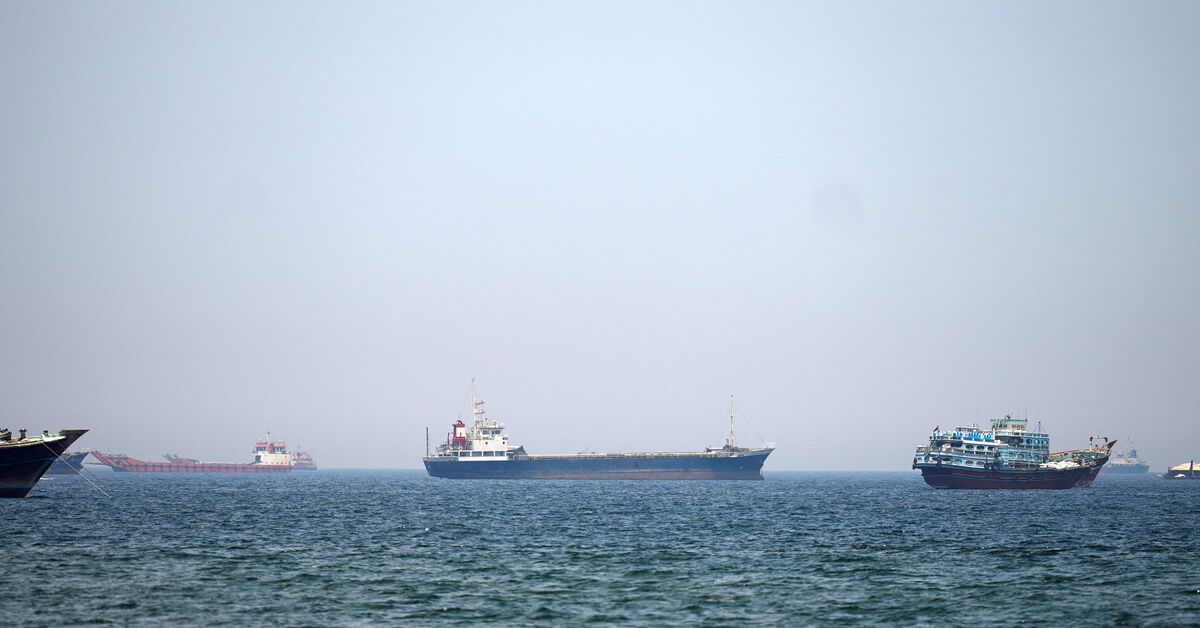
Trump's remarks come at a sensitive time, as the United States continues to exert economic pressure on Iran through sanctions and blockades. Reports suggest that the blockade may expand to include more ports, potentially exacerbating the economic conditions in Iran, which is already suffering from a crippling economic crisis.
These developments coincide with escalating tensions in the Middle East, where the United States seeks to bolster its strategic position against destabilizing Iranian activities. At the same time, Iran faces both internal and external challenges that require it to make decisive decisions regarding its nuclear policy and international relations.
Background & Context
Historically, relations between the United States and Iran have been tense since the Islamic Revolution in 1979. These relations have seen a significant escalation following the U.S. withdrawal from the Iranian nuclear deal in 2018, which led to the re-imposition of strict economic sanctions on Tehran. Since then, Iran has increased its nuclear activities, raising concerns within the international community.
These developments are part of a broader struggle between major powers in the region, as the United States aims to contain Iranian influence in the Middle East. In this context, regional powers such as Saudi Arabia and Israel play a crucial role in shaping U.S. policies towards Iran.
Impact & Consequences
Trump's statements may heighten tensions between the United States and Iran, potentially adversely affecting regional stability. If the U.S. continues to extend the blockade, the economic situation in Iran could worsen, leading to popular protests and increased pressure on the Iranian government.
Furthermore, these developments may impact relations between the United States and its allies in the region, as they may need to take clear positions on how to deal with Iran. Simultaneously, Iran may seek to strengthen its alliances with other countries to counter U.S. pressures.
Regional Significance
These events are particularly significant for Arab countries, as any escalation in tensions between the United States and Iran could affect security and stability in the region. Gulf states, in particular, are closely monitoring the situation, as any escalation could have direct implications for their national security.
In conclusion, the question remains how Iran will respond to U.S. pressures and whether it will seek to reach an agreement that safeguards its national interests. Upcoming developments will determine the trajectory of U.S.-Iran relations and their impact on the entire region.