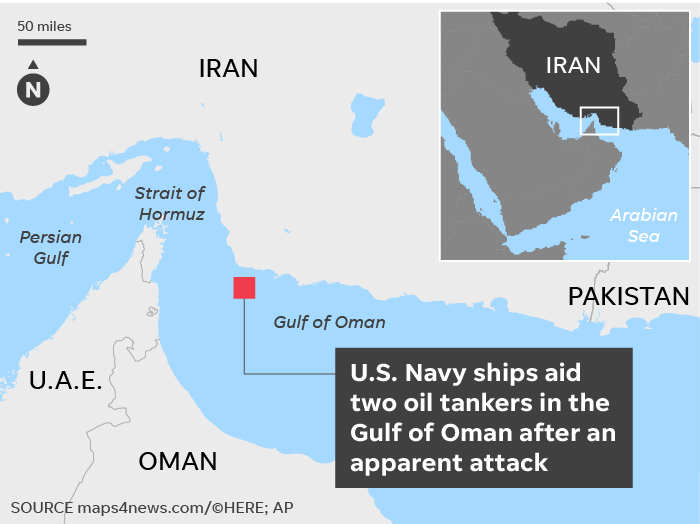
In a special interview with Channel 14, President Donald Trump revealed that the United States is working to control the Strait of Hormuz amid increasing regional tensions linked to Iran. These remarks come at a sensitive time, marking 30 days since the start of the US-Israeli war against Iran, highlighting the escalating crises in the region.
Trump, who outlined his policy towards Iran, emphasized that the alliance between the United States and Israel is a fundamental pillar in facing regional challenges. He noted that controlling the Strait of Hormuz is a strategic step aimed at enhancing US national security and ensuring the flow of oil from the Arabian Gulf, which is considered the lifeblood of global economies.
Details of the Event
During the interview, Trump discussed the importance of the Strait of Hormuz, through which approximately 20% of the world's total oil passes. He confirmed that the United States will work to enhance its military presence in the region to ensure that maritime navigation is not threatened. These statements come at a time when relations between the United States and Iran are increasingly strained, especially following repeated attacks on oil tankers in the Gulf.
Trump also indicated that the alliance with Israel is part of his broader strategy to counter Iranian influence in the region. He considered this military and political cooperation essential to address the security challenges faced by both countries.
Background & Context
Historically, the Strait of Hormuz is a vital strategic point, having witnessed numerous crises and conflicts. Since the Iranian Revolution in 1979, relations between Iran and the United States have been marked by ongoing tension, leading to increased military conflicts in the region. In recent years, tensions have notably escalated, particularly after the United States withdrew from the Iranian nuclear deal in 2018.
Trump's recent statements come at a sensitive time as the Iranian regime seeks to bolster its regional influence by supporting militias in Iraq, Syria, and Lebanon. This situation complicates the security landscape in the region, making control of the Strait of Hormuz of utmost importance for the United States and its allies.
Impact & Consequences
Through this strategy, the United States aims to reduce its dependence on Iranian oil and enhance the security of its allies in the region. However, these steps may escalate tensions with Iran, potentially negatively impacting regional stability. Any military escalation in the Strait of Hormuz could affect global oil prices, leading to widespread economic repercussions.
On the international stage, these statements may increase pressure on European countries that are trying to maintain the nuclear deal with Iran, potentially creating a divide in the international community on how to address Iranian threats.
Regional Significance
The Arab countries neighboring the Strait of Hormuz, such as Saudi Arabia and the United Arab Emirates, are among the most affected by tensions in the region. Any military escalation could impact the stability of these countries and increase the risks of regional conflicts. Moreover, maritime security in the Gulf is vital for these nations, as their economies heavily rely on oil exports.
In conclusion, Trump's recent statements reflect the strategic directions of the United States in the region and highlight the complex challenges it faces amid escalating tensions with Iran. The question remains open regarding how these policies will affect regional security and the stability of global markets.