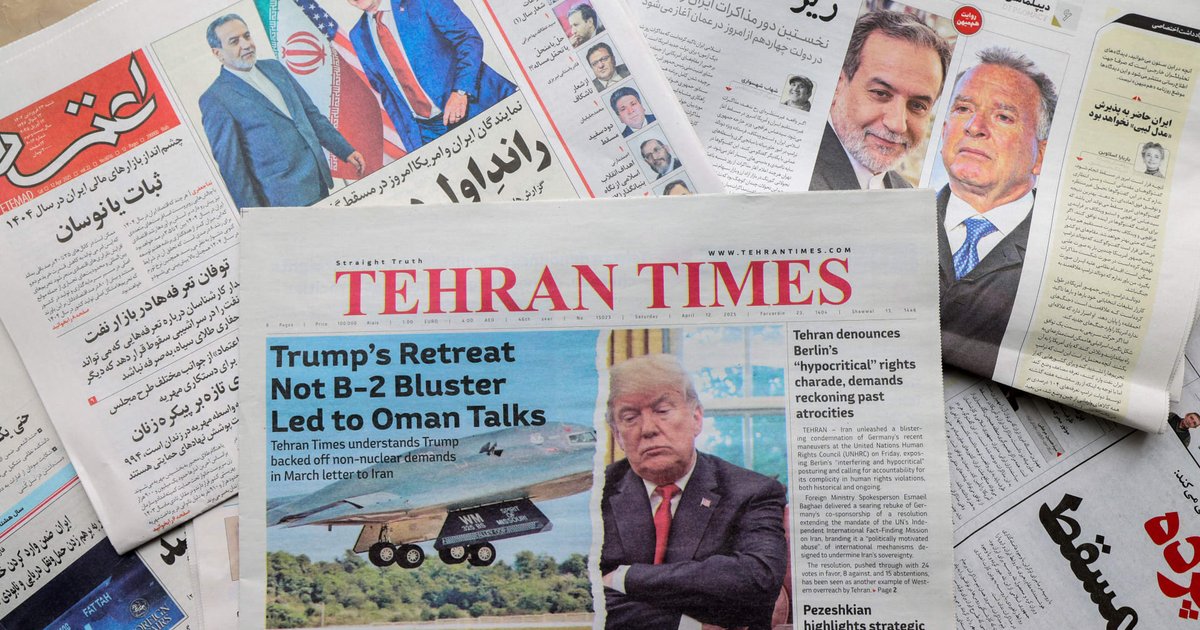
U.S. President Donald Trump has warned Iran that it has a maximum of 48 hours to fully reopen the Strait of Hormuz, or it will face military strikes targeting its power stations. This warning was conveyed in a post Trump made on his social media platform, 'Truth Social', where he affirmed that should Iran fail to comply, the United States would 'remove' key power stations starting with the largest ones.
These statements are indicative of a new escalation in tensions between the United States and Iran, particularly given the strategic significance of the Strait of Hormuz, which is considered a lifeline for about 20% of the world's oil. The Strait of Hormuz is a vital transit point contributing to the transportation of oil from Gulf countries to global markets, witnessing heavy traffic from cargo ships daily.
The roots of the current tensions stem from several factors, including U.S. sanctions imposed on Iran due to its nuclear program and support for armed groups in the region. Recently, there has been an increase in military activities on both sides, with naval skirmishes escalating between Iranian and American forces in the waters of the Arabian Gulf, creating a state of instability and heightened conflicts in the region.
Concerns are growing that any potential military escalation could have dire consequences not only for Iran but also for the global economy, particularly in the energy sector. Recently, the United States has increased its military presence in the region in conjunction with Iranian threats, complicating matters and emphasizing the strained relations.
These developments bear significant implications for energy policies and global oil prices, as any military action could dramatically raise prices. The world currently needs stability in energy markets more than ever, especially amid ongoing economic crises and the persistent pandemic.
Trump's warning serves as a reminder that tensions in the region remain high, with a strong likelihood of military escalation at any moment. This situation complicates security dynamics in the Gulf, necessitating urgent diplomatic actions from regional and major powers to de-escalate tensions.
The threats made by Trump come at a very sensitive time as U.S.-Iran relations reach an unprecedented crisis, with calls for negotiations on the Iranian nuclear file potentially backfiring amid such hardline statements. Allies of the United States in the region are also concerned, as this escalation reflects their fears of any scenarios leading to war.
In the context of the Arab region, these statements hold particular significance, as Gulf Cooperation Council countries are wary of any military escalation that might stem from endless internal conflicts or new existential challenges. Countries like Saudi Arabia and the UAE have vital interests linked to these waters, while some non-state actors might benefit from this chaos to expand their influence in the region.
The Red Sea and Strait of Hormuz are strategic areas for many naval powers, making them susceptible to new conflicts. Therefore, diplomatic options remain the best tool to avoid catastrophe, requiring serious efforts from all parties to enhance security and stability.
In summary, Trump's threats represent a serious escalation that carries unwanted consequences for both Iran and the United States and the Middle East as a whole, necessitating an immediate response from the international community to prevent igniting the security situation in the region.