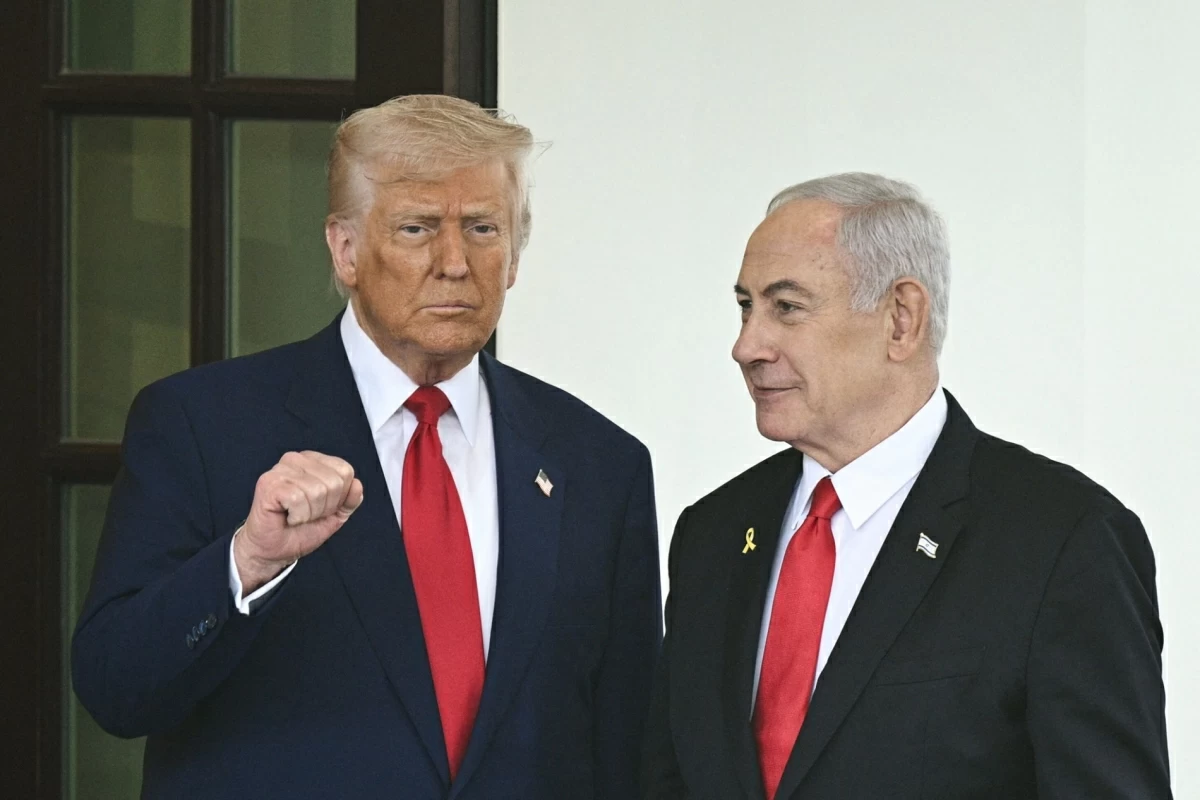
In a stark warning just 24 hours before a deadline, U.S. President Donald Trump cautioned Iran to choose between reaching a peace agreement or facing 'hell' due to potential strikes on energy and electricity infrastructure.
As the second deadline approaches, with only 24 hours remaining until April 6—the date Trump previously set for an agreement—Israel announced it had attacked over 120 Iranian targets in central and western Iran within a single day.
Israeli Military Actions Against Iranian Targets
The Israeli army confirmed via Telegram that it targeted an industrial complex in the city of Mahshahr, located in southwestern Iran, which is used for producing chemical materials for weapon manufacturing. They stated that the target included one of two main facilities that produce materials for explosives, ballistic missiles, and other weapon systems.
In response, the governor of Mahshahr reported that three strikes were recorded in the area. The semi-official Iranian news agency Tasnim reported that several petrochemical companies were bombed during these attacks.
Israeli Response and Regional Tensions
Conversely, the Israeli army reported that a missile struck an uninhabited area in southern Israel overnight, with no injuries reported. The Times of Israel clarified that these attacks are part of a strategy aimed at increasing pressure on Tehran.
This escalation of military actions comes amid rising tensions between the U.S. and Iran, with Trump's ultimatum adding urgency to the situation. The Israeli strikes are seen as a direct response to Iran's ongoing military activities and its influence in the region.
Background & Context
The backdrop of this conflict is rooted in the long-standing animosity between the U.S. and Iran, particularly following the U.S. withdrawal from the nuclear agreement in 2018. Since then, tensions have escalated, with both sides engaging in a series of confrontations.
Trump's administration has adopted a hardline stance against Iran, emphasizing the need for a new agreement that addresses not only nuclear capabilities but also Iran's regional influence and missile programs. The April 6 deadline is a critical moment that could either lead to a diplomatic breakthrough or further military escalation.
Impact & Consequences
The potential consequences of this situation are significant. Should Iran fail to respond positively to the U.S. demands, it could face increased military actions from Israel and possibly the U.S. itself. This could lead to a broader conflict in the region, affecting not only Iran but also its allies and neighboring countries.
Moreover, the economic ramifications could be severe, with potential disruptions to oil supplies and increased volatility in global markets. The situation remains precarious, and the international community is closely monitoring developments.
Regional Significance
The implications of this conflict extend beyond U.S.-Iran relations. Israel's military actions highlight its commitment to countering Iranian influence in the region, particularly in Syria and Lebanon. This could lead to a realignment of alliances and increased tensions among regional players.
As the deadline approaches, the stakes are high, and the potential for miscalculation exists. The world watches closely as both sides navigate this complex and dangerous landscape.
In conclusion, the current situation represents a critical juncture in U.S.-Iran relations. The choices made in the coming hours and days could have lasting repercussions for the region and beyond.