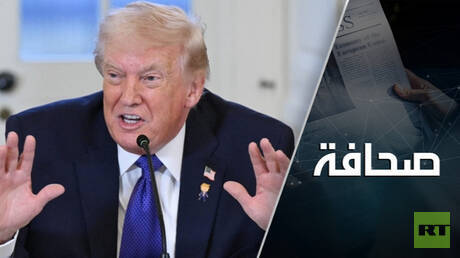
The repercussions of former President Donald Trump's economic policies continue to affect the U.S. economy. His administration witnessed a mix of economic indicators, sparking widespread debate about the long-term effects of these policies.
Initially, Trump announced a series of measures aimed at boosting economic growth, including tax cuts and increased infrastructure spending. These policies resulted in a temporary recovery in financial markets, with stocks reaching record levels.
Details of the Event
Despite the apparent recovery, many economists warned that these policies could exacerbate the budget deficit and increase public debt. Data showed that the federal deficit reached unprecedented levels, raising concerns about long-term financial sustainability.
Moreover, Trump's tenure also saw escalating trade tensions with countries like China, where the U.S. imposed tariffs on a range of Chinese goods. This led to reciprocal reactions from Beijing, negatively impacting global trade and causing declines in certain economic sectors.
Background & Context
Historically, the U.S. economy has experienced numerous fluctuations, but Trump's era was distinctive due to a focus on protectionist policies. These policies emerged at a time when the United States was grappling with economic challenges such as unemployment and slow growth in some sectors.
Additionally, there was widespread criticism of the economic policies pursued by the previous administration, with some arguing that the focus on tax cuts came at the expense of the middle and lower classes, widening the economic gap in American society.
Impact & Consequences
The repercussions of Trump's policies extend beyond the U.S. economy, affecting international relations and raising fears of escalating trade disputes. These policies may also impact foreign investments in the United States, as companies might hesitate to inject new investments amid economic uncertainty.
Furthermore, the effects of these policies could extend to future generations, as the U.S. economy will face challenges related to rising debt and budget deficits, potentially affecting the government's ability to fund social programs and public services.
Regional Significance
The Arab region is directly affected by U.S. economic policy decisions, as many countries rely on trade and investment relations with the United States. Protectionist policies may reduce trade opportunities for Arab nations, negatively impacting their economies.
Additionally, trade tensions could lead to rising prices in Arab markets, affecting citizens' purchasing power. Under these circumstances, Arab countries need new strategies to adapt to global economic changes.
In conclusion, the impact of Trump's policies on the U.S. economy remains a contentious issue. While some policies yielded positive short-term results, the looming challenges require careful analysis and effective responses from policymakers.