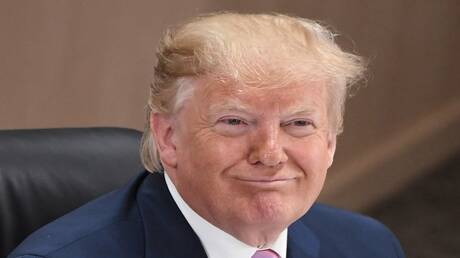
In a controversial statement, Kirill Dmitriev, CEO of the Russian Direct Investment Fund, asserted that U.S. President Donald Trump's recent remarks about the North Atlantic Treaty Organization (NATO) reflect the alliance's weakness and unreliability, likening them to a 'tombstone' for the alliance. These comments come at a time when the world is witnessing increasing geopolitical tensions, raising concerns about the future of military cooperation among NATO member states.
Trump's statements are part of a broader pattern of criticism towards NATO, where the U.S. president has expressed dissatisfaction with some member countries' commitments to their financial contributions. These remarks have elicited mixed reactions among allies, with some viewing them as a sign of declining American commitment to the alliance, while others see them as a call to reassess roles and responsibilities within NATO.
Details of the Event
In recent years, NATO has faced numerous challenges, ranging from security crises in the Middle East to tensions with Russia. Trump's comments have intensified the debate over the alliance's effectiveness and its ability to confront new threats. In this context, Dmitriev believes that Trump's remarks reflect a painful reality for NATO, as the alliance has lost part of its strength and influence on the international stage.
These statements coincide with growing fears of escalating regional conflicts, placing NATO in a real test of its capabilities to address new challenges. Dmitriev pointed out that these remarks could lead to the disintegration of the alliance if not handled carefully.
Background & Context
NATO was established in 1949 as a military alliance aimed at enhancing the collective security of member states against external threats. Over time, the alliance has faced numerous challenges, including wars in the Balkans, crises in Afghanistan, and threats from terrorist organizations. However, Trump's recent statements reflect a shift in U.S. policy towards NATO, raising questions about the future of the alliance.
Since taking office, Trump has adopted controversial stances towards NATO, urging member states to increase their defense spending, which has led to tensions between the United States and its allies. These stances have affected relations among member countries, prompting some experts to question NATO's ability to remain an effective alliance in the future.
Impact & Consequences
Trump's remarks could have negative effects on NATO's unity, as they may encourage some member states to reassess their commitments to the alliance. If these dynamics continue, NATO may find itself in a weakened position against increasing global threats, such as Russian expansion in Eastern Europe or tensions in the Middle East.
Moreover, these statements could bolster isolationist sentiments in some countries, potentially undermining international cooperation in security and defense. The loss of trust among member states may adversely affect joint military operations and coordination in facing threats.
Regional Significance
In the Arab region, these developments could impact regional stability, as many countries rely on NATO support to address security threats. If NATO continues to weaken, Arab nations may find themselves compelled to seek new alliances or enhance their military capabilities independently.
Additionally, a decline in NATO's role could lead to increased Russian influence in the region, altering the balance of power in the Middle East. This situation may raise concerns among many Arab countries striving to maintain their stability and security.
In conclusion, Trump's remarks about NATO reflect a significant shift in U.S. policy towards the alliance, raising questions about the future of international military cooperation. Amid increasing challenges, there remains hope that member states can overcome these crises and restore trust in the alliance.