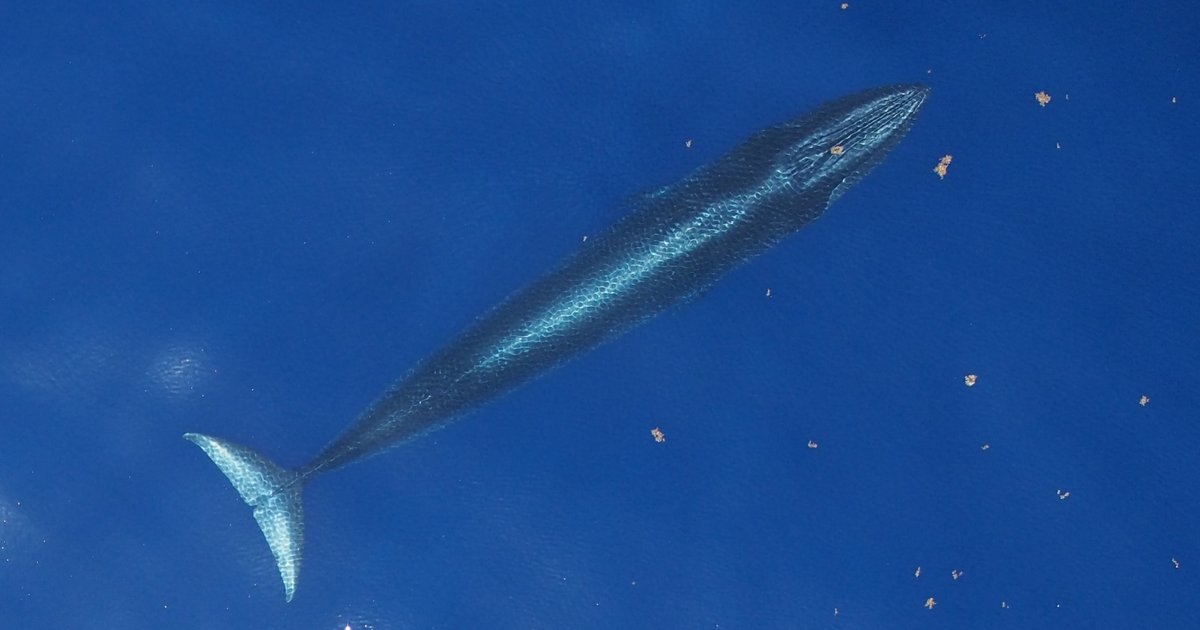
Trump's administration is encountering a new obstacle in its plans to expand oil exploration in the Gulf, stemming from the presence of a rare species of whale known as the Rice whale. This species, considered endangered, may affect the future of drilling projects in the area. The Rice whale is believed to inhabit the waters of the Persian Gulf, raising concerns about the impact of exploration activities on its natural habitat.
The Rice whale, recognized as one of the largest whale species, is characterized by its dark gray color and unique shape. This species is extremely rare, with an estimated remaining population of only about 30 individuals. Such a small number categorizes it as endangered, necessitating protective measures.
Details of the Situation
The Trump administration aims to increase oil drilling operations in the Gulf, which requires conducting environmental studies to assess the impact of these activities on marine life. However, the presence of the Rice whale in the region complicates these plans. This whale species is highly sensitive to changes in its environment, meaning any industrial activity could negatively affect its survival.
The new drilling plans in the Gulf include the excavation of new wells, which could lead to water pollution and increased marine noise, affecting whale behavior. Environmental experts have pointed out that any deterioration in the Rice whale's environment could lead to its extinction.
Background & Context
The Rice whale is a relatively recently discovered species, identified as a distinct species in 2005. It inhabits deep waters near coastlines, making it vulnerable to threats from human activities. Oil drilling operations are one of the most significant threats to this species, leading to the destruction of its natural habitats.
Historically, the Persian Gulf has experienced numerous environmental changes due to industrial activities, negatively impacting biodiversity in the region. With the increasing demand for energy, oil drilling operations have become more common, intensifying pressures on endangered species like the Rice whale.
Impact & Consequences
If the Trump administration's plans proceed without considering the presence of the Rice whale, it could result in severe consequences for the marine environment. Increased pollution and noise from drilling operations could deteriorate the health of the whales, threatening the survival of this rare species. Additionally, the extinction of the Rice whale could have negative effects on the entire ecosystem, as this species plays a crucial role in maintaining marine life balance.
Furthermore, the Trump administration may face widespread criticism from environmental organizations and the international community if it fails to take steps to protect this species. Such criticism could adversely affect the administration's image both domestically and internationally, complicating its efforts to achieve economic goals.
Regional Significance
The presence of the Rice whale in the Persian Gulf serves as a reminder of the importance of preserving biodiversity in the region. Industrial activities, such as oil drilling, pose a real threat to the marine environment, necessitating measures to protect endangered species. Arab nations in the region must recognize the importance of safeguarding the marine environment, not only to preserve rare species but also to ensure the sustainability of natural resources.
In conclusion, the Rice whale symbolizes the challenges facing the marine environment in the Persian Gulf. Preserving this rare species requires collaborative efforts from all stakeholders, including governments, corporations, and civil society, to ensure a sustainable future for the marine environment.