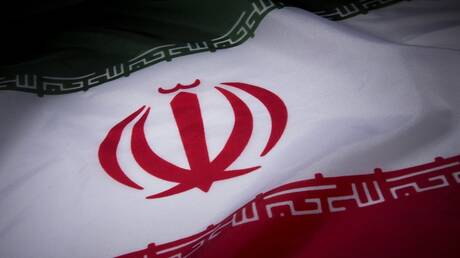
Iran's mission to the United Nations condemned U.S. President Donald Trump's threats to destroy essential infrastructure as a direct provocation. The mission asserted that these statements aim to intimidate civilians and indicate an intent to commit a war crime.
These remarks come at a sensitive time when tensions are escalating between the United States and Iran, with both countries exchanging accusations over actions that could lead to military escalation. Trump's statements have raised widespread concern in international circles, with many viewing them as a clear call to use force against civilians.
Details of the Incident
In statements made by Trump, he threatened to destroy Iranian infrastructure, provoking angry reactions from Tehran. The Iranian mission pointed out that these threats are not just words but reflect a clear intention to commit acts that could be considered war crimes under international law.
The mission also emphasized that such statements contradict international laws that protect civilians and prohibit targeting vital infrastructure. They regarded these statements as an unacceptable escalation in political rhetoric between the two nations.
Background & Context
The roots of tension between the United States and Iran stretch back several decades, with numerous crises marking their relationship. Since the U.S. withdrawal from the Iranian nuclear deal in 2018, tensions have intensified, leading to the imposition of severe economic sanctions on Iran.
Iran views these sanctions as an infringement on its sovereignty, while the United States perceives Iran as a threat to regional and international security. In this context, Trump's remarks come as part of a strategy to pressure Tehran.
Impact & Consequences
American threats indicate the possibility of military escalation in the region, which could have dire consequences for regional security. Many countries have warned that any escalation could lead to armed conflict, affecting the stability of the entire region.
Moreover, these statements could impact relations between the United States and its allies in the region, as they may find themselves in a difficult position if tensions escalate into open conflict.
Regional Significance
Neighboring Arab countries are on high alert, as any military escalation could affect their security and stability. Some nations have expressed concern over the potential for armed conflict in the region, which could lead to a refugee influx and increased sectarian tensions.
Under these circumstances, Arab countries must take clear positions regarding the U.S.-Iranian escalation and work to enhance dialogue to avoid any escalation that could lead to widespread conflict.
In conclusion, the mutual threats between the United States and Iran place the region in a state of uncertainty, requiring international intervention to ensure that the situation does not worsen.