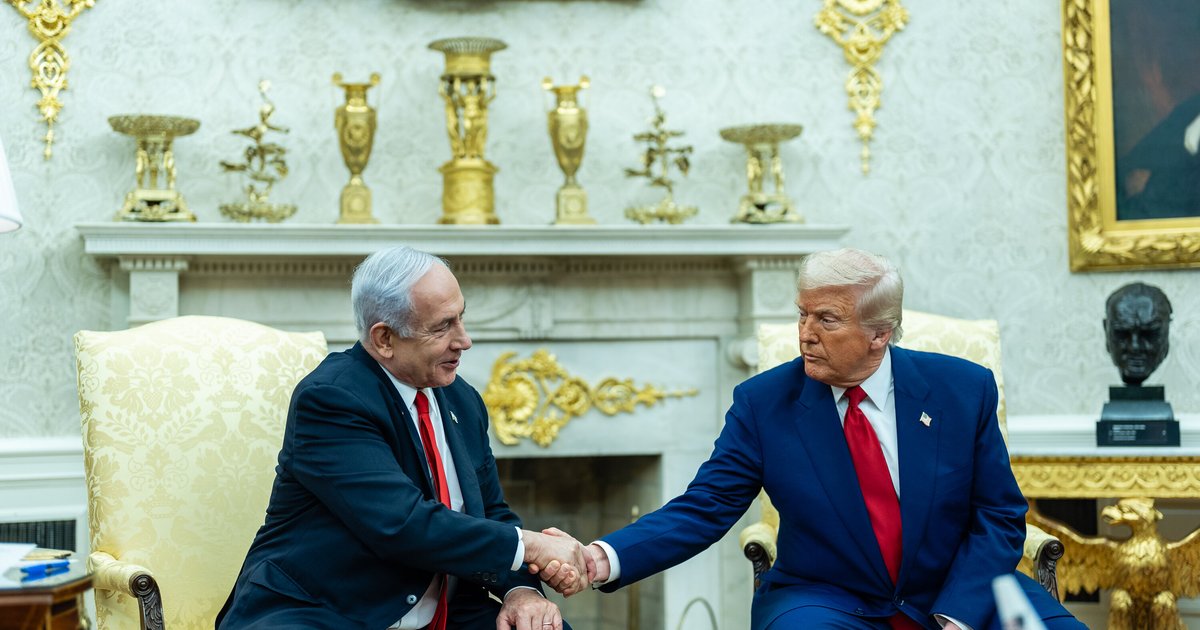
In an article published by the New York Times, University of Chicago political science professor Robert E. Pape reveals how the conflict led by President Donald Trump and Israeli Prime Minister Benjamin Netanyahu against Iran has transformed it into a prominent global power. The article discusses how this conflict has challenged prevailing geopolitical assumptions.
Concerns are growing that American and Israeli policies towards Iran may lead to counterproductive outcomes, as Iran has become more powerful and influential on the international stage. Pape notes that this war has not only strengthened Iran's position but has also reshaped alliances in the region.
Details of the Event
In recent years, there has been a prevailing belief that the global order is moving towards a new balance, with the decline of traditional powers in favor of the rise of new ones. However, the military escalation against Iran, represented by sanctions and proxy wars, has shown that this strategy has not achieved its goals. On the contrary, it has contributed to strengthening Iran's position as a regional power.
Pape also pointed out that the alliance between the United States and Israel may have negative effects on regional stability, as tensions between Iran and neighboring countries have intensified. This situation could lead to an escalation of conflicts in the region, complicating the geopolitical landscape.
Background & Context
Historically, Iran has been considered an important regional power, but the sanctions and wars led by the United States have increased Iran's isolation. However, these policies have strengthened ties between Iran and its allies, such as Russia and China, contributing to its enhanced status on the international stage.
These dynamics are part of a broader struggle among major powers, as the United States, Russia, and China seek to achieve their interests in the Middle East. This struggle reflects the increasing geopolitical competition that affects regional and international stability.
Impact & Consequences
The consequences of these policies are manifold, as they could lead to an escalation of armed conflicts in the region. Additionally, Iran's strengthened position may alter the balance of power, forcing other countries to reevaluate their strategies.
Moreover, this situation could impact global energy markets, as many countries rely on Iranian oil. Any escalation in the conflict could lead to significant fluctuations in oil prices, affecting the global economy.
Regional Significance
For Arab countries, the rising power of Iran may raise concerns, especially amid existing tensions between Iran and some Gulf states. This situation could lead to increased sectarian tensions and regional conflicts, threatening stability in the area.
Ultimately, the current situation requires Arab countries to adopt clear strategic positions to address the challenges posed by Iran's rise as a global power. There must be joint efforts to enhance security and stability in the region, avoiding a slide into further conflicts.