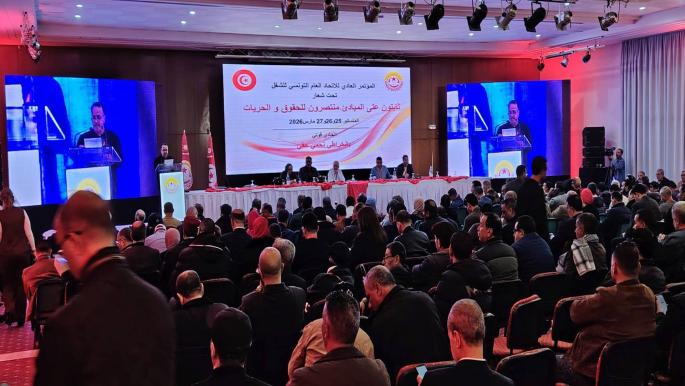
The new leadership of the Tunisian Labor Union is facing major challenges that require them to gain the trust of their base and renew union discourse. In the current circumstances, the union must open dialogue channels with the presidency, in addition to developing an effective action plan to protect its interests and position in the political and social arena.
These challenges come at a sensitive time for Tunisia, where the union seeks to enhance its role as an active social force. Previous experiences have shown that the union's ability to adapt to political and economic changes is one of the key factors for its success and sustainability.
Event Details
The new leadership of the Tunisian Labor Union was elected at a time when the country is experiencing political and economic instability. The union, which is one of the oldest and most important unions in the Arab world, aims to rebuild its relationships with the grassroots and enhance mutual trust. In this context, several new leaders emphasized the need to renew union discourse to be more aligned with the aspirations of youth and workers.
The union is also looking to open constructive dialogue with the presidency, as dialogue with the government is deemed essential to achieve workers' interests and ensure their rights. Observers indicate that this step could be the key to achieving social and political stability in the country.
Background & Context
The Tunisian Labor Union was established in 1946 and has played a pivotal role in Tunisia's history, especially during periods of political transformation. Since the Tunisian revolution in 2011, the union has become a key player in political life, contributing to many national dialogues that led to the formation of new governments.
However, the economic and social challenges facing Tunisia today require the union to reassess its strategies. The country has witnessed rising unemployment rates and a decline in living standards, increasing pressure on the union to provide effective solutions.
Impact & Consequences
If the new leadership can gain the trust of the grassroots, it could strengthen the union's position in the political arena. Additionally, dialogue with the government may contribute to achieving social stability, which would benefit the national economy.
Conversely, if the new leadership fails to address these challenges, it could lead to a erosion of trust between the union and its base, negatively impacting the country's stability. Therefore, the success of the new leadership heavily depends on its ability to communicate effectively with workers and meet their demands.
Regional Significance
The experience of the Tunisian Labor Union serves as a model in the Arab world, as it can inspire other unions in the region to enhance their role in political and social life. Given the common challenges faced by many Arab countries, there may be an urgent need to renew union discourse and strengthen dialogue between unions and governments.
The success of the Tunisian Labor Union could contribute to strengthening labor movements in neighboring countries, potentially leading to positive changes in social and economic policies in the region.
In conclusion, the Tunisian Labor Union remains at the heart of political and social events, requiring it to adapt to rapid changes and work to achieve workers' interests in complex circumstances.