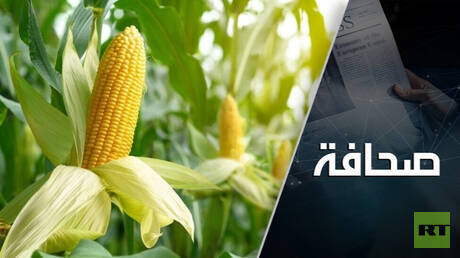
Turkey has recently seen a substantial increase in imports of Russian corn, with demand surging by a factor of seven. This increase reflects the competitive advantages that Russian corn possesses, making it the preferred choice for many countries, including Turkey.
Russian corn is considered a strategic agricultural crop, known for its high quality and competitive prices. Favorable climatic conditions in Russia have contributed to increased corn production, enabling it to meet the needs of foreign markets.
Details of the Event
Reports indicate that Turkey, one of the largest grain importers in the world, has significantly increased its reliance on Russian corn. Experts have noted that this surge comes amid rising demand for corn in the Turkish market, where it is utilized in various food industries.
This increase in imports occurs at a sensitive time for the Turkish economy, as the country seeks to enhance its food security and meet local market demands. Russian agricultural policies have bolstered the competitiveness of corn, making it the top choice for many importing countries.
Background & Context
Historically, Russia has been one of the largest grain producers in the world, and recent years have seen a notable increase in its corn production. Agricultural innovations and modern technology have helped improve crop quality and increase productivity.
Conversely, Turkey faces challenges in grain production due to changing climatic conditions, leading to a greater reliance on imports. This has strengthened trade relations between Turkey and Russia in agriculture, as both countries seek to achieve their economic interests.
Impact & Consequences
This increase in imports of Russian corn is a strategic move for Turkey, enhancing its ability to secure its food needs. It also reflects shifts in the global corn market, where competition among producing countries is intensifying.
On the other hand, this increase may affect corn prices in global markets, as prices are expected to fluctuate due to rising demand from Turkey. This dynamic could also impact other corn-exporting countries, creating new challenges in the market.
Regional Significance
The Middle East is one of the largest grain importers, including corn. Therefore, Turkey's increase in Russian corn imports may influence market dynamics in the region, as other countries may seek to strengthen their trade relations with Russia.
At the same time, these developments may increase competition among Arab countries in grain imports, requiring them to take strategic measures to ensure their food security.
In conclusion, the significant increase in Turkey's imports of Russian corn reflects changes in the global market and highlights the importance of enhancing cooperation among countries in agriculture and food security.