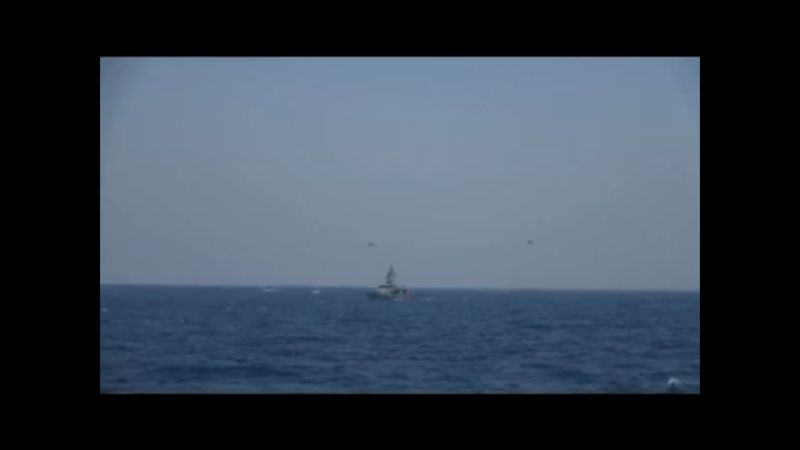
Turkey's Transport Minister has announced that there are 11 ships stuck in the Hormuz Strait, where these vessels are awaiting passage while negotiations are ongoing with Iran. These developments come at a time when the strait, considered one of the most important maritime passages in the world, is experiencing increasing tensions among the involved countries.
These ships are part of international trade, with approximately 20% of the world's oil passing through the Hormuz Strait. Therefore, any delay in the passage of these vessels could significantly impact oil prices and global markets.
Details of the Negotiations
The Turkish Transport Minister clarified that the negotiations with Iran aim to facilitate the passage of the stuck ships, as Turkey seeks to ensure the safety and security of these vessels. At the same time, the importance of these negotiations is highlighted in the context of Turkish-Iranian relations, which have experienced fluctuations in recent years.
It is noteworthy that the Hormuz Strait is a vital point in global trade, with nearly 17 million barrels of oil passing through it daily. Thus, any disruption in the movement of ships could lead to negative impacts on the global economy.
Background & Context
Historically, the Hormuz Strait has witnessed numerous crises and tensions, especially during periods of conflict between Iran and Western countries. In recent years, tensions have escalated due to sanctions imposed on Iran and regional disputes. These factors have contributed to the increasing importance of negotiations between Turkey and Iran to ensure the stability of trade movements in the region.
Additionally, Turkish-Iranian relations have improved in some areas, such as economic and security cooperation, which may facilitate the passage of the stuck ships. However, significant challenges remain in these relations, including differences in regional policies.
Impact & Consequences
These negotiations are considered an important step towards reducing tensions in the region, as they could lead to improved relations between Turkey and Iran. If the negotiations succeed, this could contribute to enhancing stability in the Hormuz Strait, benefiting the global economy.
On the other hand, failure of the negotiations could exacerbate tensions, negatively affecting trade movements and increasing oil prices. Therefore, the success of these negotiations is vital not only for Turkey and Iran but for the entire world.
Regional Significance
The Arabian Gulf region is one of the most affected areas by developments in the Hormuz Strait, as many Arab countries depend on oil passing through this strait. Thus, any tension in this area could directly impact oil prices and Arab economies.
Moreover, improving relations between Turkey and Iran could contribute to achieving a form of stability in the region, which may benefit Arab countries. However, Arab nations must remain cautious of any shifts that could affect their interests in the region.
In light of these circumstances, the negotiations between Turkey and Iran regarding the stuck ships in the Hormuz Strait remain a vital topic that requires close monitoring, as their outcomes could significantly impact global trade and regional stability.