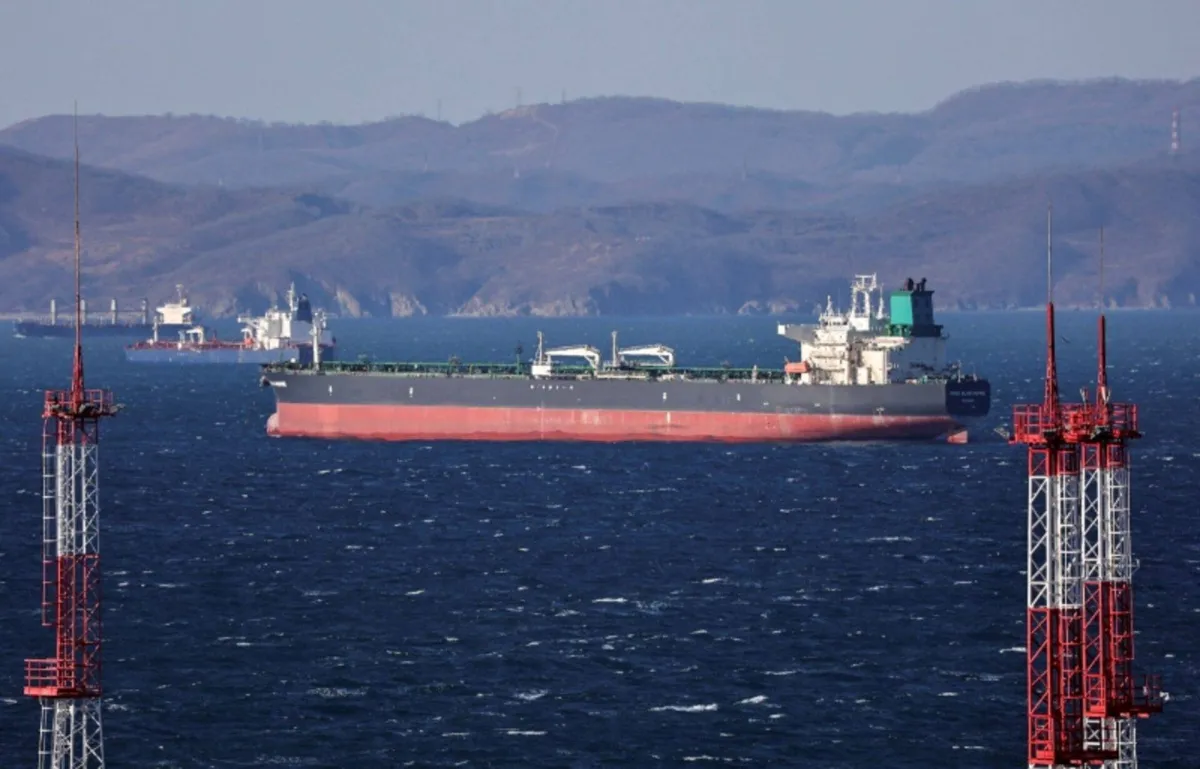
Turkey is preparing to significantly reduce its imports of Russian Urals crude oil, which are expected to hit their lowest levels in about a year and a half. According to data from the London Stock Exchange Group and the company 'Kpler', imports from the Baltic and Black Sea ports are projected to drop to around 161,000 barrels per day this month.
Turkey is the largest importer of Russian crude oil transported by sea through the Mediterranean, and it ranks as the third-largest importer globally, following India and China. The country primarily focuses on importing Urals crude, with minimal imports of other types.
Details of the Situation
Data from 'Kpler' indicates that Turkey's average imports of Urals crude were 189,000 barrels per day from January to April, while imports in May 2025 reached 302,000 barrels per day. This decline occurs at a time when the global market is experiencing rising oil prices due to the closure of the Strait of Hormuz and other factors.
A trader from a major Western company reported that Turkey has been accustomed to purchasing Russian oil at discounted prices but is currently unwilling to buy at higher rates. Additionally, two other sources noted that the decrease in shipments to Turkey in April and May was due to increased demand in Asia, particularly from India.
Background & Context
Historically, Turkey has heavily relied on Russian oil; however, changes in the global market, including persistent price increases, may affect its oil import strategies. Following the outbreak of the war in Iran, the Urals crude premium has risen, complicating the situation further.
In the first half of May, Russia increased oil shipments from its western ports by approximately 9 percent, indicating that the market remains influenced by geopolitical changes. Nevertheless, Turkey faces challenges in meeting its oil needs amidst these fluctuations.
Impact & Consequences
The expected decline in Turkey's imports of Russian oil is likely to impact the Turkish economy, especially given its heavy reliance on imported energy. Additionally, rising oil prices may contribute to increased inflation in the country, placing additional pressure on the government.
Attention is turning to how Turkey will respond to these challenges, particularly amid increasing competition from other countries seeking Russian oil. It is anticipated that Turkey will partially compensate for this decline by increasing its imports of the 'CBC' blend from the Caspian Sea region.
Regional Significance
These developments are significant for the Arab region, as changes in the global oil market reflect broad impacts on the economies of Arab countries that rely on oil exports. Moreover, rising prices may affect economic stability in some nations.
In conclusion, these shifts in Turkey's imports of Russian oil reflect the ongoing challenges faced by energy-importing countries amid changing geopolitical conditions.