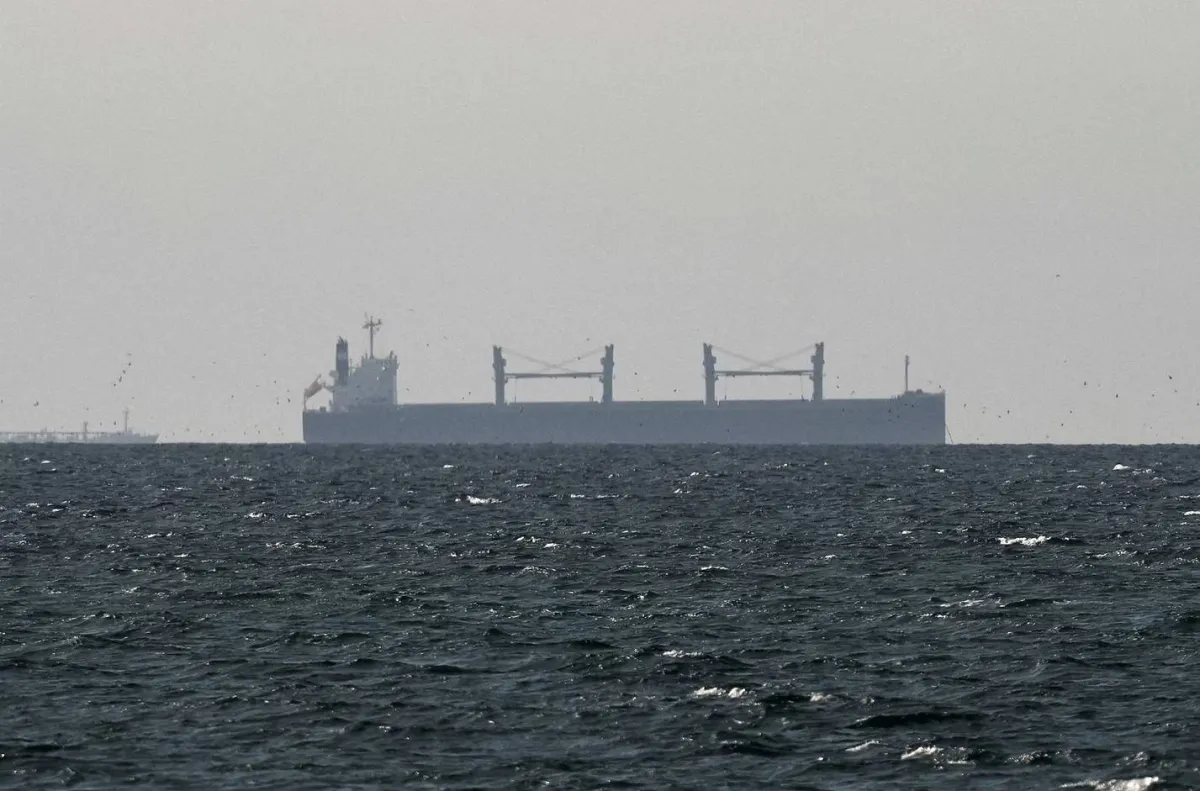
Two liquefied natural gas carriers flying the Indian flag, 'Green Asha' and 'Green Sanvi', have departed the Gulf region loaded with fuel shipments bound for India. This move occurs during a time when India is experiencing its worst gas crisis in decades, prompting the government to take measures to protect households from a potential cooking gas shortage.
Tracking data from the London Stock Exchange and the information company 'Kpler' indicates that a third vessel named 'Jag Vikram' remains in the western part of the Strait of Hormuz. The ongoing conflict between the United States and Israel on one side and Iran on the other has nearly halted navigation through the strait, although Iran has confirmed that non-hostile vessels can pass if they coordinate with Iranian authorities.
Details of the Event
Data shows that the carriers 'Green Asha' and 'Green Sanvi' have crossed the Gulf and are now in the eastern part of the strait. This brings the total number of liquefied natural gas carriers flying the Indian flag that have crossed the strait to eight vessels. The Indian government is working to clear its stranded liquefied natural gas shipments from the strait, with other carriers such as 'Sivalik', 'Nanda Devi', 'Pine Gas', 'Jag Vasant', 'P.W Elm', and 'P.W Tire' already having arrived in India.
India, the second-largest importer of liquefied natural gas in the world, is facing a severe supply crisis. The government has reduced supplies allocated to industrial sectors in an attempt to safeguard households from any potential cooking gas shortages. Over the past year, the country consumed approximately 33.15 million tons of liquefied natural gas, with imports accounting for about 60% of demand, and around 90% of those imports coming from the Middle East.
Background & Context
These developments coincide with rising tensions in the region, where the war in Iran has led to a sharp increase in oil and gas prices, adding pressure on energy-importing countries. Reports indicate that the European Commission is urging member states to take cautious actions in response to rising energy prices, reflecting growing concerns about the impact of regional conflicts on global markets.
India is seeking to bolster its liquefied natural gas shipments under these challenging circumstances, as it continues to load gas shipments onto its empty vessels stranded in the Gulf. This approach reflects the urgent need to secure energy supplies at a time of increasing economic pressures.
Impact & Consequences
India anticipates that this crisis will affect economic growth, as rising energy prices may lead to decreased consumption and increase inflationary pressures. The 'Bank of Japan' has noted that rising oil and gas prices could harm the economy, increasing uncertainty about the potential for future interest rate hikes.
Indian companies have also begun to express concerns about the impact of rising energy prices on their profits, which could lead to a decline in investments and economic growth. Under these circumstances, the Indian government remains under significant pressure to secure energy supplies and stabilize the market.
Regional Significance
These developments are of great importance to the Arab region, as many countries rely on energy exports to India. Additionally, escalating tensions in the region could impact the stability of global energy markets, potentially leading to price increases and affecting regional economies.
In conclusion, the liquefied natural gas crisis in India remains a central issue that requires international attention, as the country seeks to secure its supplies amid challenging economic conditions and increasing regional tensions.