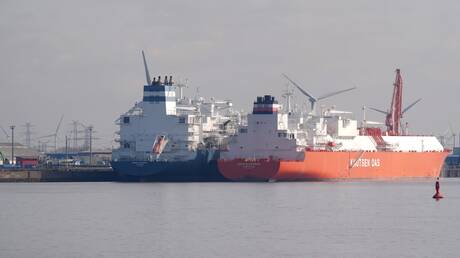
Bloomberg reports that two liquefied natural gas carriers from Qatar are heading towards the Strait of Hormuz, marking a historic step in gas exports from the region since the conflict began and the closure of this vital passage.
This move is a significant milestone in the trajectory of Qatari gas exports, occurring at a time when the world is experiencing increasing political and economic tensions. The Strait of Hormuz, one of the most important maritime passages globally, has faced temporary closures due to ongoing conflicts, significantly impacting global trade flows.
Details of the Shipment
The first carrier, loaded with liquefied natural gas, departed from the Ras Laffan port in Qatar, while the second carrier is following the same route. These vessels represent part of Qatar's efforts to enhance its gas exports in light of the growing energy demand in global markets.
This initiative comes after a period of heightened tensions in the region, where navigation through the Strait of Hormuz has been severely affected by ongoing conflicts. Nevertheless, it appears that Qatar is striving to reclaim its position as a key gas supplier in the global market.
Background & Context
The Strait of Hormuz is a critical transit point for oil and gas transport, with approximately 20% of the world's oil supplies passing through it. Historically, the strait has witnessed numerous crises, including military conflicts and political tensions among neighboring countries. In recent years, the importance of natural gas as an alternative to oil has increased, positioning Qatar, which holds the world's third-largest natural gas reserves, as a pivotal player in meeting global energy needs.
As the world shifts towards cleaner energy sources, Qatar's natural gas exports are becoming increasingly vital. The country's strategic initiatives to expand its gas production capabilities are crucial in the context of global energy security.
Impact & Consequences
This move could lead to an improvement in Qatar's economic situation, contributing to increased revenues from gas exports. Additionally, the resumption of navigation through the Strait of Hormuz may restore confidence in global markets, aiding in stabilizing energy prices. Furthermore, this step may encourage other countries to resume exporting gas and oil through the strait, enhancing regional stability and reducing risks associated with conflicts.
As global energy dynamics evolve, the implications of Qatar's actions could resonate beyond its borders, influencing energy policies and trade routes worldwide.
Regional Significance
This development is significant for the Arab region as a whole, reflecting the ability of countries to overcome security and economic challenges while enhancing cooperation among gas-producing nations. The successful transit of these gas carriers through the Strait of Hormuz could symbolize a turning point in regional energy cooperation.
In conclusion, Qatar's strategic move to export gas through the Strait of Hormuz not only underscores its resilience in the face of adversity but also highlights the critical role of energy in shaping geopolitical landscapes.