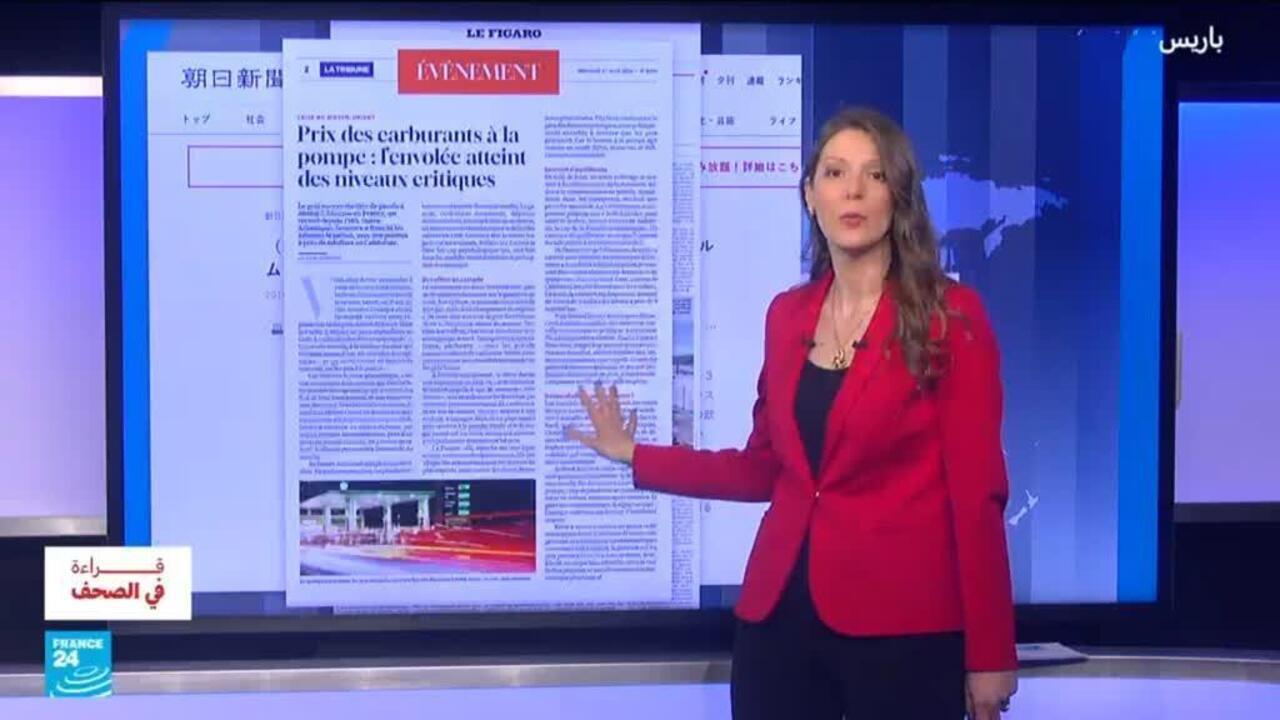
The United Arab Emirates has announced its readiness to support the United States and its allies in military intervention if necessary to ensure freedom of navigation in the Hormuz Strait, according to an exclusive report by The Wall Street Journal. This move reflects the UAE's commitment to maritime security in a region considered one of the most strategically important in the world.
In this context, The Daily Telegraph addressed the gaps in the British defense system, highlighting the need for increased defense spending to face growing challenges. This comes at a time when geopolitical tensions in the region are escalating, raising concerns about the ability of countries to protect their interests.
Details of the Announcement
The UAE is one of the few countries that has publicly expressed its readiness to support military intervention in the Hormuz Strait, which is a vital artery for global oil trade. The report indicated that this support could involve sending troops or providing logistical support to U.S. forces.
On the European side, reports have focused on the defense situation in Britain, where a recent study revealed gaps in the national defense system, necessitating a reassessment of defense spending strategies. The British newspaper emphasized the importance of enhancing defense capabilities to counter increasing threats.
Background & Context
Concerns are growing over escalating tensions in the Gulf region, which has witnessed numerous incidents affecting maritime traffic in recent years. The Hormuz Strait is a critical transit point for oil, with approximately 20% of the world's oil passing through it.
At the same time, other issues are emerging in Europe, where Italy has refused to participate in any military intervention, reflecting the varying positions among European countries regarding international crises. In France, discussions have centered on a project to establish six new nuclear reactors in Belgium, indicating a shift towards enhancing nuclear energy as part of the national energy strategy.
Impact & Consequences
The UAE's intervention could alter the balance of power in the region, potentially strengthening the position of the United States and its allies against Iranian threats. Additionally, this intervention may provoke reactions from other countries in the region, complicating the security landscape further.
On the European front, gaps in the British defense system could lead to increasing calls for higher military spending, which may impact the domestic and foreign policies of European nations. Italy's refusal to participate could also reflect the divergence of European positions on international crises.
Regional Significance
These developments are of significant importance to the Arab region, as they reflect the increasing security challenges faced by Arab countries. Military intervention in the Hormuz Strait could escalate tensions in the region, affecting security and stability.
In conclusion, these events highlight the need for enhanced cooperation among Arab countries to address common challenges. Strengthening defense capabilities is essential to ensure security in the face of changing circumstances.