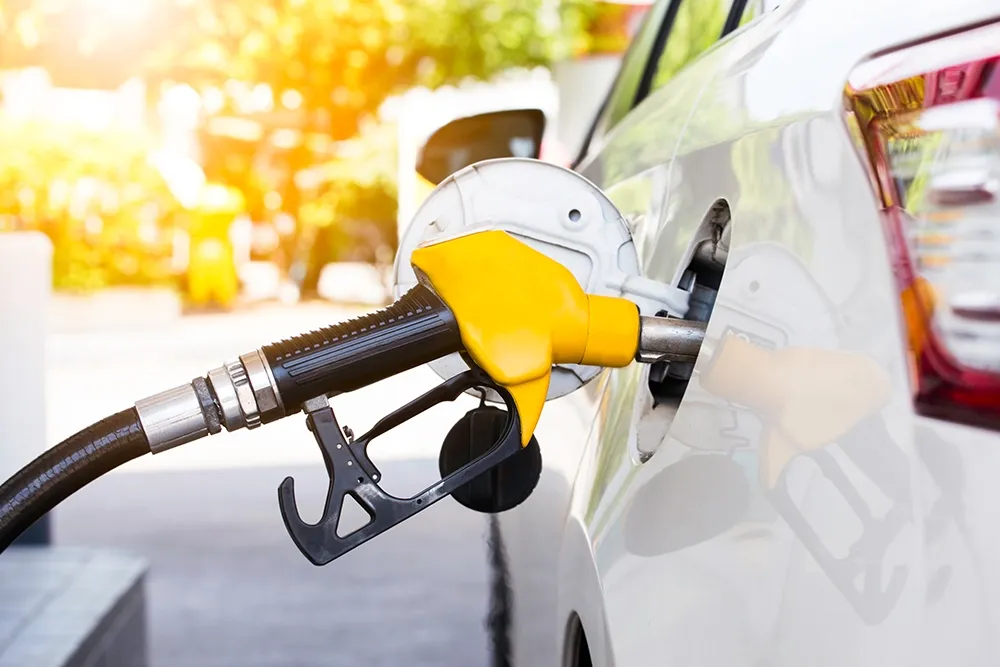
The United Arab Emirates has announced its intention to raise gasoline prices in April 2026, with expected increases ranging from 30% to 70%. This step comes as part of the government's efforts to tackle increasing economic challenges that have impacted various sectors.
This increase is part of a broader strategy aimed at achieving financial sustainability and enhancing the national economy. It is anticipated that this rise will significantly affect the cost of living, raising concerns among both citizens and residents.
Details of the Announcement
The increase in gasoline prices comes at a time when the world is experiencing a surge in energy prices, placing additional pressure on governments. The UAE's Ministry of Energy has confirmed that this move aims to balance supply and demand in the market.
Reports also indicate that this increase may be a result of rising global oil prices, which affect production and transportation costs. It is expected that the new prices will be announced shortly before their implementation, providing consumers with adequate time to adjust to the changes.
Background & Context
Historically, the UAE has relied on subsidized gasoline prices, making it one of the countries with the lowest fuel prices in the world. However, global economic changes, including fluctuations in oil prices, have compelled the government to reassess its policies.
In recent years, the UAE has undertaken economic reforms aimed at reducing dependence on oil and diversifying the economy. These reforms include increasing fuel prices, reflecting a shift towards achieving financial sustainability.
Impact & Consequences
The increase in gasoline prices is expected to have direct effects on transportation and goods costs, potentially leading to higher prices for food and essential items. This situation may increase pressure on households, especially given the current economic conditions.
This increase could also impact the tourism sector, as the UAE is a major tourist destination in the region. Tourists may feel the effects of rising transportation costs, which could influence their travel decisions to the country.
Regional Significance
The UAE is one of the largest economies in the region, and thus any changes in its economic policies could affect neighboring countries. Other nations in the region may view this step as a sign of the need for similar reforms in their economic policies.
Moreover, this increase may place additional pressure on other Arab governments facing similar economic challenges, potentially prompting them to take similar steps in the future.
In conclusion, the increase in gasoline prices in the UAE represents a significant step in the context of global economic challenges. The government and citizens must prepare for the upcoming changes, which may affect their daily lives.