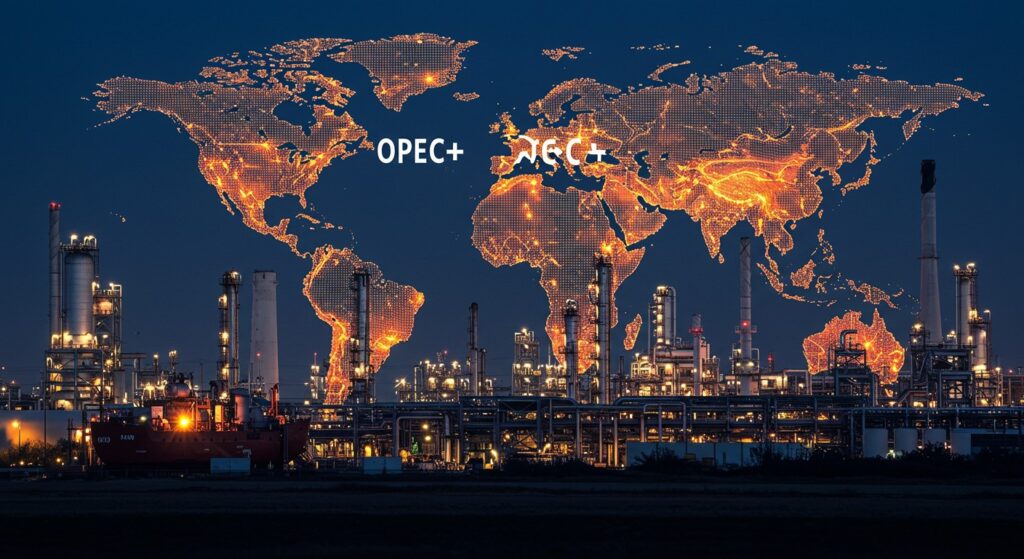
The UAE has stated that its withdrawal from OPEC and the OPEC+ alliance will not have a major impact on global oil markets. This was confirmed in an official statement from the UAE Ministry of Energy, which emphasized that the country will continue to work towards achieving its strategic goals in the energy sector.
The UAE is considered one of the largest oil producers in the world and has played a significant role in stabilizing oil prices over the past years. However, the decision to withdraw comes amid strategic changes aimed at enhancing the UAE's independence in managing its oil resources.
Details of the Event
In an official statement, the UAE Ministry of Energy clarified that the withdrawal from OPEC and OPEC+ is part of a long-term plan aimed at boosting local production and meeting the increasing demand for energy. The ministry confirmed that the UAE will remain committed to enhancing its investments in the renewable energy sector.
The ministry also indicated that the UAE will work on increasing its oil production capacity, which will enable it to meet market needs more effectively. This decision comes at a time when the world is witnessing significant transformations in the energy market, including a shift towards renewable energy sources.
Background & Context
OPEC was established in 1960 with the goal of coordinating oil production policies among member countries. The organization has undergone significant changes over the years, including the formation of the OPEC+ alliance, which includes countries outside the organization. However, the challenges facing the oil industry, including price volatility and pressure to transition to clean energy, have prompted some countries to reassess their roles in these organizations.
The UAE, which is considered one of the largest oil-producing countries in the world, has taken strategic steps to enhance its independence in the energy sector. The country has shown a trend towards investing in renewable energy, reflecting its commitment to sustainable development.
Impact & Consequences
The UAE's withdrawal from OPEC and OPEC+ may have multiple effects on oil markets. On one hand, this could lead to an increase in UAE production, which may contribute to price stabilization in the short term. On the other hand, this decision may raise questions about the future of cooperation among oil-producing countries.
This decision may also reflect a shift in the oil strategies of member countries, as each nation seeks to achieve its national interests. Some analysts suggest that this could lead to increased competition among oil-producing countries, which may impact market stability.
Regional Significance
The UAE's decision to withdraw from OPEC and OPEC+ marks a significant milestone in the history of the oil industry in the region. The UAE is seen as a model in energy strategies, and its decision may influence other countries in the region that heavily rely on oil revenues.
This decision may also open the door for other countries to reassess their roles in oil organizations, potentially altering regional market dynamics. Amid global energy challenges, Arab countries may seek to enhance their cooperation in renewable energy sectors.
In conclusion, amid ongoing changes in the energy market, it appears that the UAE is striving to enhance its independence in managing its oil resources. However, the question remains about how this decision will affect global oil markets and cooperation among oil-producing countries.