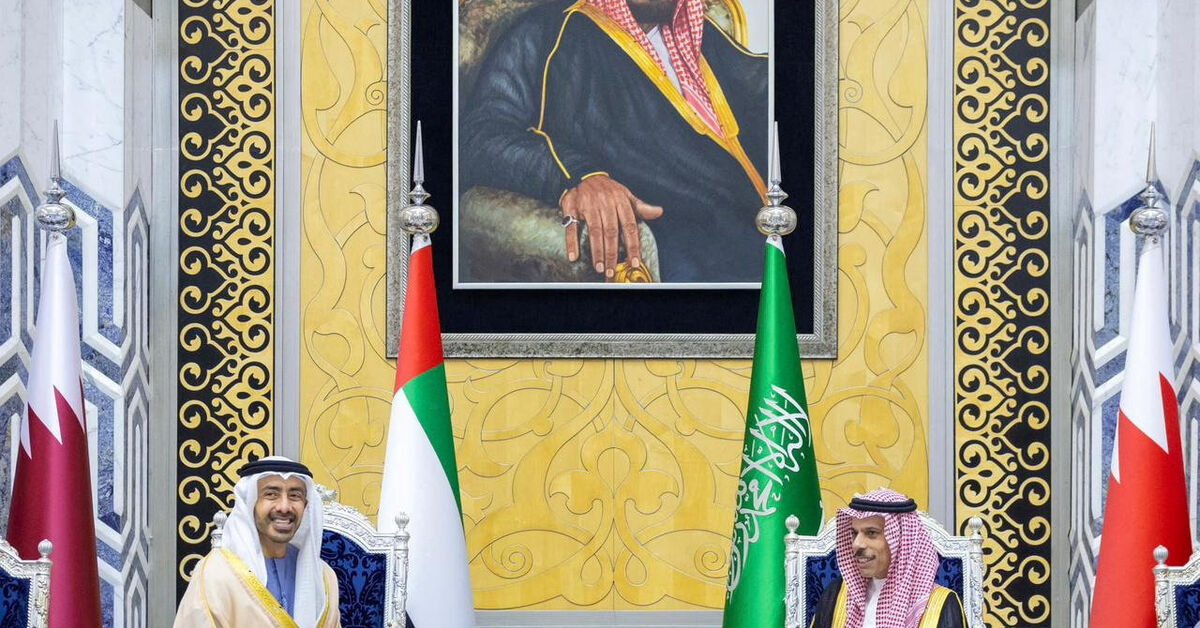
The United Arab Emirates announced on Tuesday its withdrawal from OPEC and OPEC+, which is considered a strong blow to the global oil producers' group, especially to Saudi Arabia, which is viewed as the de facto leader of this coalition. This decision comes at a sensitive time, as global markets are experiencing a historic energy shock due to the ongoing conflict in Iran and its impacts on the global economy.
The UAE's withdrawal, a country that has been a long-term member of OPEC, is an unexpected move that could lead to chaos within the group, which has always sought to present a united front despite internal disagreements over various issues, including geopolitical tensions and production quotas.
Details of the Event
This step comes at a time when energy markets are suffering from sharp fluctuations, with the war in Iran causing oil prices to surge and creating instability. Many analysts have pointed out that the UAE's withdrawal could weaken OPEC's ability to control prices, potentially exacerbating economic crises in many oil-consuming countries.
It is noteworthy that the UAE has been considered one of the most committed countries to OPEC's policies, always striving to achieve a balance between production and prices. However, it seems that geopolitical tensions and economic pressures have driven it to make this drastic decision.
Background & Context
OPEC was founded in 1960 with the aim of unifying oil production policies among member countries, and the UAE is one of the founding members. Over the years, OPEC has played a vital role in stabilizing global oil markets, but modern challenges such as climate change and the transition to renewable energy sources have affected its role.
In recent years, OPEC has witnessed internal divisions over production quotas, with some countries seeking to increase their output amid rising global demand. With the UAE's withdrawal, there are fears that these divisions may increase, potentially leading to the disintegration of the group.
Impact & Consequences
This withdrawal is likely to have significant effects on global oil prices. The UAE is considered one of the largest oil producers in the world, and its absence from OPEC could lead to increased market volatility. Additionally, this decision may encourage other countries to take similar steps, further increasing market instability.
Moreover, the UAE's withdrawal could strengthen the position of non-OPEC countries, such as the United States, which is seeking to increase its shale oil production. This could contribute to a radical shift in global energy dynamics.
Regional Significance
The UAE's exit from OPEC is a move that could affect relations among Arab oil-producing countries. Saudi Arabia, regarded as the traditional leader of OPEC, may find itself in a difficult position facing new challenges in the market. This decision could also impact the stability of Arab economies that heavily rely on oil revenues.
In conclusion, the UAE's withdrawal from OPEC underscores the urgent need to rethink production strategies and cooperation among oil-producing countries. Given the increasing challenges, it may be necessary for these countries to adopt new policies to ensure the stability of global oil markets.