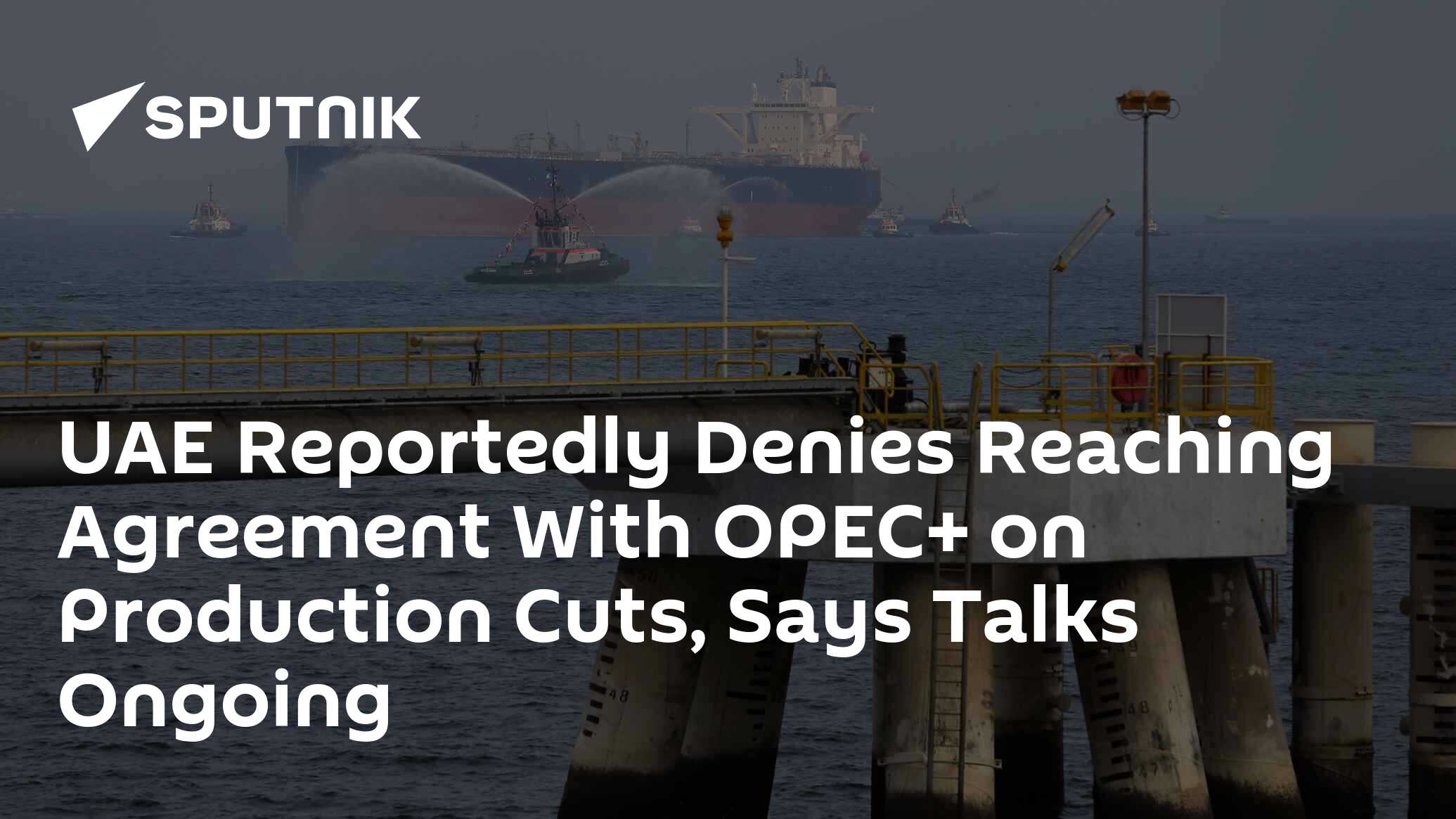
The United Arab Emirates has officially declared its withdrawal from the Organization of the Petroleum Exporting Countries (OPEC), a move the government sees as driven by economic policies intended to bolster the nation's independence in managing its oil resources. This decision arrives during a period marked by sharp fluctuations in the oil market due to global geopolitical and economic changes.
The UAE's Minister of Energy stated that this decision reflects the strategic direction of the UAE towards enhancing local production and meeting global market needs with greater flexibility. He emphasized that the UAE aims to achieve a balance between its national interests and market requirements.
Details of the Withdrawal
The withdrawal from OPEC follows years of close cooperation with member countries, where the UAE was one of the largest producers within the organization. However, changes in global oil policies, including increased production from other countries, have prompted the UAE to reassess its position.
This step is part of the UAE's strategy to diversify its economy away from oil dependence, as the government seeks to broaden its income sources and boost investments in other fields such as renewable energy and technology.
Background & Context
OPEC was established in 1960 with the aim of coordinating oil policies among member states to ensure market stability. However, recent years have witnessed significant challenges, including increasing competition from alternative energy sources and shifts in global oil demand.
The UAE, being one of the world's largest oil producers, has always been a key player in OPEC, contributing to the determination of global oil prices. Yet, with rising economic pressures, it has become essential for the state to take bold steps to ensure the sustainability of its economy.
Impact & Consequences
The withdrawal from OPEC could lead to significant changes in the dynamics of the oil market. It is likely to result in increased UAE production, which may affect global oil prices. Additionally, this decision could encourage other countries to reevaluate their relationships with OPEC.
Furthermore, this decision may open avenues for the UAE to strengthen its partnerships with other countries in the energy sector, potentially contributing to its long-term economic goals.
Regional Significance
The UAE's exit from OPEC could impact relationships among member states, potentially leading to new tensions in the oil market. This decision may also raise questions about the future of OPEC as an organization, especially amid the increasing challenges it faces.
Ultimately, the UAE's withdrawal from OPEC represents a strategic move aimed at enhancing its economic independence, paving the way for new opportunities for cooperation in energy and economic sectors.