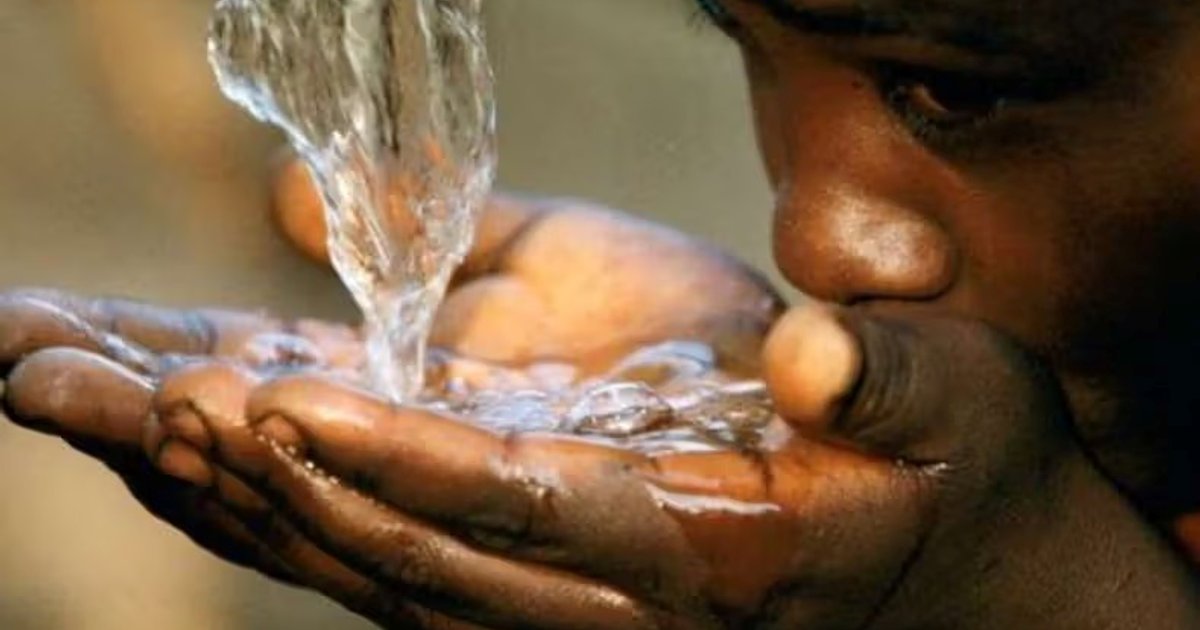
Uganda has launched a significant campaign worth $1.8 billion to tackle the water scarcity crisis and the decline of sanitation services, aiming to boost growth in one of the fastest-growing economies in East Africa.
The National Water and Sewerage Corporation (NWSC) revealed a strategic plan extending until 2030, valued at 6.79 trillion Ugandan shillings, as part of the government's efforts to expand access to clean water and modern sanitation systems for millions of citizens.
Event Details
The platform “Business Africa” reported that this investment reflects a worsening crisis across Africa, where climate change, rapid urban expansion, and aging infrastructure are putting immense pressure on water systems. Governments on the continent are prioritizing water security as an economic and public health imperative.
The Ugandan Water and Sanitation Facility announced that the five-year program will be funded through internal resources, government support, and development partners. It is expected that the number of beneficiaries of water services will increase from 19.5 million to 26.2 million by 2030, with the number of water connections rising to nearly 1.3 million connections.
Background & Context
The strategy also targets reducing non-revenue water loss, caused by leaks, illegal connections, and aging infrastructure, from 34% to 28%. Reducing this loss is crucial for water companies in Africa, many of which are financially distressed due to not generating income from large volumes of treated water.
Challenges are particularly evident in the Ugandan capital, Kampala, where only about 10% of the population is connected to the public sewer system, despite population growth and urban expansion. Waste treatment systems remain inadequate in many densely populated communities, exacerbating health burdens.
Impact & Consequences
Authorities estimate that households spend the equivalent of approximately $5 million annually on treating diarrhea-related diseases linked to poor sanitation services. In light of the action plan and investment in water security for the Greater Kampala area, estimated at $4.3 billion, long-term investments in water infrastructure and sewer networks are expected to be directed.
Uganda faces significant challenges due to recurring droughts and floods, as well as irregular rainfall patterns, affecting water supply systems, agriculture, and hydropower generation. The National Water and Sewerage Authority emphasizes that its new strategy includes measures to enhance climate change adaptation and environmental protection.
Regional Significance
The water crisis in Uganda serves as an example of the challenges faced by many countries in the Arab region, where pressures on water resources are increasing due to climate change and population growth. Investing in water infrastructure is vital to ensure future water and health security.
In conclusion, Uganda's plan represents a positive step towards addressing the water crisis and highlights the importance of regional and international cooperation in tackling environmental challenges.