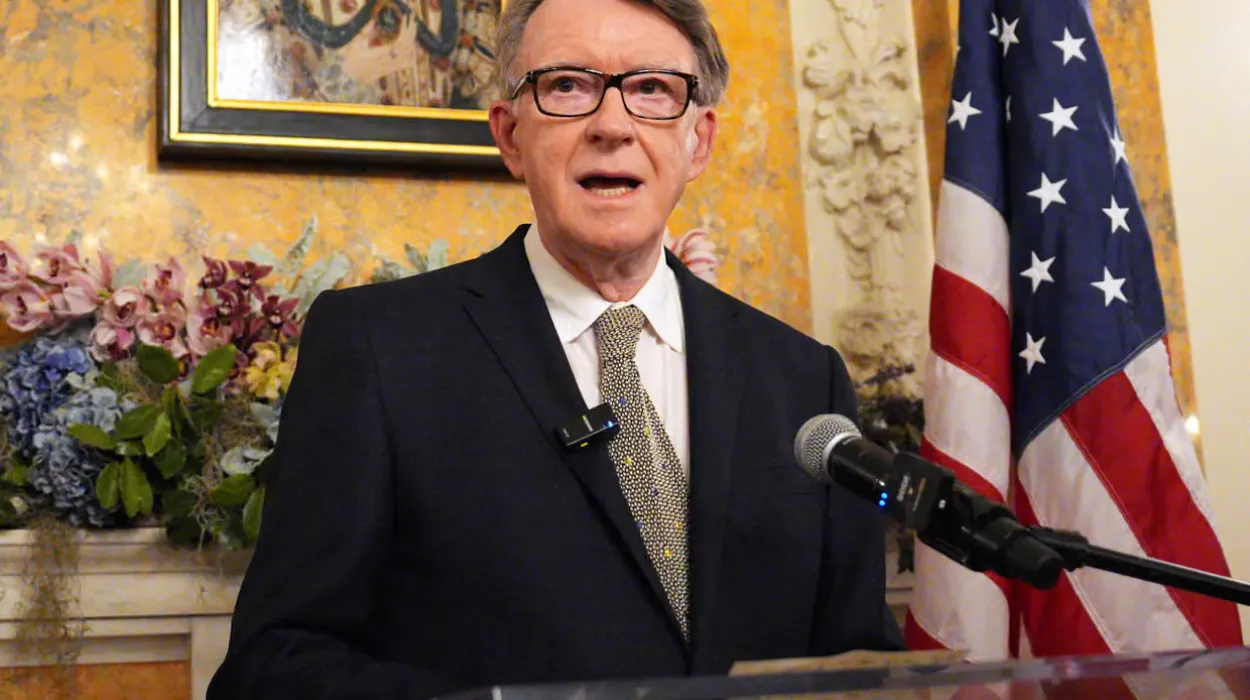
The British House of Commons voted on Tuesday against a proposal to open a parliamentary investigation into allegations that Prime Minister Keir Starmer misled MPs regarding the appointment process of Lord Mandelson as the US ambassador. The opposition-led proposal garnered 223 votes in favor versus 335 against, indicating that Starmer will not face an official inquiry.
This vote followed a campaign by the government to secure support from Labour MPs, as some members believed Starmer should have referred himself to the privileges committee. However, the majority voted against the proposal, reflecting a division within the party on how to handle this issue.
Details of the Event
The controversy surrounding Mandelson's appointment began when Starmer was accused of misleading MPs about whether the background check process was conducted according to proper procedures. Starmer denied these allegations, asserting that officials at the Foreign Office were not pressured.
The proposal, led by Kit Malthouse, the leader of the Conservative Party, aimed to evaluate Starmer's statements by a multi-party committee that reviews instances of MPs violating parliamentary rules. According to the Ministerial Code, ministers who deliberately mislead Parliament are expected to resign.
Background & Context
Historically, the British Parliament has witnessed numerous instances where ministers were accused of misleading MPs. In 2023, the privileges committee ruled that former Prime Minister Boris Johnson misled MPs regarding parties held at Downing Street during the COVID-19 pandemic. This precedent may influence how Parliament addresses current issues.
The appointment of Mandelson as the US ambassador has sparked significant controversy due to his previous associations with controversial figures, including his relationship with Jeffrey Epstein. Questions have been raised about how he obtained a security clearance despite concerns expressed by relevant authorities.
Impact & Consequences
This controversy may affect the current government's image, as it reveals an internal division within the Labour Party on how to address sensitive issues. Some Labour MPs have expressed concern that the lack of an investigation could portray the government as attempting to cover up matters.
At the same time, there are those who defend the government's position, arguing that the call for an investigation was premature, especially since Mandelson's vetting process was under review in Parliament. This division could lead to political repercussions in the upcoming local elections.
Regional Significance
Although this event appears confined to British politics, its impact may extend to international relations, including ties with Arab nations. Appointing ambassadors in the US can influence foreign policies, particularly on issues like human rights and trade relations.
Ultimately, this controversy remains a marker of the challenges faced by the British government in maintaining public trust, which could affect its standing on the international stage.