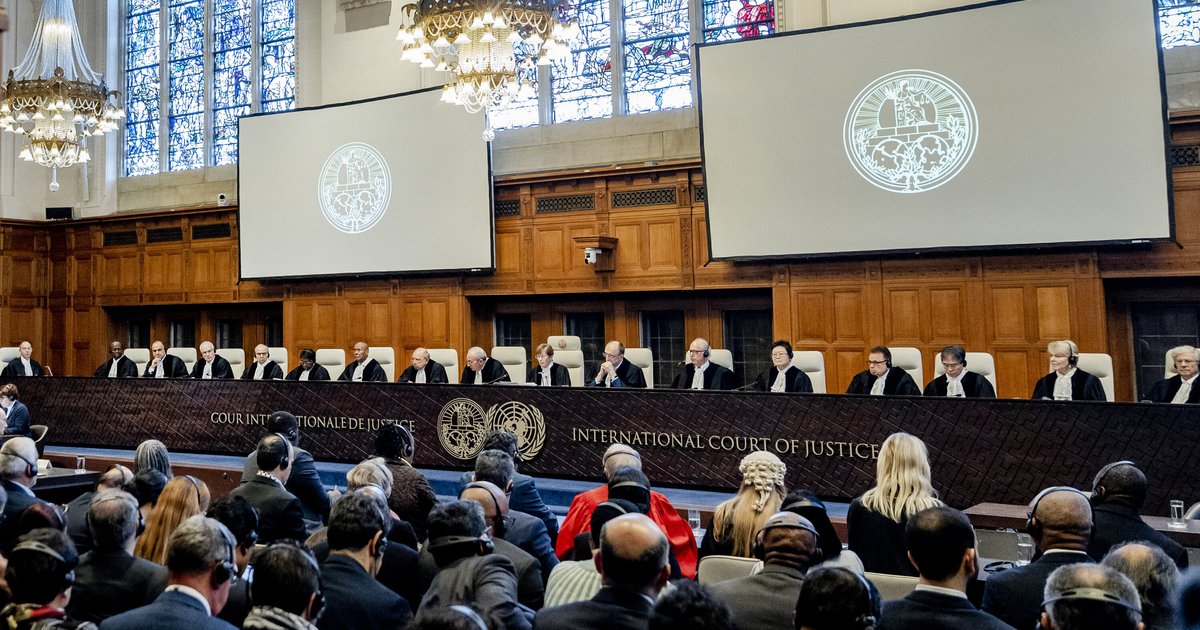
The United Nations has reported that the Israeli law allowing the death penalty for Palestinians is considered one of the 'war crimes'. This statement comes amid rising tensions in the occupied Palestinian territories, where human rights violations have noticeably increased.
The law, which was passed earlier this year, aims to enhance security measures against what Israel terms 'terrorism', yet many international and local human rights organizations have deemed this law a blatant violation of international laws and human rights.
Details of the Event
On October 22, 2023, the United Nations issued an official statement confirming that the Israeli death penalty law contradicts international human rights standards. This statement followed a series of reports documenting the rise in field executions against Palestinians, provoking angry reactions from the international community.
Through this law, Israel seeks to deter armed operations targeting its soldiers and citizens; however, critics argue that this measure will exacerbate the security situation and increase violence in the region.
Background & Context
Historically, Israel has taken similar measures in the past, but this time it comes in the context of escalating Palestinian-Israeli conflict. Since the beginning of the year, the Palestinian territories have witnessed a wave of protests and confrontations, prompting the Israeli government to adopt stricter measures.
The new law reflects the current Israeli government's policy, which adopts a more stringent approach towards Palestinians, complicating the humanitarian situation in the region. Many countries have expressed their concern over this trend, warning of the dire consequences that may ensue.
Impact & Consequences
The potential repercussions of this law could be far-reaching, as it may lead to an escalation of violence in the occupied territories and increased tensions between Palestinians and Israelis. Additionally, this law could contribute to the erosion of trust between the involved parties and complicate peace efforts in the region.
Furthermore, this law may increase international pressure on Israel, as calls for accountability regarding human rights violations are expected to rise. Human rights organizations will continue to monitor the situation and document violations, potentially placing the Israeli government in a difficult position on the international stage.
Regional Significance
This law does not only affect Palestinians but has broader implications for the Arab region. It may lead to increased resentment among Arab countries towards Israeli policies, strengthening the position of anti-occupation groups.
The deteriorating situation in the Palestinian territories may also affect relations between Arab countries and Israel, especially amid normalization attempts by some nations. This law could obstruct these efforts and bring the Palestinian issue back to the forefront of Arab and international attention.
In conclusion, the question remains as to how the international community will respond to this law and whether tangible steps will be taken to hold Israel accountable for its violations. The situation in the Palestinian territories requires urgent action from all concerned parties to ensure the protection of human rights and achieve lasting peace.